
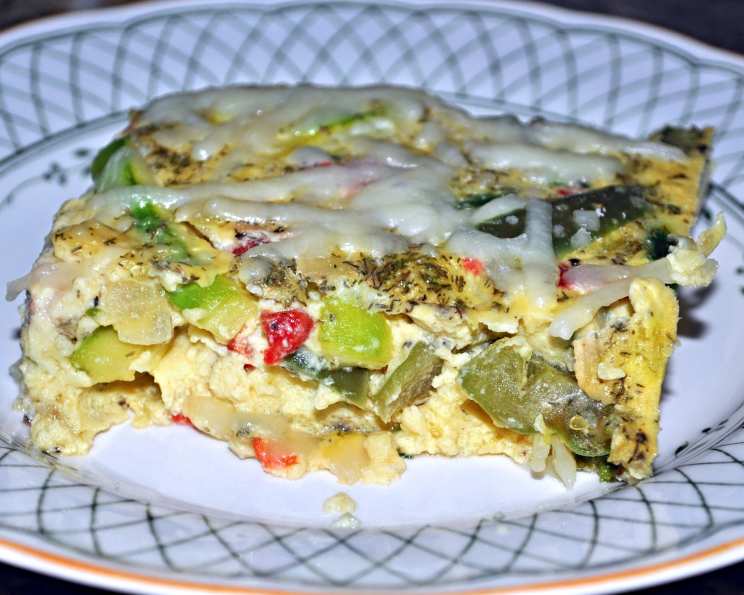
Spring Vegetable Frittata: A Light and Flavorful Delight
My grandmother, a woman whose garden was as vibrant as her spirit, always said that spring was a time for renewal, both in nature and on our plates. I remember helping her harvest the first asparagus spears of the season, their delicate tips promising the delicious meals to come. This Spring Vegetable Frittata, bursting with the freshness of asparagus, bell peppers, and zucchini, is a tribute to those spring days and the simple joy of cooking with seasonal produce. It’s light, healthy, and incredibly satisfying – a perfect way to celebrate the flavors of the season.
Recipe Overview
- Prep Time: 20 minutes
- Cook Time: 35 minutes
- Total Time: 55 minutes
- Servings: 8
- Yield: 1 Frittata
- Dietary Type: Low Fat
Ingredients
- 12 ounces asparagus, trimmed and cut into 1-inch pieces (thin asparagus works beautifully)
- 1 bell pepper, cut into strips (any color, based on preference)
- 1/2 zucchini, halved lengthwise and sliced
- 1/2 onion, chopped
- 1/4 cup roasted red pepper, drained and chopped (jarred is perfectly fine)
- 1/3 cup reduced-fat mozzarella cheese, shredded, divided
- 2 cups egg substitute (such as Egg Beaters)
- 1/2 cup nonfat milk
- 1 teaspoon dried dill
- 3/4 teaspoon salt
- 1 teaspoon pepper
- 2 tablespoons flour
- 3 tablespoons Parmesan cheese, shredded
Equipment Needed
- 2-quart baking pan (approximately 13×10 inches)
- Large saucepan
- Whisk
- Measuring cups and spoons
- Colander or strainer
- Vegetable peeler (optional, for asparagus if desired)
Instructions
-
Preheat your oven to 350 degrees F (175 degrees C). This ensures even cooking and a beautifully puffed frittata.
-
Prepare your baking pan. Lightly spray a 2-quart baking pan (approximately 13×10 inches) with non-stick cooking spray (like Pam). This will prevent the frittata from sticking and make it easy to serve.
-
Prepare the vegetables. In a large saucepan, bring about 1 inch of water to a boil over high heat. Add the asparagus and onion to the boiling water.
-
Simmer the vegetables. Cover the saucepan and reduce the heat to simmer. Cook the vegetables until they are tender-crisp, which should take about 5-7 minutes. Don’t overcook them, as they will continue to cook in the oven.
-
Drain and combine. Drain the vegetables thoroughly in a colander or strainer to remove excess water. Return the drained vegetables to the saucepan and stir in the roasted red peppers.
-
Arrange the vegetables. Spread the vegetable mixture evenly in the prepared baking pan.
-
Add the first layer of cheese. Sprinkle half of the shredded reduced-fat mozzarella cheese evenly over the vegetable mixture. This cheese layer will add a creamy, melty texture to the center of the frittata.
-
Prepare the egg mixture. In a mixing bowl, whisk together the egg substitute, nonfat milk, dried dill, salt, and pepper. Whisk until well combined and frothy.
-
Add the flour. Gradually whisk in the flour until the mixture is smooth and free of lumps. The flour helps to bind the egg mixture and give the frittata a firmer texture.
-
Pour the egg mixture. Gently pour the egg mixture evenly over the vegetables and cheese in the baking pan. Ensure the vegetables are submerged in the liquid.
-
Bake the frittata. Bake in the preheated oven for 35 minutes, or until the frittata is puffed and set. The top should be lightly golden brown. A knife inserted into the center should come out clean.
-
Add the remaining cheese. Remove the frittata from the oven and sprinkle the remaining shredded reduced-fat mozzarella cheese and shredded Parmesan cheese evenly over the top.
-
Let it stand. Let the frittata stand for 10 minutes before serving. This allows the frittata to set completely and makes it easier to cut and serve. The residual heat will also melt the cheese beautifully.
Expert Tips & Tricks
- Vegetable Variation: Feel free to substitute other spring vegetables, such as chopped spinach, peas, or fava beans. Just adjust the cooking time accordingly.
- Cheese Alternatives: For a stronger flavor, try using a combination of mozzarella and sharp cheddar cheese. Feta cheese also adds a nice tang.
- Herb Enhancement: Fresh herbs, such as parsley, chives, or basil, can be added to the egg mixture for extra flavor.
- Make-Ahead Tip: The vegetable mixture can be prepared ahead of time and stored in the refrigerator until ready to use. This will save you time on busy mornings.
- Even Cooking: Ensure the oven is preheated properly for even cooking. If the top is browning too quickly, cover the frittata loosely with foil.
Serving & Storage Suggestions
This Spring Vegetable Frittata is delicious served warm or at room temperature. It makes a great breakfast, brunch, lunch, or light dinner. Serve it with a side salad or a slice of whole-wheat toast.
- Leftovers: Store leftover frittata in an airtight container in the refrigerator for up to 3 days.
- Reheating: Reheat individual slices in the microwave or in a preheated oven at 350 degrees F (175 degrees C) until warmed through.
- Freezing: For longer storage, the frittata can be frozen. Cut it into individual portions, wrap them tightly in plastic wrap, and then place them in a freezer bag. Freeze for up to 2 months. Thaw in the refrigerator overnight before reheating.
Nutritional Information
| Nutrient | Amount per Serving | % Daily Value |
|---|---|---|
| Calories | 68.3 kcal | N/A |
| Calories from Fat | 6 g | N/A |
| Total Fat | 0.8 g | 1% |
| Saturated Fat | 0.4 g | 1% |
| Cholesterol | 2 mg | 0% |
| Sodium | 440.5 mg | 18% |
| Total Carbohydrate | 7.4 g | 2% |
| Dietary Fiber | 1.5 g | 6% |
| Sugars | 3.5 g | N/A |
| Protein | 8.9 g | 17% |
Note: Nutritional information is an estimate and may vary based on specific ingredients and portion sizes.
Variations & Substitutions
- Dairy-Free: Omit the mozzarella and Parmesan cheese or substitute with a plant-based cheese alternative.
- Gluten-Free: This recipe is naturally gluten-free. Just ensure that your flour is gluten-free.
- Meat Lovers: Add cooked and crumbled bacon, sausage, or ham to the vegetable mixture for a heartier frittata.
- Spicy Kick: Add a pinch of red pepper flakes or a dash of hot sauce to the egg mixture for a spicy twist.
- Seasonal Variations: Adapt the vegetables to the season. Use summer squash, tomatoes, and basil in the summer or butternut squash, kale, and sage in the fall.
FAQs (Frequently Asked Questions)
Q: Can I use regular eggs instead of egg substitute?
A: Yes, you can use approximately 8 large eggs in place of the egg substitute. Keep in mind that this will increase the fat and cholesterol content of the frittata.
Q: Can I add cheese other than mozzarella and Parmesan?
A: Absolutely! Feel free to experiment with other cheeses, such as cheddar, feta, or Gruyere, to add different flavors and textures.
Q: How do I prevent the frittata from sticking to the pan?
A: Make sure to spray the baking pan thoroughly with non-stick cooking spray. You can also line the pan with parchment paper for extra insurance.
Q: Can I make this frittata ahead of time?
A: Yes, you can prepare the frittata ahead of time and store it in the refrigerator for up to 3 days. Reheat before serving.
Q: How do I know when the frittata is done?
A: The frittata is done when it is puffed and set, and a knife inserted into the center comes out clean. The top should be lightly golden brown.
Final Thoughts
This Spring Vegetable Frittata is a celebration of fresh, seasonal flavors and healthy eating. It’s a versatile dish that can be adapted to suit your taste and dietary needs. I encourage you to try this recipe and share your own variations and feedback. Pair it with a refreshing glass of iced tea or a light white wine for a complete and satisfying meal. Enjoy the taste of spring!