
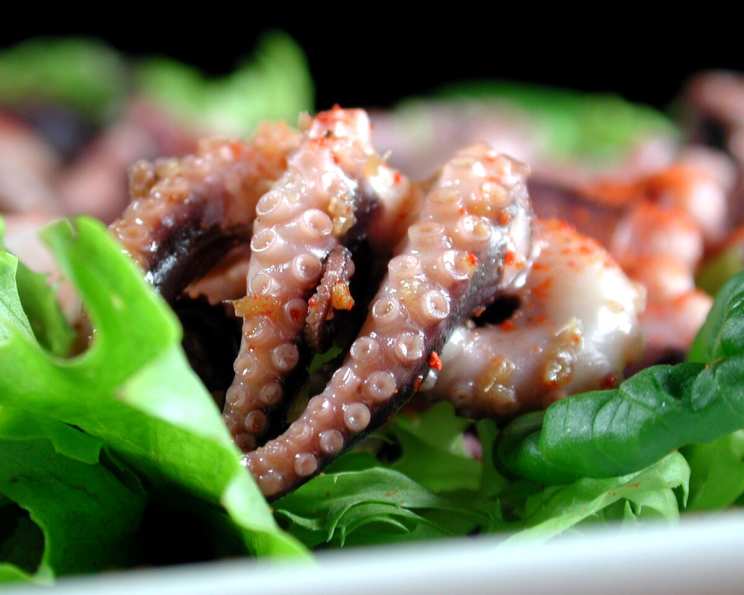
Japanese Squid Salad: A Taste of the Sea
The scent of the sea always brings me back to my childhood summers spent on the coast of Japan. I can almost feel the warm sand between my toes as I recall watching the fishermen haul in their daily catch. Among the shimmering silver fish, there were always the curious forms of squid and octopus. While my brothers might have wrinkled their noses, I was always fascinated, knowing that a simple, flavorful salad was in our future. This Japanese Squid Salad, or ika sarada, evokes those memories with every bite, offering a perfect balance of fresh seafood, crisp greens, and a zesty ginger-soy dressing.
Recipe Overview
- Prep Time: 15 minutes
- Cook Time: 5 minutes
- Total Time: 20 minutes
- Servings: 4
- Dietary Type: Pescatarian
Ingredients
Salad:
- Mixed salad greens, to taste
- 700g squid or 700g baby octopus, fresh
- Salt, to taste
- Pepper, to taste
- 2 tablespoons olive oil
- 1 garlic clove, crushed
- 1 pinch chili powder (shichimi togarashi), to taste
Dressing:
- 3 tablespoons low sodium soy sauce
- 1 tablespoon freshly grated gingerroot
- ½ teaspoon caster sugar (to taste, you could add more or less)
Equipment Needed
- Large bowl for salad
- Frying pan
- Cutting board
- Knife
- Grater or microplane
Instructions
-
Begin by preparing your salad greens. Wash them thoroughly, pat them dry with a clean towel or salad spinner, and cut them into bite-size pieces. Arrange the salad leaves attractively in your serving dish and set aside. This provides a beautiful and refreshing base for the warm squid.
-
Prepare the squid (or octopus): If using whole squid, clean it thoroughly. Remove the guts (discard), and separate the legs from the body. Rinse everything well under cold running water. If using pre-cleaned squid, simply rinse it off.
-
Next, cut the squid body and legs into pieces approximately 1.5 cm (about ½ inch) thick. Season the squid generously with salt and pepper. This is important for enhancing the natural flavors of the seafood.
-
Heat the olive oil in a frying pan over medium heat. Add the crushed garlic and fry it gently until you can distinctly smell its aroma, being careful not to burn the garlic. Burnt garlic will impart a bitter taste to the salad.
-
Add the seasoned squid (or octopus) to the pan with the garlic. Cook until the squid is cooked through. You’ll notice the squid’s color will change from translucent to opaque, and it will firm up.
- Important Note: Be extremely careful not to overcook the squid, as it will become tough and rubbery. This can happen very quickly, so watch it closely. Remove from heat immediately once cooked.
-
Remove the cooked squid from the pan and carefully arrange it on top of the prepared salad leaves in the serving dish.
-
Return the frying pan to the heat, without cleaning it. Add the low sodium soy sauce, freshly grated gingerroot, and caster sugar. Mix well, scraping up any remaining cooking juices from the squid that are stuck to the pan. This will create a flavorful and umami-rich dressing.
-
Continue cooking the dressing over low heat, stirring constantly, until the sugar is completely dissolved. This ensures a smooth and well-blended sauce. Taste the dressing and adjust the sugar if necessary, depending on your preference. Some may prefer a slightly sweeter dressing.
-
Pour the warm dressing evenly over the squid and salad leaves.
-
Finally, sprinkle a pinch of chili powder (shichimi togarashi) over the salad for a touch of heat. If you don’t have shichimi togarashi, you can substitute with a pinch of red pepper flakes.
-
If there is a lot of dressing you could serve it separately and dinners could help themselves if they wish for more dressing.
-
Serve immediately and enjoy!
Expert Tips & Tricks
- Don’t Overcrowd the Pan: When cooking the squid, avoid overcrowding the pan. Cook it in batches if necessary, to ensure it cooks evenly and doesn’t steam.
- Ginger Power: Use freshly grated ginger for the best flavor. Jarred ginger paste can be used in a pinch, but the flavor won’t be as vibrant.
- Acidic Balance: If the dressing tastes too salty, add a squeeze of lemon or lime juice to balance the flavors.
- Make Ahead (Partial): You can prepare the salad greens and the dressing ahead of time. Just keep them separate and combine everything right before serving.
- Squid Selection: Look for squid that is firm, white, and smells fresh. Avoid squid that is slimy or has a strong, fishy odor.
Serving & Storage Suggestions
Serve this Japanese Squid Salad immediately after preparing it. The warmth of the squid and dressing wilts the salad greens slightly, creating a wonderful textural contrast.
If you have leftovers, store them in an airtight container in the refrigerator. Consume within 1-2 days. The salad may become slightly soggy as it sits, so it’s best enjoyed fresh. Reheating is not recommended, as it can make the squid tough.
Nutritional Information
| Nutrient | Amount per Serving | % Daily Value |
|---|---|---|
| Calories | 236 kcal | 12% |
| Total Fat | 9.4g | 14% |
| Saturated Fat | 1.6g | 8% |
| Cholesterol | 408.5mg | 136% |
| Sodium | 503.2mg | 20% |
| Total Carbohydrate | 8.2g | 2% |
| Dietary Fiber | 0.7g | 2% |
| Sugars | 0.9g | 3% |
| Protein | 28.2g | 56% |
Variations & Substitutions
- Octopus Variation: As the recipe name suggests, you can easily substitute squid with baby octopus. The cooking time will be similar.
- Vegetarian Option: For a vegetarian twist, use grilled tofu or mushrooms instead of squid.
- Spice It Up: Add a finely chopped red chili to the dressing for extra heat.
- Sesame Oil: Substitute a teaspoon of the olive oil with sesame oil for a nutty flavor.
- Citrus Zing: Add a teaspoon of yuzu juice or lemon juice to the dressing for a brighter flavor.
- Add Vegetables: Incorporate thinly sliced cucumber, carrots, or radishes to the salad for added crunch and nutrients.
FAQs (Frequently Asked Questions)
Q: Can I use frozen squid for this recipe?
A: Yes, you can use frozen squid. Just make sure to thaw it completely before cooking, and pat it dry with paper towels to remove excess moisture.
Q: How do I know when the squid is cooked properly?
A: Squid is cooked when it turns opaque and firm. Be careful not to overcook it, as it will become tough and rubbery. It generally only takes 2-3 minutes to cook.
Q: Can I make the dressing ahead of time?
A: Yes, you can make the dressing ahead of time and store it in an airtight container in the refrigerator for up to 3 days.
Q: What if I don’t have shichimi togarashi?
A: If you don’t have shichimi togarashi, you can substitute with a pinch of red pepper flakes or leave it out altogether.
Q: Can I use regular soy sauce instead of low sodium soy sauce?
A: Yes, but you may want to reduce the amount of soy sauce you use, as regular soy sauce is saltier. Taste the dressing and adjust as needed.
Final Thoughts
This Japanese Squid Salad is more than just a recipe; it’s a journey back to my childhood, a celebration of fresh seafood, and a testament to the power of simple, flavorful ingredients. I encourage you to try this recipe and experience the taste of the sea for yourself. Feel free to adjust the ingredients to your liking and don’t be afraid to experiment with different variations. Share your creations and feedback with me; I’d love to hear about your culinary adventures! Consider pairing this salad with a chilled glass of sake or a light and crisp white wine for the ultimate Japanese dining experience. Itadakimasu!