
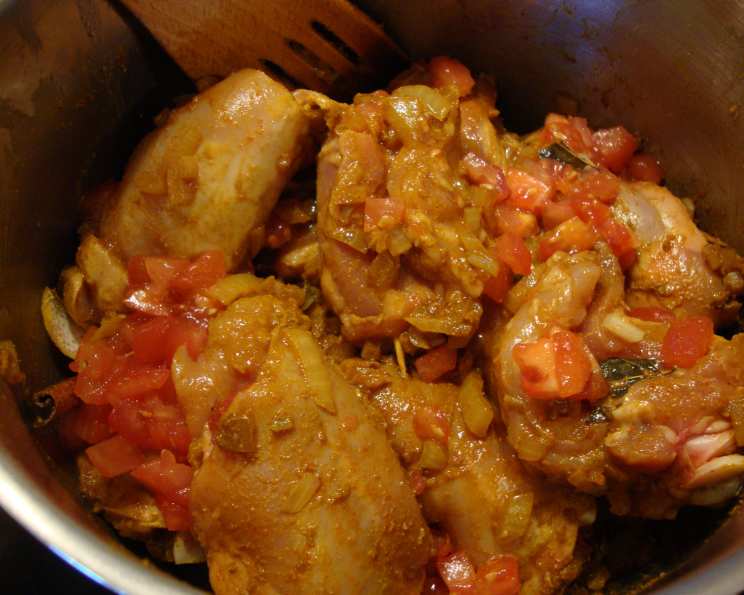
Kukul Mas Curry: A Taste of Sri Lankan Sunshine
The first time I tasted Sri Lankan chicken curry, or Kukul Mas Curry, was at a tiny, family-run restaurant tucked away in a bustling corner of Colombo. The air was thick with the aroma of spices, and the rhythmic clatter of the kitchen created a symphony of culinary promise. As the vibrant orange curry arrived, fragrant steam swirled upwards, carrying whispers of cinnamon, cardamom, and chili. One bite, and I was transported. The tender chicken, infused with a complex tapestry of flavors, was unlike anything I’d ever experienced. It was a revelation, a reminder of the power of food to connect us to places and people. From that moment on, I was determined to recreate that magic in my own kitchen, and after many iterations I think I’ve gotten as close as I possibly can.
Recipe Overview
- Prep Time: 20 minutes
- Cook Time: 50 minutes
- Total Time: 1 hour 10 minutes
- Servings: 2-6
- Yield: Varies, depending on added vegetables
- Dietary Type: Varies (see notes on modifications)
Ingredients
- 2-3 chicken breasts, cut into bite-sized pieces
- 2 tablespoons ghee (or oil)
- 1/4 teaspoon fenugreek seeds
- 10 curry leaves
- 2 large onions, chopped
- 4-5 garlic cloves, chopped
- 2 teaspoons grated fresh ginger
- 1 teaspoon ground turmeric
- 1 teaspoon chili powder
- 1 tablespoon ground coriander
- 1 tablespoon ground cumin
- 1/2 teaspoon ground fennel
- 2 teaspoons paprika
- 2 teaspoons salt
- 2 tablespoons vinegar
- 400g chopped tomatoes (1 tin, but use 2 if adding vegetables)
- 6 cardamom pods, bruised
- 1 cinnamon stick
- 1 stalk lemongrass or 2 slices lemon rind
- 1 cup thick coconut milk
- Optional vegetables: small eggplants, okra, or other vegetables of your choosing.
- Optional lemon juice, to taste
Equipment Needed
- Large pan or Dutch oven
- Chopping board
- Knife
- Grater or microplane
Instructions
- Heat the ghee (or oil) in a large pan over medium heat. Add the fenugreek seeds and curry leaves. Fry until they start to brown and become fragrant. This usually takes just a minute or two; watch closely to prevent burning.
- Add the chopped onions, garlic, and grated ginger to the pan. Fry gently until the onions are quite soft and golden brown. This may take about 5-7 minutes. Stir frequently to ensure even cooking and prevent sticking.
- Add the ground turmeric, chili powder, coriander, cumin, fennel, paprika, salt, and vinegar. Stir well to combine all the spices, creating a fragrant paste.
- Add the chicken pieces to the pan. Stir to coat the chicken thoroughly with the spice mixture. Cook over medium heat, stirring frequently, until the chicken is lightly browned on all sides.
- Add the chopped tomatoes, bruised cardamom pods, cinnamon stick, and lemongrass (or lemon rind) to the pan. If using, add any chopped vegetables at this point.
- Bring the mixture to a simmer, then cover the pan and reduce the heat to low. Cook for 40-50 minutes, or until the chicken is cooked through and the vegetables are tender. Stir occasionally to prevent sticking and ensure even cooking.
- Stir in the coconut milk. Taste the curry and add more salt and a squeeze of lemon juice if required, adjusting the seasoning to your preference.
- Do not cover the pan after adding the coconut milk. Simmer gently for another 5-10 minutes, allowing the flavors to meld together and the sauce to thicken slightly.
- Remove the cinnamon stick, lemongrass stalk (or lemon rind), and cardamom pods before serving.
Expert Tips & Tricks
- Spice Level Adjustment: For a milder curry, reduce the amount of chili powder. For a spicier curry, add a finely chopped green chili along with the onions and garlic.
- Browning is Key: Don’t rush the browning of the onions. This step develops a rich, complex flavor that is essential to the curry.
- Fresh vs. Ground Spices: While ground spices are convenient, using freshly ground spices will elevate the flavor of your curry. If possible, toast whole spices lightly before grinding them for maximum aroma and potency.
- Make-Ahead Tip: The curry can be made a day in advance. The flavors will meld together even more beautifully overnight. Just be sure to store it in an airtight container in the refrigerator.
- Vegetable Variations: Feel free to experiment with different vegetables based on what’s in season or what you have on hand. Green beans, potatoes, and cauliflower all work well.
Serving & Storage Suggestions
Serve the Kukul Mas Curry hot, preferably with steamed rice, such as Sri Lankan Yellow Rice (Kaha Bath). It also pairs well with roti or naan bread for scooping up the flavorful sauce. Garnish with fresh cilantro or a dollop of plain yogurt for added freshness and coolness.
Leftovers can be stored in an airtight container in the refrigerator for up to 3 days. To reheat, gently warm the curry in a saucepan over medium heat, stirring occasionally. You may need to add a splash of water or coconut milk to prevent it from drying out. The curry can also be frozen for up to 2 months. Thaw it completely in the refrigerator before reheating.
Nutritional Information
(Estimated values, may vary based on specific ingredients and serving size)
| Nutrient | Amount per Serving | % Daily Value |
|---|---|---|
| Calories | 450 kcal | 23% |
| Total Fat | 25g | 38% |
| Saturated Fat | 15g | 75% |
| Cholesterol | 100mg | 33% |
| Sodium | 800mg | 33% |
| Total Carbohydrate | 20g | 7% |
| Dietary Fiber | 5g | 20% |
| Sugars | 10g | N/A |
| Protein | 30g | 60% |
Variations & Substitutions
- Vegan Version: Substitute the chicken with chickpeas, tofu, or a combination of vegetables. Use a plant-based oil instead of ghee.
- Gluten-Free: This recipe is naturally gluten-free, as long as you ensure that all your spices are pure and haven’t been cross-contaminated.
- Lower Fat: Use light coconut milk instead of full-fat. You can also reduce the amount of ghee or oil used in the beginning.
- Creamier Curry: Add an extra splash of coconut milk at the end for a richer, creamier texture.
- Spicier Curry: Use a hotter chili powder or add a finely chopped bird’s eye chili to the curry.
FAQs (Frequently Asked Questions)
Q: Can I use chicken thighs instead of chicken breasts?
A: Yes, chicken thighs are a great alternative. They tend to be more flavorful and remain more moist during cooking. You may need to adjust the cooking time slightly.
Q: What if I don’t have curry leaves?
A: Curry leaves add a unique citrusy flavor, but if you can’t find them, you can omit them. The curry will still be delicious.
Q: Can I use coconut cream instead of coconut milk?
A: Coconut cream will make the curry richer and thicker. If you use coconut cream, you may want to add a little water to thin it out slightly.
Q: How do I know when the chicken is cooked through?
A: The chicken is cooked through when it is no longer pink inside and the juices run clear when pierced with a fork. A meat thermometer should register 165°F (74°C).
Q: Can I make this curry in a slow cooker?
A: Yes, you can adapt this recipe for a slow cooker. Brown the onions, garlic, ginger, and spices in a pan first, then transfer everything to the slow cooker. Cook on low for 6-8 hours or on high for 3-4 hours. Add the coconut milk during the last 30 minutes of cooking.
Final Thoughts
Kukul Mas Curry is more than just a recipe; it’s an invitation to explore the vibrant flavors of Sri Lanka. With its aromatic spices and tender chicken, this curry is a comforting and satisfying dish that’s perfect for any occasion. So, gather your ingredients, embrace the process, and prepare to be transported to a tropical paradise with every bite. Don’t be afraid to experiment with the vegetables and spice levels to create a curry that’s perfectly suited to your taste. And please, share your culinary adventures and feedback! I’d love to hear about your own Kukul Mas Curry experiences. Serve this delightful curry with a crisp green salad and a chilled glass of Sauvignon Blanc for a complete and unforgettable meal. Enjoy!