
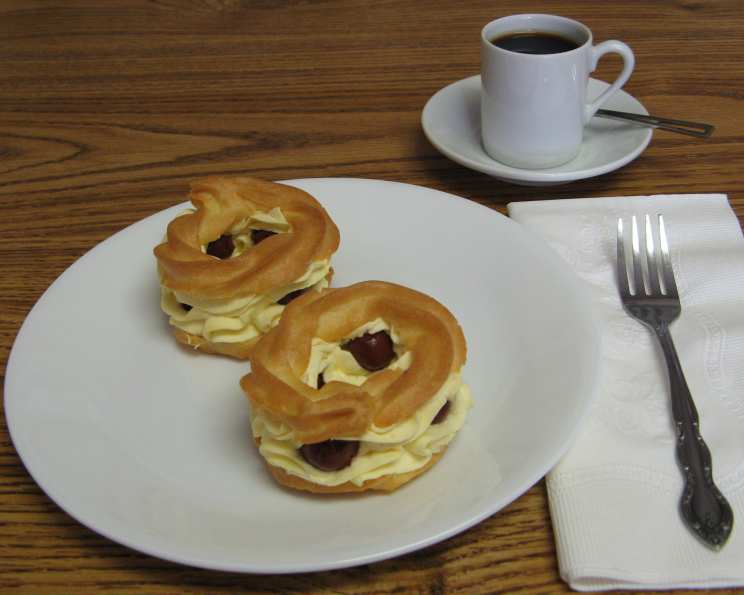
St. Joseph’s Day Cream Puffs: A Taste of Tradition
The first time I tasted a Sfingi di San Giuseppe, I was a wide-eyed child at a bustling Italian street fair. The air was thick with the aroma of frying dough and sweet ricotta. An older woman with flour-dusted hands smiled, handing me one still warm from the fryer. The delicate, slightly crisp shell, the cool, creamy filling, and the burst of cherry – it was a symphony of textures and flavors that etched itself into my memory. Now, years later, the simple act of making these cream puffs transports me back to that joyful day, connecting me to a heritage of family, food, and celebration.
Recipe Overview
- Prep Time: 40 minutes
- Cook Time: 40 minutes
- Total Time: 1 hour 20 minutes
- Yield: 16-20 Sfingi
- Dietary Type: Not specified (Contains dairy and eggs)
Ingredients
For the Dough:
- ½ cup butter
- ⅛ teaspoon salt (a pinch)
- 1 cup water
- 1 cup pastry flour
- 4 eggs
- 1 tablespoon sugar
- ½ teaspoon finely grated fresh lemon zest (optional)
- ½ teaspoon finely grated fresh orange zest (optional)
For the Filling:
- 1 lb impastata ricotta (or regular ricotta cheese, well drained)
- 1 teaspoon almond flavoring (or 1 jigger amaretto)
- 1 teaspoon vanilla
- ½ – 1 cup confectioners’ sugar (10x or powdered sugar)
- 1 (28 ounce) can water-packed, well-drained sour pitted cherries (or well drained, pitted Morello cherries)
Equipment Needed
- Saucepan
- Wooden spoon
- Electric mixer or food processor
- Large sheet pan or jelly roll pan
- Parchment paper
- Pastry bag
- #4 star tip
- Cooling rack
Instructions
-
Prepare the Dough: In a saucepan, combine the butter, salt, and water. Bring this mixture to a boil over medium heat.
-
Add Flour: Once boiling, remove the pan from the heat and immediately add all of the flour at once. Using a wooden spoon, vigorously mix by hand until the dough forms a ball that pulls away from the sides of the pan. It should be a cohesive mass.
-
Cool and Add Eggs: Remove the pan from the heat and let the dough cool slightly for about 5-10 minutes. This is crucial, as adding the eggs while the dough is too hot can cook them.
-
Incorporate Eggs: Add the eggs, one at a time, beating well after each addition. Ensure each egg is fully incorporated before adding the next. The dough will initially look curdled, but keep beating until it becomes smooth and glossy.
-
Flavor the Dough: Add the sugar, lemon zest (if using), and orange zest (if using). Mix thoroughly until everything is evenly distributed and the dough has a slight sheen.
-
Preheat the Oven: Preheat your oven to 400°F (200°C). Line a large sheet pan or jelly roll pan with parchment paper. This will prevent the sfingi from sticking and make cleanup easier.
-
Pipe the Dough: Attach a #4 tip (a large star tip) to a pastry bag. Fill the pastry bag with the dough. Squeezing the dough through the bag, form donut-shaped circles on the parchment paper. Be careful not to move the bag too quickly, or the dough will stretch too thin. The dough circles should be about 1 inch thick. Leave about 2 inches of space between each circle to allow for expansion during baking.
-
Bake the Sfingi: Bake at 400°F (200°C) for about 10 minutes. Then, reduce the heat to 325°F (160°C) and bake for an additional 30 minutes, or until the sfingi are golden brown and puffed up. The initial high heat helps them rise, while the lower temperature ensures they cook through without burning.
-
Cool the Shells: Remove the baked sfingi from the oven. Immediately and carefully cut a small slit horizontally into the side of each puff. This allows steam to escape and prevents them from becoming soggy. Place the sfingi on a wire rack to cool completely.
-
Prepare the Filling: While the sfingi are cooling, prepare the filling. If using regular ricotta, ensure it’s well-drained. The best way to do this is to place it in a cheesecloth-lined sieve and let it drain in the refrigerator overnight.
-
Cream the Ricotta: In a large bowl, cream the drained ricotta until very smooth. An electric mixer or food processor works best for this, but you can also do it by hand.
-
Add Flavorings: Add the almond flavoring (or amaretto) and vanilla to the ricotta. Stir to blend well.
-
Sweeten the Filling: Gradually add the confectioners’ sugar, mixing well after each addition. The filling should be thick and stiff enough to hold its shape. If it’s too loose, add more sugar, a tablespoon at a time, until you reach the desired consistency.
-
Assemble the Sfingi: Once the sfingi are completely cooled, carefully slice each puff in half horizontally, forming a top and a bottom.
-
Fill the Shells: Fill a pastry bag fitted with a #4 tip (a large star tip) with the ricotta mixture. Squeeze the filling onto the bottom half of each puff.
-
Add Cherries: Place the well-drained sour cherries on top of the filling, spacing them about ½ inch apart.
-
Top and Serve: Replace the tops on the puffs and gently press down just enough to press the cherries partially into the filling.
-
Optional Garnish: Sfingi may be lightly dusted with a sprinkle of powdered sugar before serving.
Expert Tips & Tricks
- Dough Consistency is Key: The dough should be smooth and glossy. If it looks curdled after adding the eggs, keep beating! It will eventually come together.
- Don’t Open the Oven Door: Resist the urge to open the oven door while the sfingi are baking, especially during the first 20 minutes. This can cause them to deflate.
- Piping Consistency: Aim for consistent piping to ensure uniform baking. Practice on a separate piece of parchment paper first if needed.
- Ricotta Quality: The quality of your ricotta greatly impacts the filling. Impastata ricotta is ideal, but well-drained regular ricotta works well too.
- Flavor Variations: Experiment with different flavorings in the filling. A touch of citrus zest or a splash of liqueur can add a unique twist.
Serving & Storage Suggestions
Sfingi are best served immediately or the day they are made. Once filled, the puffs can soften over time. You can make the puffs a day ahead and store them in an airtight container at room temperature. The filling can also be made a day ahead and stored (covered) in the refrigerator. Assemble the sfingi just before serving.
If you have leftovers, store them in an airtight container in the refrigerator. They will be best within 1-2 days, but the shells may become slightly softer. They are not recommended for freezing as the texture will change significantly.
Nutritional Information
Note: Nutritional information is an estimate and may vary based on specific ingredients and portion sizes.
| Nutrient | Amount per Serving | % Daily Value |
|---|---|---|
| Calories | 250 kcal | 13% |
| Total Fat | 15g | 19% |
| Saturated Fat | 9g | 45% |
| Cholesterol | 90mg | 30% |
| Sodium | 100mg | 4% |
| Total Carbohydrate | 20g | 7% |
| Dietary Fiber | 1g | 4% |
| Sugars | 10g | N/A |
| Protein | 5g | 10% |
Variations & Substitutions
- Gluten-Free: While traditional sfingi use wheat flour, you can experiment with gluten-free flour blends. Be aware that the texture may be slightly different.
- Dairy-Free: For a dairy-free version, use a plant-based butter substitute in the dough and a dairy-free ricotta alternative (such as a cashew-based ricotta) for the filling.
- Filling Variations: Instead of ricotta, you can use a vanilla or almond-flavored pastry cream (pasticciera).
- Frying: While this recipe focuses on baking, traditionally sfingi are often fried. If you prefer to fry them, use a neutral oil and ensure the oil temperature is consistent.
- Citrus Infusion: Infuse the water for the dough with citrus peels for an extra layer of flavor.
FAQs (Frequently Asked Questions)
Q: Can I use regular ricotta if I can’t find impastata ricotta?
A: Yes, but be sure to drain it extremely well, preferably overnight in the refrigerator. This will remove excess moisture and prevent a soggy filling.
Q: Why are my sfingi not puffing up?
A: This could be due to several factors, including using old baking powder, not beating the eggs in well enough, or opening the oven door during baking. Make sure your ingredients are fresh and follow the instructions carefully.
Q: Can I make the dough ahead of time?
A: It’s best to bake the sfingi shortly after making the dough. However, you can keep the dough refrigerated for a few hours. Bring it to room temperature slightly before piping and baking.
Q: My filling is too runny. What can I do?
A: Add more confectioners’ sugar, one tablespoon at a time, until the filling reaches the desired consistency.
Q: Can I use different fruit for the filling?
A: Absolutely! While sour cherries are traditional, you can use other fruits like candied citrus, chocolate shavings, or even a drizzle of honey.
Final Thoughts
Now it’s your turn to create your own memories with these delightful St. Joseph’s Day Cream Puffs. Whether you follow the traditional recipe or add your own creative flair, the most important ingredient is love. Don’t be afraid to experiment, share your creations with loved ones, and let the aroma of these sfingi fill your home with warmth and joy. Buon appetito!