
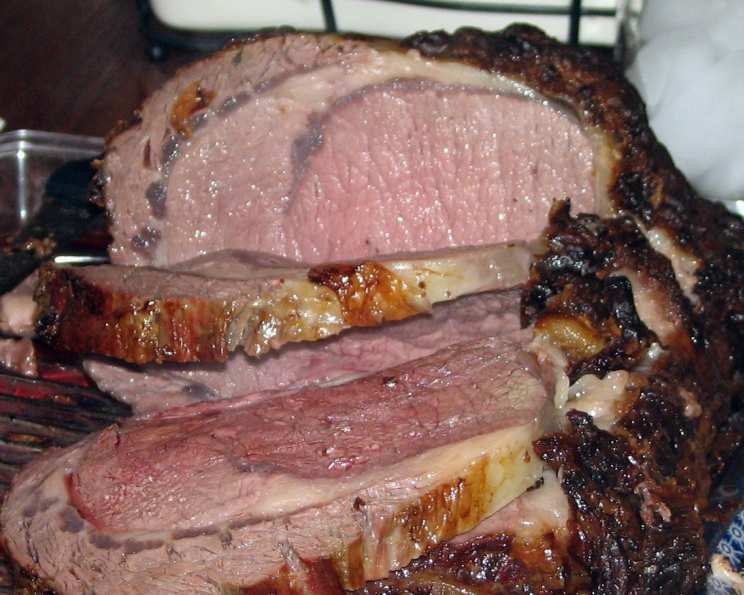
The Unforgettable Standing Beef Rolled Rib Roast: A Family Tradition
My grandmother’s kitchen always held a certain magic, but it truly transformed during the holidays. The aroma of cinnamon, pine, and, most importantly, the unmistakable savory scent of roasting beef would fill every corner of her cozy home. I remember standing on a stool, barely tall enough to see over the counter, watching her meticulously prepare a rolled rib roast. The anticipation of that perfectly cooked, tender, and juicy roast became synonymous with family, love, and unforgettable memories, a tradition I eagerly carry on today.
Recipe Overview
- Prep Time: 15 minutes
- Cook Time: 1 hour 15 minutes (approximate, depending on desired doneness and roast size)
- Total Time: 1 hour 30 minutes (plus 1-2 hours for roast to sit at room temperature)
- Servings: 6
- Yield: Approximately 4 lbs roast
- Dietary Type: Gluten-Free, Dairy-Free (if butter is substituted)
Ingredients
- 4 lbs rolled rib roast or 4 lbs standing rib roast
- 2 tablespoons butter, softened
- 2 tablespoons Dijon mustard
- 2-3 teaspoons horseradish
- 1 garlic clove, minced
Equipment Needed
- Oven
- Roasting pan
- Cooling rack (optional, but recommended)
- Meat thermometer
- Glass measuring cup
Instructions
-
Begin by removing the roast from the refrigerator and allowing it to sit at room temperature for 1 to 2 hours. This critical step allows the muscle fibers to relax, resulting in a more tender and evenly cooked roast. Don’t skip this!
-
Preheat your oven to 450 degrees Fahrenheit (232 degrees Celsius). Make sure your oven rack is in the center position.
-
Pat the roast dry with paper towels. Removing excess moisture allows for better browning and a more flavorful crust.
-
In a small bowl, combine the softened butter, Dijon mustard, horseradish, and minced garlic. Mix until well combined. This mixture will form a flavorful crust on your roast.
-
Smear the butter mixture all over the roast, ensuring it’s evenly coated. Don’t be shy – a generous coating ensures a delicious crust.
-
Place the roast fat side up (or bone side down if it’s a standing rib roast) in a shallow roasting pan. If you have one, place a cooling rack inside the roasting pan and set the roast on top of the rack. This elevates the roast, allowing for better air circulation and even cooking. If using a rolled roast, ensure the butcher’s twine remains securely in place.
-
Do not add water to the pan or cover the roast. We want to achieve a beautiful, browned exterior. Once the roast is in the oven, try to avoid opening the door unless absolutely necessary, as this can lower the oven temperature and affect cooking time.
-
Insert a meat thermometer into the thickest part of the roast, being careful not to touch any bone.
-
Place the roasting pan with the roast into the preheated oven.
-
Cook uncovered for 15 minutes at 450 degrees F (232 degrees C). This initial high heat sears the outside of the roast, creating a flavorful crust.
-
After 15 minutes, reduce the oven temperature to 325 degrees Fahrenheit (163 degrees Celsius).
-
Continue cooking until the meat thermometer reaches 135 degrees Fahrenheit (57 degrees Celsius) for medium-rare. Cooking time will vary depending on the size and shape of the roast, as well as the accuracy of your oven. Check the temperature periodically. For medium, aim for 145 degrees F (63 degrees C), and for medium-well, 155 degrees F (68 degrees C). I don’t recommend cooking above medium-well.
-
Once the desired temperature is reached, remove the roast from the oven and transfer it to a cutting board.
-
Tent the roast loosely with foil. It’s crucial not to cut into the meat at this point! Also, leave the thermometer in place.
-
Let the roast rest for at least 15 minutes under the foil. This allows the juices to redistribute throughout the meat, resulting in a more tender and flavorful roast. The internal temperature will continue to rise during this resting period (carryover cooking). You can let it rest for up to 45 minutes while you finish preparing the rest of the meal.
-
(Optional: Au Jus Sauce) While the roast is resting, you can prepare a delicious au jus sauce. Pour the drippings from the roasting pan into a glass measuring cup. Wait for the fat to rise to the surface and skim it off.
-
Place the roasting pan on the stovetop over medium heat. Add 2 cups of water or beef broth to the pan and bring to a boil, scraping the bottom of the pan to loosen any browned bits (fond). These browned bits are packed with flavor.
-
Stir in the pan drippings from the glass measuring cup and simmer until the sauce is slightly thickened.
-
Taste the au jus and add salt, pepper, or beef bouillon granules (optional) to adjust the seasoning to your liking.
-
Slice the rested roast against the grain and serve immediately with the au jus sauce.
Expert Tips & Tricks
- For even more flavor, consider dry-brining the roast 24-48 hours in advance. Coat the roast liberally with kosher salt and let it sit uncovered in the refrigerator. This will help to draw out moisture and concentrate the beefy flavor.
- If you don’t have a cooling rack, you can use chopped vegetables (carrots, celery, onions) as a makeshift rack. This will add flavor to the drippings for your au jus.
- If the roast is browning too quickly, you can loosely tent it with foil during the cooking process.
- Use a reliable meat thermometer! An inaccurate thermometer can lead to an overcooked or undercooked roast. I prefer a digital thermometer with a probe that can be left in the roast while it cooks.
- If you want to add herbs to the roast, try fresh rosemary, thyme, or oregano. Add them to the butter mixture or tuck sprigs under the butcher’s twine.
Serving & Storage Suggestions
Serve the sliced rolled rib roast hot, accompanied by the au jus sauce. Classic sides include mashed potatoes, roasted vegetables (asparagus, Brussels sprouts, carrots), Yorkshire pudding, and horseradish cream sauce.
Leftover roast can be stored in an airtight container in the refrigerator for up to 3-4 days. To reheat, slice the roast and gently warm it in a pan with a little beef broth or au jus to prevent it from drying out. You can also use leftover roast in sandwiches, salads, or soups.
The au jus sauce can be stored separately in the refrigerator for up to 3-4 days.
Nutritional Information
(Note: Nutritional information is an estimate and may vary based on specific ingredients and cooking methods.)
| Nutrient | Amount per Serving | % Daily Value |
|---|---|---|
| Calories | 650 kcal | 33% |
| Total Fat | 50g | 77% |
| Saturated Fat | 25g | 125% |
| Cholesterol | 180mg | 60% |
| Sodium | 200mg | 8% |
| Total Carbohydrate | 1g | 0% |
| Dietary Fiber | 0g | 0% |
| Sugars | 0g | 0% |
| Protein | 50g | 100% |
Variations & Substitutions
- Herb Crusted: Add chopped fresh herbs (rosemary, thyme, oregano) to the butter mixture for an herb-crusted roast.
- Garlic Herb Butter: Use a compound butter with roasted garlic and herbs for extra flavor.
- Spicy Roast: Add a pinch of red pepper flakes or a dash of hot sauce to the butter mixture for a spicy kick.
- Dairy-Free: Substitute the butter with olive oil or another plant-based butter alternative.
- Standing Rib Roast: This recipe works equally well with a standing rib roast. Adjust cooking time accordingly. Bone-in roasts tend to be more flavorful.
FAQs (Frequently Asked Questions)
Q: Why is it important to let the roast sit at room temperature before cooking?
A: Allowing the roast to sit at room temperature relaxes the muscle fibers, resulting in a more evenly cooked and tender roast.
Q: How do I know when the roast is done?
A: Use a meat thermometer to check the internal temperature. 135°F (57°C) for medium-rare, 145°F (63°C) for medium, and 155°F (68°C) for medium-well.
Q: Can I cook the roast in a slow cooker?
A: While possible, a slow cooker isn’t ideal for rib roast. Roasting in the oven provides better control over browning and internal temperature.
Q: What can I do with the leftover roast beef?
A: Leftover roast beef is delicious in sandwiches, salads, soups, or as a topping for pizza or pasta.
Q: Can I freeze leftover roast beef?
A: Yes, you can freeze leftover roast beef. Wrap it tightly in plastic wrap and then in foil or place it in a freezer-safe container. It will last for up to 2-3 months.
Final Thoughts
This Standing Beef Rolled Rib Roast is more than just a recipe; it’s a tradition, a celebration, and a connection to cherished memories. I encourage you to try this recipe, embrace the process, and create your own unforgettable moments. Don’t be afraid to experiment with flavors and make it your own. And most importantly, share it with the people you love. Pair this magnificent roast with a bold red wine like Cabernet Sauvignon or a rich Merlot for a truly unforgettable dining experience. Enjoy!