
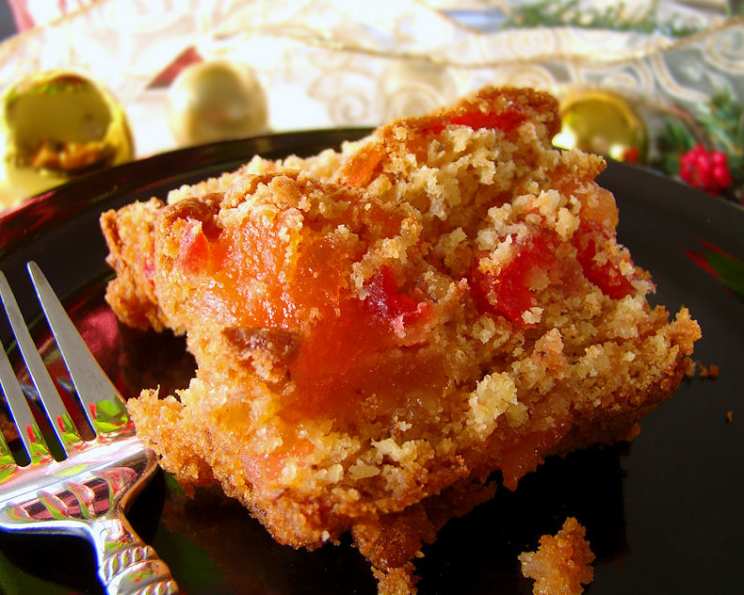
Starter for Friendship Fruitcake: A Generosity-Fueled Tradition
Fruitcake. The mere mention of it can evoke strong reactions, often accompanied by jokes about its longevity and supposed inedibility. But for me, fruitcake isn’t a punchline; it’s a memory, a tradition, and a symbol of connection. I remember my grandmother, her kitchen always smelling of warm spices and sweet fruit, meticulously tending to her “fruitcake starter.” It was more than just a recipe; it was a living, breathing testament to sharing and friendship, passed down through generations, and always bringing a smile to her face. The anticipation of those dense, fragrant slices, studded with jewel-toned fruits, was pure magic. This “Starter for Friendship Fruitcake” is the foundation upon which those memories were built.
Recipe Overview
- Prep Time: 720 hours
- Total Time: 30 days
- Servings: 5
Ingredients
- ¾ cup canned peach slices in heavy syrup
- ¾ cup canned pineapple chunks in syrup
- 4 ounces red maraschino cherries, drained, halved
- 1 ½ cups granulated sugar
- 1 (¼ ounce) package active dry yeast
- 2 ½ cups granulated sugar
- 2-lb can peaches with syrup
- 2-lb can pineapple chunks with juice
- 8 to 10 oz drained and halved maraschino cherries
Equipment Needed
- 1-gallon glass jar with a wide mouth and lid
- Stirring spoon
Instructions
- In a 1-gallon glass jar with a wide mouth and lid, combine the peaches, pineapple, maraschino cherries, sugar and yeast. Make sure the yeast is well mixed with the syrup.
- Stir the mixture two times the first day.
- Stir once a day afterward.
- Do not refrigerate this mixture. Keep loosely covered.
- Two weeks after starting the starter, add ½ cup peaches and ½ cup pineapple with syrup.
- Wait for several days, stirring daily, and drain 2 cups of mixed fruit and use to make cake as directed in the cake recipe (see recipe #40994).
- Reserve 1 ½ cups starter juice and leave in the glass gallon jar.
- Count this as Day One, and start the process for renewing the starter and making the cake.
- DAY 1: To the reserved 1 ½ cups starter juice (or to starter juice given to you by a friend), add 2 ½ cups sugar and a 2-lb can of peaches with syrup.
- Stir daily. Keep loosely covered. Do not refrigerate.
- DAY 10: Add 2 ½ cups granulated sugar, a 2-pound can of pineapple chunks with juice.
- Stir daily. Keep loosely covered. Do not refrigerate.
- DAY 20: Add 2 ½ cups granulated sugar and 8 to 10 oz drained and halved maraschino cherries.
- Stir daily. Keep loosely covered. Do not refrigerate.
- DAY 30: Drain the fruit, reserving 1 ½ cups juice for renewing the starter.
- Use the drained fruit to make 3 cakes (see recipe #40994), give excess starter juice to friends, and start a new batch of fruit. Repeat the aforementioned process.
- At the end of 30 days, you will have enough excess starter juice to give to about four friends.
- Be sure to keep enough juice (1 ½ cups) for your own starter.
- At the end of 30 days, there will be enough fruit to use 1 ¾ cups fruit in each cake, which makes the cake better and doesn’t waste the fruit.
- The cakes can be frozen.
- It is not necessary to bake all three cakes the same day, but stir the remaining fruit mixture every day until it is used (this fruit mixture can be refrigerated until used).
- The drained fruit can be frozen until you are ready to bake the cakes.
Expert Tips & Tricks
- Yeast Activation: Ensure your yeast is active by checking the expiration date. If you’re unsure, proof it by mixing it with a little warm (not hot!) syrup and sugar. It should foam up within 5-10 minutes.
- Jar Sterilization: While not strictly necessary, sterilizing your glass jar before starting the process can help prevent unwanted mold growth. Simply boil the jar in water for 10 minutes and let it dry completely.
- Stirring Consistency: Stirring is important to aerate the mixture and distribute the yeast. Be thorough, but avoid over-stirring, which can toughen the fruit.
- Temperature Control: The ideal temperature for your starter is around 70-75°F (21-24°C). Avoid placing it in direct sunlight or near heat sources, as this can accelerate fermentation too much.
- Fruit Quality: While canned fruit is specified in the recipe, using high-quality canned fruit will result in a better flavor. Look for fruit packed in its own juice or light syrup, rather than heavy syrup, to control the sweetness.
- Dealing with Bubbles: It’s normal for the starter to bubble and foam as it ferments. This is a sign that the yeast is active. However, if you notice excessive bubbling or a foul smell, it could indicate contamination. Discard the starter and start over.
- Freezing for Later: The drained fruit and the baked cakes can be frozen. Ensure they’re properly wrapped to prevent freezer burn. Thaw the fruit in the refrigerator before using and cakes at room temperature.
- Consistent Sugar Addition: Stick to the sugar schedule rigorously, as it feeds the yeast and impacts the final fruit flavor balance. Don’t be tempted to add more sugar than prescribed, as it can throw off the fermentation.
Serving & Storage Suggestions
The finished fruitcake is best served sliced thinly. It pairs wonderfully with a cup of tea or coffee, or a glass of dessert wine or port. Some people enjoy it with a dollop of whipped cream or a scoop of vanilla ice cream.
For storage, wrap the fruitcake tightly in plastic wrap, then in foil, and store it in an airtight container. It can be stored at room temperature for up to a week, in the refrigerator for up to a month, or in the freezer for several months. If freezing, thaw it overnight in the refrigerator before serving.
The reserved starter juice should be kept in a loosely covered container at room temperature and stirred daily. Follow the schedule for adding more fruit and sugar to keep the fermentation process going. Excess starter juice can be given to friends who also want to make friendship fruitcake.
Nutritional Information
(Please note that these are estimates only. The actual nutritional content will vary based on the specific ingredients used.)
| Nutrient | Amount per Serving | % Daily Value |
|---|---|---|
| Calories | 319 kcal | N/A |
| Calories from Fat | 1 g | 1% |
| Total Fat | 0.2 g | 0% |
| Saturated Fat | 0 g | 0% |
| Cholesterol | 0 mg | 0% |
| Sodium | 4 mg | 0% |
| Total Carbohydrate | 81.7 g | 27% |
| Dietary Fiber | 2.1 g | 8% |
| Sugars | 79.4 g | 317% |
| Protein | 0.9 g | 1% |
Variations & Substitutions
- Different Fruits: While the recipe specifies peaches, pineapple, and maraschino cherries, you can experiment with other canned fruits, such as apricots, pears, or mixed fruit cocktail. Just be sure to use fruits packed in syrup or juice, not water.
- Dried Fruits: For a richer flavor, you can add dried fruits, such as raisins, currants, or cranberries, to the starter. Soak them in warm water or juice for 30 minutes before adding them to soften them.
- Nuts: If you enjoy nuts in your fruitcake, you can add chopped walnuts, pecans, or almonds to the cake batter.
- Spices: Enhance the flavor of the fruitcake by adding spices, such as cinnamon, nutmeg, or cloves, to the cake batter.
- Alcohol: For an adult version of the fruitcake, you can add a few tablespoons of rum, brandy, or whiskey to the cake batter.
FAQs (Frequently Asked Questions)
Q: What if my starter doesn’t bubble or show signs of activity?
A: Ensure your yeast is fresh and properly mixed. Also, the room temperature can impact the fermentation; if it’s too cold, the yeast may not activate. Try moving the jar to a slightly warmer location.
Q: Can I use fresh fruit instead of canned?
A: While possible, canned fruit is preferred for consistency and the added syrup, which feeds the yeast. If using fresh fruit, be sure it’s very ripe and add a corresponding amount of sugar to compensate for the missing syrup.
Q: My starter smells a bit funky. Is that normal?
A: A slight yeasty or fermented smell is normal. However, if the smell is strongly unpleasant or moldy, discard the starter and begin again with a sterilized jar and fresh ingredients.
Q: Can I speed up the process?
A: No, the 30-day fermentation period is crucial for the starter to develop its unique flavor and texture. Rushing the process will result in a less desirable outcome.
Q: Can I refrigerate the starter if I need to pause the process?
A: Refrigeration will significantly slow down the fermentation process and is not recommended. The starter is designed to be kept at room temperature. However, after draining the fruit at Day 30, the fruit can be refrigerated, as indicated in the instructions.
Final Thoughts
This “Starter for Friendship Fruitcake” is more than just a recipe; it’s an invitation to connect with friends, family, and the joy of sharing homemade goodness. It’s a project that takes time and patience, but the end result is a delicious fruitcake and the satisfaction of creating something special. Don’t be intimidated by the process—embrace it! Gather your ingredients, follow the steps, and prepare to share the sweet reward with those you cherish. I encourage you to try this recipe and, most importantly, to pass on the tradition of friendship fruitcake. Share your experiences, your variations, and your delicious creations with others. And if you’re feeling adventurous, pair a slice of this rich fruitcake with a strong cup of coffee or a glass of dessert wine. Bon appétit!