
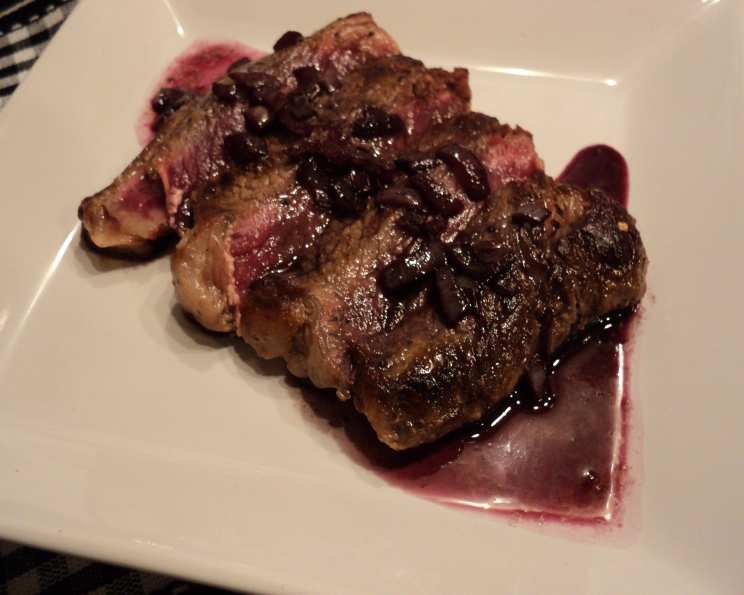
Steak With Shallot-Red Wine Sauce: A Culinary Classic
The aroma alone is enough to transport me back to my grandmother’s kitchen. As a child, the anticipation of a perfectly seared steak, swimming in a rich, fragrant red wine sauce, was almost unbearable. She had a way of coaxing the most incredible flavors from simple ingredients, transforming an ordinary weeknight dinner into something truly special. This recipe, inspired by her unwavering dedication to quality and simplicity, captures that same magic.
Recipe Overview
- Prep Time: 10 minutes
- Cook Time: 18 minutes
- Total Time: 28 minutes
- Servings: 2
- Dietary Type: Gluten-Free (naturally)
Ingredients
- 1 teaspoon vegetable oil
- 2 (6 ounce) boneless rib-eye steaks or 2 (6 ounce) beef tenderloin steaks
- 1 teaspoon butter or 1 teaspoon margarine
- ½ teaspoon salt
- ¼ teaspoon pepper, coarsely ground
- 2 medium shallots, finely chopped
- 1 cup dry red wine (such as Cabernet Sauvignon or Merlot)
Equipment Needed
- 12-inch Skillet
- Cutting Board
Instructions
-
Begin by heating 1 teaspoon of vegetable oil in a 12-inch skillet over medium-high heat until it is very hot, but not smoking. Ensuring the pan is hot enough is crucial for achieving a good sear on the steaks.
-
While the oil is heating, pat the rib-eye or beef tenderloin steaks dry with paper towels. Removing excess moisture allows for better browning and a more flavorful crust.
-
Add 1 teaspoon of butter or margarine to the skillet, allowing it to melt and coat the pan. This adds richness and enhances the browning process.
-
Carefully add the steaks to the hot skillet. Sprinkle them with ½ teaspoon of salt and ¼ teaspoon of coarsely ground pepper.
-
Cook the steaks for 8 to 10 minutes for medium-rare or until they reach your desired doneness, turning them over once halfway through the cooking time. For a medium-rare steak, the internal temperature should reach around 130-135°F (54-57°C). Use a meat thermometer to ensure accuracy.
-
Once the steaks are cooked to your liking, transfer them to a cutting board to rest. Cover them loosely with foil to keep them warm while you prepare the sauce. Resting allows the juices to redistribute, resulting in a more tender and flavorful steak.
-
To the drippings remaining in the skillet, add the 2 finely chopped shallots. Cook them over medium heat for 3 to 4 minutes, or until they are browned and tender, stirring occasionally. The shallots will impart a delicate sweetness to the sauce.
-
Pour 1 cup of dry red wine into the skillet with the shallots. Increase the heat to high and bring the wine to a boil.
-
Boil the red wine for 2 minutes, allowing it to reduce slightly and concentrate the flavors. This step is essential for creating a rich and complex sauce.
-
To serve, thinly slice the steaks against the grain and spoon the shallot-red wine sauce generously over the top.
Expert Tips & Tricks
- Achieving the Perfect Sear: A hot pan and dry steaks are key to a beautiful, flavorful sear. Don’t overcrowd the pan; cook the steaks in batches if necessary to maintain high heat.
- Doneness Matters: Use a meat thermometer for accurate doneness. Remember that the steak will continue to cook slightly as it rests.
- Wine Selection: Choose a dry red wine that you enjoy drinking. The flavor of the wine will significantly impact the taste of the sauce. Avoid wines labeled “cooking wine” as they often contain high levels of sodium.
- Shallot Prep: Finely chopped shallots are crucial for even cooking and flavor release.
- Deglazing the Pan: The red wine deglazes the pan, lifting up all those flavorful browned bits from the steak and shallots. Don’t skip this step!
Serving & Storage Suggestions
Serve the steak immediately after slicing, topped with the shallot-red wine sauce. Suggested sides include roasted asparagus, mashed potatoes, or a simple green salad.
Leftovers can be stored in an airtight container in the refrigerator for up to 3 days. Reheat the steak gently in a skillet over low heat or in the microwave. The sauce can be reheated separately in a small saucepan. Note that the steak may be slightly less tender after reheating.
Nutritional Information
| Nutrient | Amount per Serving | % Daily Value |
|---|---|---|
| Calories | 539 kcal | 27% |
| Total Fat | 40g | 61% |
| Saturated Fat | 16g | 80% |
| Cholesterol | 118mg | 39% |
| Sodium | 397mg | 16% |
| Total Carbohydrate | 2g | 0% |
| Dietary Fiber | 0g | 0% |
| Sugars | 0g | 1% |
| Protein | 30g | 60% |
Note: Nutritional information is an estimate and can vary based on specific ingredients and cooking methods.
Variations & Substitutions
- Herb Infusion: Add a sprig of fresh rosemary or thyme to the skillet while cooking the shallots for an herbaceous note.
- Balsamic Glaze: Drizzle a touch of balsamic glaze over the steak before serving for added sweetness and acidity.
- Mushroom Medley: Add sliced mushrooms to the skillet along with the shallots for an earthier flavor.
- Garlic Boost: Mince a clove of garlic and add it to the skillet with the shallots for a more pungent flavor.
- Wine Alternative: If you prefer not to use red wine, you can substitute it with beef broth or a combination of beef broth and balsamic vinegar. The flavor profile will be different, but still delicious.
FAQs (Frequently Asked Questions)
Q: Can I use a different cut of steak?
A: While rib-eye and beef tenderloin are recommended for their tenderness, you can use other cuts like New York strip or sirloin. Adjust the cooking time accordingly to achieve your desired doneness.
Q: Can I make the sauce ahead of time?
A: Yes, the shallot-red wine sauce can be made up to 24 hours in advance. Store it in an airtight container in the refrigerator and reheat gently before serving.
Q: How do I know when the steak is cooked to the right temperature?
A: The best way to ensure accurate doneness is to use a meat thermometer. Insert the thermometer into the thickest part of the steak, avoiding bone.
Q: What if my sauce is too thin?
A: If the sauce is too thin, continue to simmer it over medium heat until it reduces to your desired consistency.
Q: Can I use a different type of alcohol instead of red wine?
A: While red wine is traditional, you could experiment with other dry red cooking wines, or even a splash of brandy for a more complex flavor.
Final Thoughts
This Steak with Shallot-Red Wine Sauce is more than just a recipe; it’s an invitation to create a memorable culinary experience. Whether you’re cooking for a special occasion or simply want to elevate your weeknight dinner, this dish is sure to impress. Don’t be afraid to experiment with variations and make it your own. Share your creations and feedback – I can’t wait to hear how it turns out! And while you’re at it, a crisp green salad and a glass of the same red wine you used in the sauce would be a perfect accompaniment.