
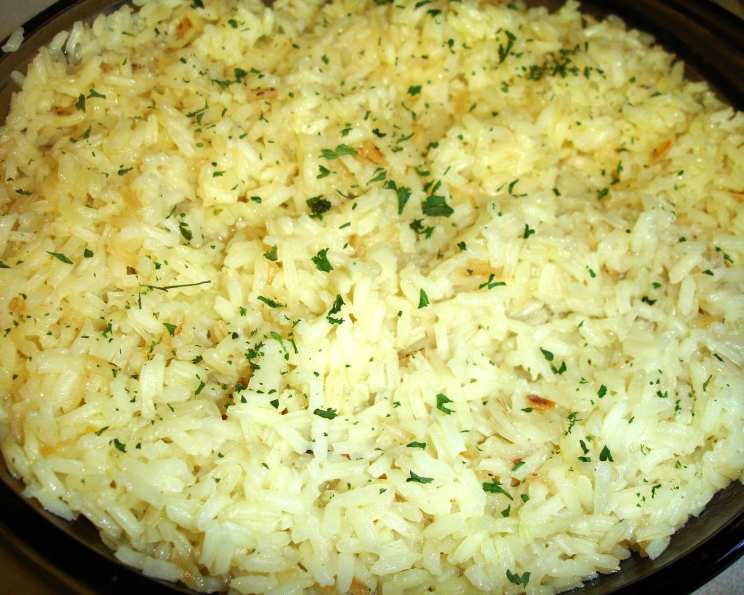
Perfectly Steamed Rice: A Culinary Foundation
The aroma still takes me back to childhood. My grandmother, a woman of few words but immense love, always had a pot of rice simmering on the stove. Not just any rice, mind you. It was fragrant, flavorful, and perfectly textured – each grain distinct and fluffy. She never used a rice cooker, and she certainly didn’t measure with precision. It was all by feel, a testament to years of practice and a deep understanding of the simple alchemy of rice, water, and heat. While I’ve embraced modern kitchen conveniences, I always find myself returning to her method, tweaking it slightly with flavors she never imagined, but always with that same intention: to create a comforting and delicious foundation for any meal.
Recipe Overview
- Prep Time: 5 minutes
- Cook Time: 20 minutes
- Total Time: 25 minutes
- Servings: 2-4
- Dietary Type: Gluten-Free
Ingredients
- 1 cup uncooked long-grain rice
- 2 tablespoons butter or 2 tablespoons extra virgin olive oil (or a combination)
- 1 small onion, chopped
- 2 cups vegetable broth (preferred) or 2 cups very hot tap water
- 1 teaspoon salt (decrease or delete if broth is salted, required with water)
Variation (additional):
- 1/2 cup orzo pasta or 1/2 cup broken up spaghetti (in 1/2″ pieces)
- 1 cup additional broth or 1 cup hot water
Equipment Needed
- Medium saucepan with a tight-fitting lid
Instructions
-
In a medium saucepan, melt the butter or heat the olive oil over medium heat. Add the rice and sauté it, stirring frequently, until the grains become translucent and very lightly browned. This toasting step is crucial for developing the rice’s nutty flavor and preventing it from becoming gummy.
-
Add the chopped onion to the pan and continue sautéing until the onion becomes translucent, stirring frequently to prevent it from burning. The onions will impart a subtle sweetness that complements the rice beautifully.
-
If there is any excess butter or olive oil in the pan, drain it off. This helps to ensure that the rice doesn’t become greasy.
-
Carefully add the vegetable broth or hot water to the pan. Be cautious, as the hot liquid will cause steam to erupt. Adding hot liquid helps maintain the cooking temperature and promotes even cooking.
-
Add the salt. Reduce the heat to a very low simmer, cover the saucepan with the tight-fitting lid, and cook for about 15 minutes without stirring or uncovering. It is crucial not to disturb the rice during this initial cooking period, as this allows the steam to evenly distribute and cook the rice grains to perfection. Resist the urge to peek!
-
After 15 minutes, check the rice. If all the liquid has not been absorbed, remove the cover and continue cooking for another 5 minutes, or until the liquid is gone and the rice is tender. This step allows any remaining moisture to evaporate, resulting in fluffy, separate grains.
-
Once the rice is cooked, remove it from the heat and let it rest, covered, for 5-10 minutes. This allows the residual steam to finish cooking the rice and ensures even moisture distribution.
-
Just before serving, gently fluff the rice with a fork. This separates the grains and prevents them from clumping together.
Orzo or Pasta Variation:
-
If using orzo or broken pasta, lightly brown it in the butter and/or olive oil before adding the rice.
-
Add the rice when the orzo is already lightly browned, and sauté as described above. Be mindful that the orzo will brown more quickly than the rice, so do not burn it.
-
When using this variation, add 3 cups of liquid instead of 2 cups and cook as directed above. The pasta absorbs more liquid than rice alone.
Expert Tips & Tricks
- Toast the Rice: Don’t skip the toasting step! It makes a world of difference in the flavor and texture of the rice.
- Use Broth for Extra Flavor: Using vegetable broth instead of water adds a depth of flavor to the rice that is simply irresistible. Chicken broth works well too, but adjust the salt accordingly.
- Don’t Overcook: Overcooked rice is mushy and unpleasant. Keep a close eye on the rice towards the end of the cooking time and remove it from the heat as soon as the liquid is absorbed.
- Resting is Key: Allowing the rice to rest, covered, after cooking is essential for achieving the perfect fluffy texture.
- For added flavor: add a bay leaf or a sprig of thyme to the cooking liquid. Remember to remove it before serving.
Serving & Storage Suggestions
Serve the steamed rice hot as a side dish with your favorite entrees. It pairs perfectly with stir-fries, grilled meats, roasted vegetables, or curries. It can also be used as a base for rice bowls or salads.
Leftover rice can be stored in an airtight container in the refrigerator for up to 4 days. To reheat, simply microwave it with a tablespoon or two of water or broth to rehydrate it. You can also freeze cooked rice for up to 2 months. Thaw it overnight in the refrigerator before reheating.
Nutritional Information
| Nutrient | Amount per Serving | % Daily Value |
|---|---|---|
| Calories | 250 kcal | 13% |
| Total Fat | 8g | 12% |
| Saturated Fat | 5g | 25% |
| Cholesterol | 20mg | 7% |
| Sodium | 300mg | 13% |
| Total Carbohydrate | 40g | 15% |
| Dietary Fiber | 1g | 4% |
| Sugars | 1g | – |
| Protein | 5g | 10% |
Nutritional information is an estimate and may vary based on specific ingredients and portion sizes.
Variations & Substitutions
- Coconut Rice: Substitute coconut milk for the vegetable broth for a richer, sweeter flavor.
- Brown Rice: Use brown rice instead of long-grain rice, but increase the cooking time and liquid accordingly. Brown rice typically requires about 45-50 minutes of cooking time and 2 1/2 to 3 cups of liquid per cup of rice.
- Herb Rice: Add fresh herbs such as parsley, cilantro, or chives to the rice after cooking for a vibrant flavor and color.
- Spiced Rice: Add spices such as cumin, turmeric, or cardamom to the rice while it is sautéing for a warm and aromatic flavor.
- Garlic Rice: Add minced garlic to the pan along with the onion for a savory twist.
FAQs (Frequently Asked Questions)
Q: Can I use a rice cooker instead of a saucepan?
A: Yes, you can adapt this recipe for a rice cooker. Follow the manufacturer’s instructions for your specific rice cooker, using the same ratios of rice to liquid. Sauté the rice and onion in a separate pan before transferring them to the rice cooker with the broth and salt.
Q: How do I prevent the rice from sticking to the bottom of the pan?
A: Using a good-quality saucepan with a thick bottom and avoiding high heat will help prevent the rice from sticking. Also, be sure to use enough liquid and avoid stirring the rice during cooking.
Q: Can I use chicken broth instead of vegetable broth?
A: Yes, chicken broth can be used as a substitute for vegetable broth. However, be sure to adjust the salt accordingly, as chicken broth is often saltier than vegetable broth.
Q: What if my rice is still too hard after 15 minutes of cooking?
A: If the rice is still too hard after 15 minutes, add a little more liquid (about 1/4 cup) and continue cooking, covered, until the rice is tender.
Q: Can I make this recipe ahead of time?
A: Yes, you can cook the rice ahead of time and store it in the refrigerator for up to 4 days. Reheat it with a tablespoon or two of water or broth to rehydrate it.
Final Thoughts
Steamed rice may seem like a simple side dish, but mastering the art of cooking it perfectly can elevate any meal. Don’t be intimidated; with a little practice, you’ll be creating fluffy, flavorful rice that will impress your family and friends. I encourage you to experiment with different broths, herbs, and spices to create your own signature rice dish. Share your variations and feedback – I’d love to hear how you make this culinary foundation your own. So, go ahead, put on your apron, and let’s cook up a pot of perfectly steamed rice!