
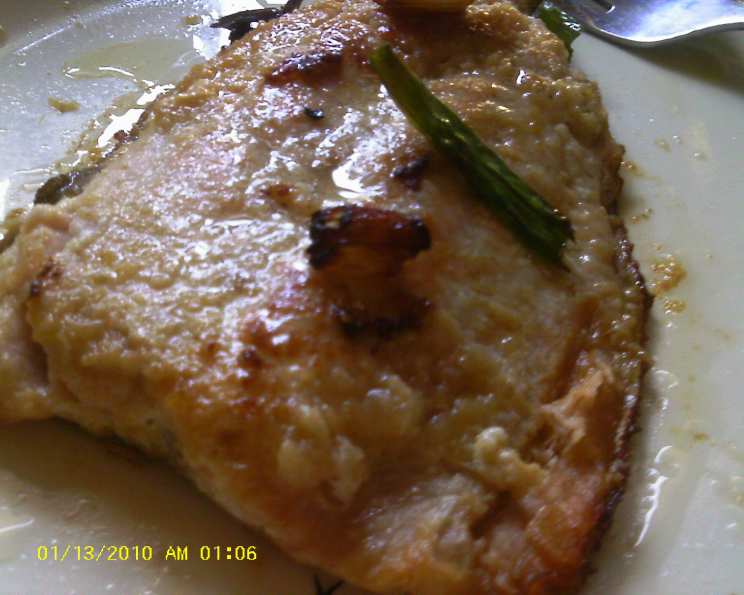
Steamed Salmon Cantonese Style: A Taste of Seattle’s Pike Place
The first time I tasted steamed salmon prepared in the Cantonese style, it was a revelation. I was visiting Seattle’s Pike Place Market, drawn in by the chaotic energy and the promise of the freshest seafood. I remember the mist hanging in the air, the cries of the fishmongers, and the vibrant colors of the produce. The salmon, steamed simply with ginger and fragrant oils, was so delicate, so intensely flavored, it transported me instantly to the bustling kitchens of Hong Kong. It was a reminder that the simplest preparations often yield the most profound culinary experiences, and it’s a dish I’ve cherished recreating ever since.
Recipe Overview
- Prep Time: 15 minutes
- Cook Time: 10 minutes
- Total Time: 25 minutes
- Servings: 2
- Dietary Type: Dairy-Free
Ingredients
- 3 cups water
- ½ lb salmon fillet, bones removed, rinsed, drained, patted dry, and cut into 2 (4-ounce) pieces
- 1 ½ inches gingerroot, very thinly sliced
- 2 tablespoons Chinese rice wine (Shao Hsing) or mirin
- 2 tablespoons Thai fish sauce (nam pla)
- 2-3 tablespoons peanut oil
- 1 garlic clove
- 2 green onions, top 2 inches removed, remaining portion julienned
- 2 sprigs cilantro, for garnish
Equipment Needed
- Wok or large pot with a lid
- Chopsticks
- Small skillet
- Glass pie plate or rimmed glass plate (smaller than wok diameter)
Instructions
-
To prepare for steaming in a wok, create a platform. Cross two chopsticks in an “X”. Then, carefully cut a groove in the lower chopstick so that the top chopstick fits snugly and securely. This will elevate the plate above the boiling water.
-
Set the chopstick structure inside the wok. Add the water to the wok, ensuring it reaches about 1 inch below the level of the chopsticks. You want the water to steam the fish, not boil it.
-
Place the lid on the wok and bring the water to a boil over high heat. This will preheat the steaming environment.
-
While the water heats, prepare the salmon. Place the salmon fillet, skin side down, on a glass pie plate or rimmed glass plate that is slightly smaller than the diameter of the wok. The skin side down placement will allow the steam to circulate evenly around the fish.
-
Cover the salmon with the thinly sliced ginger. The ginger will infuse the salmon with its aromatic flavor and subtly sweet spice.
-
Pour the Chinese rice wine (or mirin) and the Thai fish sauce over the salmon. These liquids will season the fish and create a delicate, savory sauce as it steams.
-
Once the water in the wok is boiling vigorously, carefully remove the lid.
-
Position the plate containing the salmon and seasonings on top of the chopstick platform inside the wok. Ensure the plate is stable and level.
-
Replace the lid on the wok and allow the salmon to steam for 7 to 8 minutes, or until it just turns opaque and begins to flake easily with a fork. Be careful not to overcook the salmon, as it will become dry.
-
Two to three minutes before the salmon is done steaming, heat the peanut oil in a small skillet over high heat. The peanut oil needs to be very hot to properly sear the fish.
-
When the peanut oil is very hot (it should shimmer and almost smoke), add the garlic clove to the oil. Cook the garlic until it is browned and fragrant. This will infuse the oil with a rich, garlicky flavor.
-
Immediately discard the browned garlic from the oil. We only want the infused flavor, not the burnt garlic. Do not turn off the heat until you’re ready to use the oil; it must remain very hot to sear the fish properly.
-
Once the salmon is cooked (opaque and flaking), carefully transfer it to a warm plate. Use a spatula to avoid breaking the delicate fish.
-
Place the julienned green onions strips on top of the cooked salmon. The green onions will add a fresh, crisp element to the dish.
-
Immediately pour the hot, garlic-infused peanut oil over the salmon and green onions. The hot oil will sear the green onions, releasing their aroma, and further enhance the flavor of the salmon.
-
Garnish with fresh cilantro sprigs and serve immediately.
Expert Tips & Tricks
- For a more intense ginger flavor, use freshly grated ginger instead of sliced.
- If you don’t have a wok, you can use a large pot with a steamer basket. Just ensure the basket is elevated above the water level.
- The quality of the fish sauce matters. Look for a brand with a clear, amber color and a strong, umami flavor.
- Don’t be afraid to adjust the cooking time based on the thickness of your salmon fillet. A thicker fillet will require a longer steaming time.
- To ensure even cooking, choose a salmon fillet with a consistent thickness.
- If you want to add a touch of heat, add a pinch of red pepper flakes to the hot oil.
Serving & Storage Suggestions
Serve this steamed salmon immediately for the best flavor and texture. The hot oil poured over the fish is crucial for the final sear and aromatic impact.
Leftovers can be stored in an airtight container in the refrigerator for up to 2 days. Reheat gently in a steamer or microwave. Be aware that the texture will change slightly upon reheating; the salmon will be less delicate than when freshly steamed. This dish is not recommended for freezing, as freezing can negatively impact the texture of the salmon.
Nutritional Information
| Nutrient | Amount per Serving | % Daily Value |
|---|---|---|
| Calories | 350 kcal | 18% |
| Total Fat | 25g | 38% |
| Saturated Fat | 5g | 25% |
| Cholesterol | 75mg | 25% |
| Sodium | 1800mg | 75% |
| Total Carbs | 5g | 2% |
| Dietary Fiber | 1g | 4% |
| Sugars | 2g | 4% |
| Protein | 30g | 60% |
Note: Nutritional information is an estimate and may vary based on specific ingredients and portion sizes.
Variations & Substitutions
- Gluten-Free: Ensure the fish sauce and rice wine are gluten-free. Some brands may contain trace amounts of gluten.
- Different Fish: While salmon is traditional, you can use other firm white fish like cod or sea bass. Adjust the steaming time accordingly.
- Vegetarian/Vegan: This recipe relies heavily on fish, but you could adapt the steaming technique and sauce for tofu or other vegetables like bok choy or broccoli.
- Flavor Boost: Add a splash of soy sauce or a dash of sesame oil to the sauce for extra umami.
- Herb Variations: Experiment with different herbs like chives, dill, or parsley in addition to or instead of cilantro.
FAQs (Frequently Asked Questions)
Q: Can I use a metal steamer basket instead of chopsticks?
A: Yes, a metal steamer basket works perfectly well. Just make sure it’s elevated above the water level and allows for good steam circulation.
Q: What if I don’t have Chinese rice wine or mirin?
A: A dry sherry can be used as a substitute, though the flavor will be slightly different. You can also omit it, but the rice wine adds a subtle sweetness and depth.
Q: How do I know when the salmon is cooked through?
A: The salmon should be opaque throughout and flake easily with a fork. Avoid overcooking, as it will become dry.
Q: Can I prepare the ginger and green onions in advance?
A: Yes, you can slice the ginger and julienne the green onions ahead of time and store them in the refrigerator.
Q: What’s the best way to get the peanut oil really hot without burning it?
A: Use a heavy-bottomed skillet and heat the oil over medium-high heat. Watch it carefully, and remove from the heat if it starts to smoke excessively. The goal is a very hot, but not burnt, oil.
Final Thoughts
Steamed Salmon Cantonese Style is more than just a recipe; it’s a culinary journey. It is a celebration of fresh ingredients and simple techniques that unlock a world of flavor. I urge you to give this recipe a try and experience the delicate, aromatic delight for yourself. Share your creations and feedback, and consider pairing this dish with steamed rice and stir-fried vegetables for a complete and satisfying meal. Enjoy!