
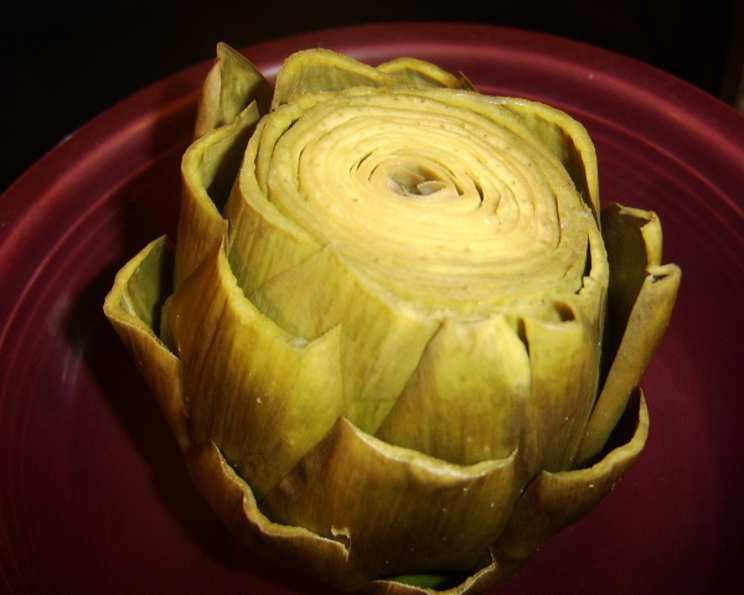
Steamed Whole Artichokes: A Culinary Classic
My grandmother, Nonna Emilia, had a way with artichokes. Every spring, the local market would overflow with these thorny treasures, and she’d emerge with bags of them, ready to transform them into culinary gold. The aroma of simmering artichokes, infused with olive oil and garlic, would fill her kitchen, a fragrant promise of the simple, satisfying meal to come. Though she had many artichoke recipes, the simplest—steamed whole artichokes—was always my favorite. It showcased the artichoke’s unique flavor and texture in its purest form.
Recipe Overview
- Prep Time: 20 minutes
- Cook Time: 30 minutes
- Total Time: 50 minutes
- Servings: 2
- Yield: 2 artichokes
- Dietary Type: Vegetarian, Gluten-Free
Ingredients
- 2 tablespoons olive oil
- 1 quart water
- 2 whole artichokes
- 1⁄4 cup butter, melted
- 1 lemon, cut in wedges
Equipment Needed
- Large pot with lid
- Kitchen shears
- Sharp knife
Instructions
- In a large pot, combine the olive oil and water. Bring the mixture to a simmer over medium heat.
- While the water is heating, prepare the artichokes. Begin by cutting off the stems close to the base of each artichoke.
- Pull off the tough, lower petals from the artichokes. These petals are typically quite fibrous and not very palatable.
- Using a sharp knife, cut off the top inch of each artichoke. This removes the tougher, more prickly portion.
- With kitchen shears, trim off the thorny tips of the remaining outer petals. This makes the artichokes easier and safer to handle and eat.
- Carefully place the prepared artichokes into the simmering pot, placing them bottoms up in the liquid.
- Cover the pot tightly with a lid and let the artichokes simmer for approximately 30 minutes.
- To test for doneness, insert a knife into the base of an artichoke. If the knife meets no resistance, the artichoke is cooked through. If there is resistance, continue simmering for a few more minutes and test again.
- Once cooked, remove the artichokes from the pot.
- To serve, pull off the leaves one by one. Squeeze a little lemon juice onto each leaf (if desired) and dip it into the melted butter. Scrape off the tender part of the leaf with your front teeth.
- When you reach the center of the artichoke, remove the prickly purple leaves and the fluffy thistle layer (also known as the “choke”) that covers the disc-shaped artichoke heart. The heart is the most prized part of the artichoke.
- For smaller portions or easier eating, you can cut the steamed artichokes in half lengthwise. Then, remove the prickles and fluff before serving. This also makes dipping the heart into butter easier.
Expert Tips & Tricks
- Prepping Ahead: Artichokes can be prepped a few hours in advance. To prevent browning, rub the cut surfaces with lemon juice. Store them in a bowl of cold water with lemon juice in the refrigerator.
- Infused Cooking Liquid: Enhance the flavor of the artichokes by adding aromatics to the cooking water. A few cloves of garlic, a bay leaf, or sprigs of fresh herbs like thyme or rosemary can add depth and complexity.
- Doneness Test: The knife test is the most reliable way to determine doneness. The base of the artichoke should be very tender and easily pierced.
- Preventing Browning: Artichokes oxidize quickly when cut, which can lead to browning. Always have a lemon handy and rub the cut surfaces with lemon juice to prevent discoloration.
- Proper Trimming: Don’t be afraid to be generous when trimming the artichoke. Removing the tough outer leaves and thorny tips will make the artichoke more enjoyable to eat.
- Quick Butter Sauce: For a quick and flavorful butter sauce, try browning the butter in a saucepan before adding it to a bowl for dipping.
Serving & Storage Suggestions
Steamed artichokes are best served immediately while they are still warm. Present the artichokes on a platter with a small bowl of melted butter and lemon wedges for dipping.
Leftover steamed artichokes can be stored in the refrigerator for up to 3 days. To store, place the cooked artichokes in an airtight container. Reheat them by steaming them again for a few minutes or microwaving them until warmed through. The leaves might lose some of their texture upon reheating, but the flavor will remain. The artichoke hearts can be added to salads, pasta dishes, or dips.
Avoid leaving cooked artichokes at room temperature for more than 2 hours, as this can promote bacterial growth.
Nutritional Information
| Nutrient | Amount per Serving | % Daily Value |
|---|---|---|
| Calories | 391.4 kcal | N/A |
| Calories from Fat | 331 kcal | 85% |
| Total Fat | 36.8 g | 56% |
| Saturated Fat | 16.5 g | 82% |
| Cholesterol | 61 mg | 20% |
| Sodium | 338 mg | 14% |
| Total Carbohydrate | 16.2 g | 5% |
| Dietary Fiber | 7.7 g | 30% |
| Sugars | 2 g | N/A |
| Protein | 4.8 g | 9% |
Variations & Substitutions
- Garlic Butter: Infuse the melted butter with minced garlic for a more flavorful dipping sauce.
- Herb Butter: Add chopped fresh herbs, such as parsley, thyme, or chives, to the melted butter for a herbaceous twist.
- Lemon-Garlic Aioli: For a creamy dipping sauce, serve the artichokes with a homemade lemon-garlic aioli.
- Steaming Liquid Variations: Experiment with different steaming liquids. Try using vegetable broth, white wine, or a combination of water and vinegar.
- Grilled Artichokes: After steaming, cut the artichokes in half and grill them for a smoky flavor.
- Vegan Option: Substitute the butter with a high-quality olive oil or a vegan butter alternative.
FAQs (Frequently Asked Questions)
Q: How do I know when the artichokes are done steaming?
A: The best way to check for doneness is to insert a knife into the base of the artichoke. If it goes in easily with no resistance, the artichoke is cooked through.
Q: Can I steam artichokes in an Instant Pot?
A: Yes! Place the artichokes on a trivet with 1 cup of water. Cook on high pressure for 12-15 minutes, followed by a natural pressure release.
Q: Why are my artichokes turning brown?
A: Artichokes oxidize quickly when cut. To prevent browning, rub the cut surfaces with lemon juice immediately after cutting.
Q: Can I use frozen artichokes for this recipe?
A: While you can use frozen artichoke hearts in other recipes, this recipe is best with fresh, whole artichokes.
Q: What part of the artichoke is edible?
A: The edible parts of the artichoke are the tender base of the petals (which you scrape off with your teeth) and the heart, which is the meaty core of the artichoke. The prickly choke and tough outer leaves are not edible.
Final Thoughts
Steaming whole artichokes is more than just a simple recipe; it’s an experience. It’s about slowing down, engaging with your food, and savoring the unique flavor of this incredible vegetable. So, gather your ingredients, put on some good music, and prepare to enjoy a truly satisfying and memorable culinary adventure. Don’t hesitate to experiment with different dipping sauces or herbs to customize the flavor to your liking. And most importantly, share your artichoke experience with friends and family. Buon appetito!