
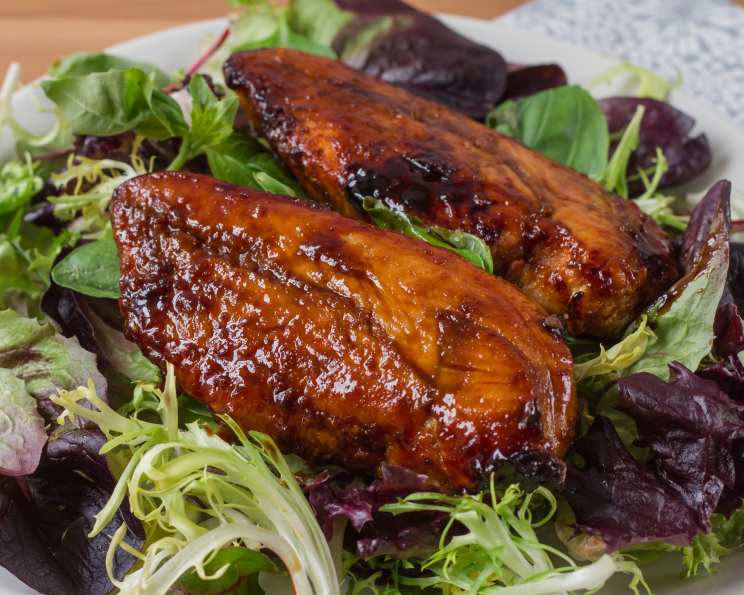
Sticken Chicken: A Sweet and Savory Delight
The first time I tasted “Sticken Chicken,” as my Aunt Millie affectionately called it, was at a summer potluck. I remember being a picky eater, but the glistening, mahogany glaze coating the chicken thighs drew me in like a moth to a flame. One bite, and I was hooked. The sweet and savory blend was unlike anything I’d ever tasted. Aunt Millie always chuckled when I asked for seconds, telling me the secret was in the long, slow bake that transformed humble ingredients into a sticky, unforgettable masterpiece.
Recipe Overview
- Prep Time: 15 minutes
- Cook Time: 3 hours
- Total Time: 3 hours 15 minutes
- Servings: 6
- Yield: 6 pieces
- Dietary Type: Not specified, but contains gluten and soy
Ingredients
- 6 chicken thighs or 6 chicken breasts
- ½ cup flour
- 1 teaspoon garlic salt
- 1 teaspoon paprika
- ½ teaspoon ginger
- ⅔ cup brown sugar
- ½ cup water
- 1 tablespoon Worcestershire sauce
- ¼ cup soy sauce
Equipment Needed
- Baking pan
- Small pot or saucepan
Instructions
-
Begin by preheating your oven to a low temperature of 200 degrees Fahrenheit (93 degrees Celsius). This long, slow cooking process is key to achieving the signature tenderness and deep flavor of Sticken Chicken.
-
Wash the chicken pieces thoroughly under cold water. Pat them completely dry with paper towels. This is a crucial step for ensuring the flour adheres properly and the skin crisps up during the initial baking phase.
-
In a shallow dish, combine the flour, garlic salt, paprika, and ginger. Mix well to create a seasoned flour mixture.
-
Coat each chicken piece evenly with the seasoned flour, ensuring all sides are covered. Shake off any excess flour to prevent a gummy texture.
-
Arrange the chicken in a single layer in your baking pan, placing them skin side up if you are using thighs. Avoid overcrowding the pan, as this can steam the chicken instead of allowing it to roast properly.
-
Roast, uncovered, in the preheated oven for 1 hour. This initial roasting period allows the chicken to render some of its fat and begin to develop a golden-brown color.
-
After the first hour, drain off any accumulated fat from the baking pan. Discard the fat.
-
While the chicken is roasting, prepare the glaze. In a small pot or saucepan, combine the brown sugar, water, Worcestershire sauce, and soy sauce.
-
Place the pot over low heat and gently stir the mixture until the brown sugar is completely melted and the sauce is smooth and well combined. Do not boil.
-
Once the sugar has melted, pour the glaze evenly over the partially roasted chicken.
-
Increase the oven temperature to 250 degrees Fahrenheit (121 degrees Celsius). Bake for another 2 hours, or until the chicken is cooked through and beautifully glazed.
-
During the final two hours of baking, baste the chicken with the glaze at least once, turning the pieces if desired to ensure they are evenly coated. This step is critical for achieving that signature sticky, caramelized finish. Be careful when turning the chicken, as it will be very tender.
-
To check for doneness, insert a meat thermometer into the thickest part of the chicken (avoiding the bone). The internal temperature should reach 165 degrees Fahrenheit (74 degrees Celsius). You can also check the juices: they should run clear when the chicken is pierced with a fork.
Expert Tips & Tricks
- For an even richer glaze, add a pat of butter to the sauce as it melts. This will give the chicken a beautiful sheen and enhance the flavor.
- If the glaze starts to darken too quickly during the final baking stage, you can loosely tent the pan with foil to prevent burning.
- For a spicy kick, add a pinch of red pepper flakes to the flour mixture or the glaze.
- The key to achieving the perfect texture is the low and slow cooking method. Resist the temptation to increase the temperature, as this can result in dry, tough chicken.
- If you’re short on time, you can use boneless, skinless chicken breasts, but be sure to reduce the cooking time accordingly. Monitor the internal temperature closely to prevent overcooking.
- To make ahead, you can prepare the chicken up to the point of adding the glaze. Cover and refrigerate for up to 24 hours. When ready to bake, bring to room temperature for 30 minutes before pouring over the glaze and continuing with the recipe.
Serving & Storage Suggestions
Sticken Chicken is delicious served hot, straight from the oven. The sticky glaze pairs well with simple side dishes like steamed rice, mashed potatoes, or roasted vegetables. A side of coleslaw provides a refreshing contrast to the rich, savory flavor of the chicken.
Leftovers can be stored in an airtight container in the refrigerator for up to 3-4 days. To reheat, place the chicken in a baking dish with a little extra glaze (or a splash of water) and bake at 350 degrees Fahrenheit (175 degrees Celsius) until heated through. You can also reheat it in the microwave, but be careful not to overcook it, as this can dry it out.
Freezing is not recommended as it can affect the texture of the chicken and the glaze.
Nutritional Information
| Nutrient | Amount per Serving | % Daily Value (approximate) |
|---|---|---|
| Calories | 512.8 kcal | N/A |
| Calories from Fat | N/A | N/A |
| Total Fat | 21.8 g | 33% |
| Saturated Fat | 6.1 g | 30% |
| Cholesterol | 118.4 mg | 39% |
| Sodium | 1166.7 mg | 48% |
| Total Carbohydrate | 50.8 g | 16% |
| Dietary Fiber | 0.9 g | 3% |
| Sugars | 36.5 g | N/A |
| Protein | 28.1 g | 56% |
Note: Nutritional information is an estimate and may vary depending on the specific ingredients used.
Variations & Substitutions
- Gluten-Free: Substitute the all-purpose flour with a gluten-free blend. Ensure the Worcestershire sauce is also gluten-free.
- Lower Sodium: Use low-sodium soy sauce to reduce the overall sodium content of the dish.
- Sweetness: Adjust the amount of brown sugar to your liking. You can also substitute it with honey or maple syrup for a slightly different flavor profile.
- Spice: Add a pinch of cayenne pepper or a dash of your favorite hot sauce to the glaze for a spicy kick.
- Herbs: Experiment with adding fresh herbs like thyme or rosemary to the chicken during the roasting process.
FAQs (Frequently Asked Questions)
Q: Why is the chicken cooked at such a low temperature?
A: The low temperature allows the chicken to cook slowly and evenly, resulting in tender, juicy meat and a beautifully caramelized glaze.
Q: Can I use skinless chicken breasts for this recipe?
A: Yes, you can use skinless chicken breasts, but be sure to reduce the cooking time accordingly to prevent them from drying out.
Q: My glaze is too thick. What should I do?
A: Add a tablespoon of water to the glaze and stir until it reaches the desired consistency.
Q: Can I marinate the chicken before cooking?
A: Yes, you can marinate the chicken in the glaze for at least 30 minutes (or up to overnight) to enhance the flavor.
Q: What if I don’t have Worcestershire sauce?
A: You can substitute Worcestershire sauce with a mixture of soy sauce, ketchup, and a little vinegar.
Final Thoughts
Sticken Chicken is more than just a recipe; it’s a reminder of warm summer days, family gatherings, and the simple pleasures of good food. It’s a dish that’s both comforting and exciting, with its unique blend of sweet and savory flavors. I encourage you to try this recipe and create your own memories around it. Don’t be afraid to experiment with variations and substitutions to make it your own. And, most importantly, share it with the people you love. Pair it with a crisp glass of iced tea or a light-bodied red wine for the perfect meal. Enjoy!