
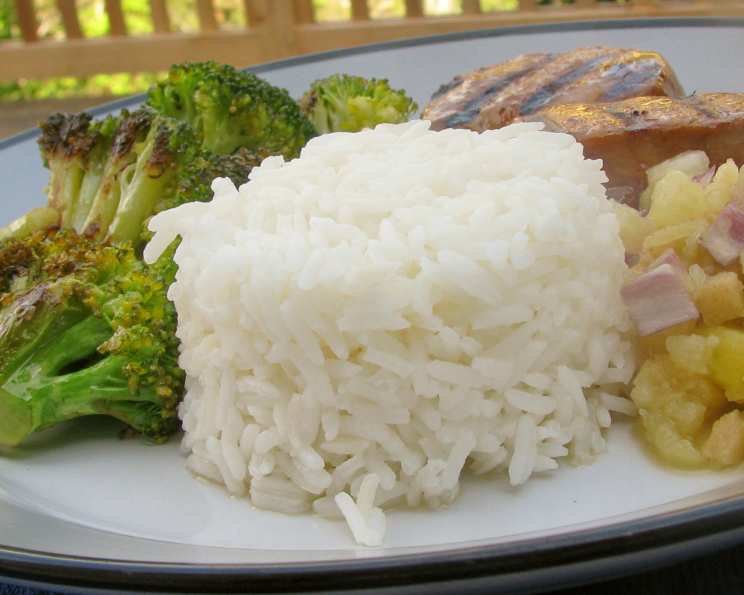
The Easiest Sticky Rice, Inspired by Japan
I remember the first time I tasted truly perfect sticky rice. It was at a tiny, unassuming family-run restaurant tucked away in a Kyoto backstreet. The rice, served alongside expertly grilled fish, was unbelievably tender, slightly sweet, and wonderfully aromatic. Each grain clung delicately to the next, a testament to the skill and care that went into its preparation. It was a revelation – a simple dish elevated to an art form, and it cemented my lifelong love affair with this versatile staple. Now, I’m excited to share a simplified method, inspired by a friend’s Hawaiian tip and perfected in my own kitchen using the magic of the rice cooker!
Recipe Overview
- Prep Time: 5 minutes
- Cook Time: 23 minutes
- Total Time: 28 minutes
- Servings: 2-8
- Dietary Type: Gluten-Free
Ingredients
- 2 cups short-grain rice (Calrose type works best) or 2 cups medium-grain rice (Calrose type works best)
- Water
Equipment Needed
- Rice cooker
Instructions
- Place your preferred amount of rice into the rice cooker.
- Wash the rice three times. To do this, fill the pot with water and gently swirl the rice with your hand. Carefully drain off the water, taking care not to let the rice spill out of the pot. Repeat this process three times until the water runs clearer.
- After washing, fill the pot with water until the water reaches the first line of your middle finger when you stick your middle finger down and just touch the rice. This is a classic method for measuring the correct amount of water.
- Cook the rice using your rice cooker. Most rice cookers will automatically shut off or switch to a warm setting when the rice is cooked through.
- Once the rice cooker has finished its cycle, let the rice sit for about 5 minutes to allow the steam to redistribute evenly. This will result in a more consistent texture.
- Carefully fluff the cooked rice with a rice paddle or a wooden spoon to separate the grains slightly. This prevents the rice from becoming overly compacted.
Note: Over-washing rice will give it a distinctive fishy flavor that is NOT good.
Expert Tips & Tricks
- Rice Selection is Key: While both short-grain and medium-grain Calrose rice will work for this recipe, short-grain rice will typically result in a stickier final product. Experiment with both to find your preferred texture.
- The Finger Trick: The “finger method” for measuring water is a time-honored tradition. However, the line on your finger can vary slightly depending on the size of your hand. As a general guide, the water level should be about 1 inch above the surface of the rice after washing.
- Pre-Soaking (Optional): For even stickier rice, try soaking the rice in cold water for 30 minutes before cooking. Drain the soaking water before adding fresh water to the rice cooker using the finger method.
- Don’t Open the Lid: Resist the temptation to peek inside the rice cooker while the rice is cooking. Opening the lid releases steam and can affect the cooking time and texture.
- Adjust for Elevation: If you live at a high altitude, you may need to add slightly more water to compensate for the faster evaporation rate. Start with an additional 1/4 cup of water and adjust as needed.
- Seasoning: For flavored sticky rice, consider adding a pinch of salt or a tablespoon of sugar to the water before cooking. You can also add a sheet of kombu (dried kelp) for extra umami flavor. Remember to remove the kombu before serving.
- Troubleshooting: If your rice is too dry, add a tablespoon or two of hot water to the cooked rice, cover, and let it sit for 5-10 minutes. If your rice is too wet, fluff it with a fork and let it steam uncovered for a few minutes to allow excess moisture to evaporate.
- Make it Ahead: Cooked sticky rice can be made ahead of time and reheated. For best results, spread the cooked rice out on a baking sheet to cool completely before storing it in an airtight container in the refrigerator.
Serving & Storage Suggestions
Serve your freshly cooked sticky rice hot as a perfect accompaniment to your favorite Asian-inspired dishes. It’s fantastic with grilled meats, stir-fries, curries, and even on its own with a drizzle of soy sauce or a sprinkle of furikake. For a simple yet satisfying meal, try shaping the sticky rice into small balls or triangles and serving it with pickled vegetables.
To store leftovers, allow the rice to cool completely before transferring it to an airtight container. Refrigerated sticky rice will last for up to 3 days. To reheat, sprinkle a small amount of water over the rice and microwave it for 1-2 minutes, or steam it in a steamer basket for 5-10 minutes until heated through. Avoid freezing cooked sticky rice, as it can change the texture and become gummy.
Nutritional Information
| Nutrient | Amount per Serving | % Daily Value |
|---|---|---|
| Calories | 716 kcal | N/A |
| Calories from Fat | 9g | 1% |
| Total Fat | 1g | 1% |
| Saturated Fat | 0.3g | 1% |
| Cholesterol | 0mg | 0% |
| Sodium | 2mg | 0% |
| Total Carbohydrate | 158.3g | 52% |
| Dietary Fiber | 5.6g | 22% |
| Sugars | 0g | 0% |
| Protein | 13g | 26% |
Variations & Substitutions
- Coconut Sticky Rice: Replace some of the water with coconut milk for a richer, sweeter flavor. Start by substituting 1/2 cup of the water with coconut milk and adjust to taste.
- Sweet Sticky Rice: After cooking, stir in a mixture of sugar and a pinch of salt for a simple dessert. Top with fresh fruit or toasted sesame seeds.
- Black Sticky Rice: Use black glutinous rice for a unique color and nutty flavor. Black sticky rice requires a longer soaking time (at least 4 hours or overnight) before cooking.
- Savory Sticky Rice: Incorporate ingredients like chopped vegetables, herbs, or cooked meats into the rice after it’s cooked for a complete meal.
- Brown Rice Variation: You can try this method with brown rice, but be aware that it will require significantly more water and a longer cooking time. It will also not have the same “sticky” consistency as white rice. You may need to experiment to find the right water ratio for your rice cooker.
FAQs (Frequently Asked Questions)
Q: Can I use long-grain rice for this recipe?
A: While you can technically use long-grain rice, it won’t result in the same sticky texture. Short-grain or medium-grain rice is essential for achieving the desired stickiness.
Q: My rice cooker doesn’t have lines inside. How do I measure the water?
A: Use the finger method described in the instructions, or simply measure the water using a measuring cup. Aim for a water-to-rice ratio of approximately 1:1.
Q: Can I make this recipe without a rice cooker?
A: Yes, you can cook sticky rice on the stovetop. Combine the rice and water in a heavy-bottomed pot, bring to a boil, then reduce heat to low, cover, and simmer for about 20 minutes, or until all the water is absorbed.
Q: How can I prevent the rice from sticking to the bottom of the rice cooker?
A: Ensure you’ve washed the rice thoroughly to remove excess starch, which can contribute to sticking. Lightly oiling the bottom of the rice cooker with a neutral oil (like canola or vegetable oil) before adding the rice and water can also help.
Q: The rice is cooked, but still has a bit of a bite to it. What should I do?
A: Add a tablespoon or two of hot water to the cooked rice, cover, and let it steam for another 5-10 minutes to soften the grains.
Final Thoughts
Sticky rice is a blank canvas for culinary creativity, limited only by your imagination. I encourage you to try this simple rice cooker method and discover the joy of perfectly cooked, incredibly versatile sticky rice. Don’t be afraid to experiment with different flavors and accompaniments to create your own signature sticky rice dish. Share your creations and experiences – I can’t wait to see what you come up with!