
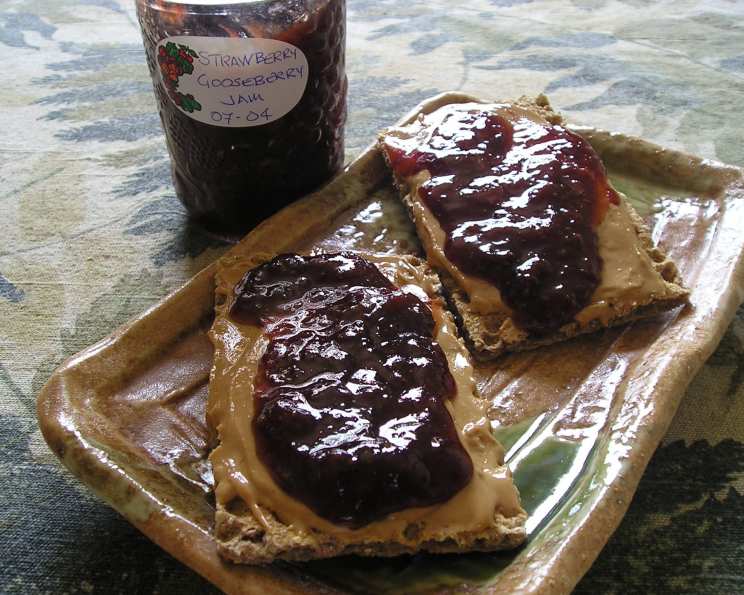
Strawberry-Gooseberry Jam: A Taste of Summer Sunshine
The memory is etched in my mind as clearly as if it were yesterday: sunlight dappling through the leaves of our sprawling gooseberry bush, its branches heavy with tart, jewel-toned berries. My grandmother, her hands stained crimson from picking strawberries, would shoo away the chickens while I, small and eager, filled my own tiny basket. The sweet, heady aroma of strawberries mingled with the slightly sour tang of gooseberries always signaled the start of jam-making season, a time filled with bubbling pots, sticky fingers, and the promise of winter mornings brightened by the taste of summer. This jam, a vibrant blend of sweet and tart, is more than just a preserve; it’s a jar full of cherished memories.
Recipe Overview
- Prep Time: 30 minutes
- Cook Time: 25 minutes
- Total Time: 55 minutes
- Yields: Approximately 6 (250ml) jars
- Serves: 96 (approximately 1 teaspoon per serving)
- Dietary Type: Vegetarian, Gluten-Free
Ingredients
- 2 cups gooseberries (or white currants)
- 1/4 cup water
- 8 cups strawberries
- 4 cups sugar
- 1/4 cup fresh lemon juice
Equipment Needed
- Large saucepan or preserving pan
- Wooden spoon or heat-resistant spatula
- Sieve or food mill
- Sterilized jars with lids and rings
- Jar lifter
- Large pot for boiling water bath
Instructions
- Begin by preparing the gooseberries. Thoroughly wash them, removing any stems or tails. If you are using white currants, the procedure is exactly the same. Place the washed gooseberries (or currants) in a saucepan with the water.
- Cover the saucepan and bring the mixture to a boil over medium heat. Stir gently occasionally to prevent sticking. Continue to boil until the gooseberries have popped and softened, which should take about 5-7 minutes.
- Once the gooseberries are soft, press them through a sieve or food mill to extract the puree. This removes the skins, stems, and seeds, leaving you with a smooth gooseberry puree. Reserve the puree.
- Discard the skins, stems, and seeds left behind in the sieve.
- Now, prepare the strawberries. Gently rinse them under cold water and drain them well. Remove the green tops and any bruised or damaged parts.
- Lightly mash the strawberries using a potato masher or by pulsing them briefly in a food processor. You want to break them down but still leave some texture.
- In a large pot or preserving pan, combine the reserved gooseberry puree, the mashed strawberries, the sugar, and the fresh lemon juice.
- Place the pot over medium heat and bring the mixture to a boil, stirring constantly with a wooden spoon or heat-resistant spatula. This is crucial to prevent the sugar from burning and sticking to the bottom of the pot. Continue stirring until the sugar is completely dissolved.
- Once the sugar is dissolved, increase the heat to high and bring the mixture to a hard boil. Continue to boil vigorously, stirring frequently, until the jam reaches the gelling stage. This usually takes about 20 minutes, but the exact time will depend on the heat of your stove and the size of your pot.
- To test for gelling, place a small spoonful of the hot jam onto a chilled plate. Let it cool for a minute or two. Then, push the jam with your finger. If it wrinkles and forms a skin, it’s ready. Alternatively, use a candy thermometer; the jam should reach 220°F (104°C). Be careful not to overcook, as this can result in a tough jam.
- Once the jam has reached the gelling stage, remove it from the heat. Use a spoon or ladle to skim off any foam that has formed on the surface. This will improve the clarity and appearance of the finished jam.
- Carefully ladle the hot jam into your sterilized jars, leaving about 1/4 inch of headspace at the top. Wipe the rims of the jars clean with a damp cloth.
- Place the lids on the jars and screw on the rings finger-tight.
- Process the filled jars in a boiling water bath for 5 minutes to ensure a proper seal and prevent spoilage. To do this, place the jars on a rack in a large pot filled with boiling water. The water should cover the jars by at least 1 inch. Bring the water back to a boil and process for the specified time.
- After processing, carefully remove the jars from the water bath using a jar lifter and place them on a towel-lined surface to cool completely. As the jars cool, you should hear a popping sound, which indicates that the lids have sealed properly.
- Once the jars are completely cool, check the seals by pressing down on the center of each lid. If the lid doesn’t flex or pop, the jar is sealed. If any jars haven’t sealed, you can either reprocess them with new lids or store them in the refrigerator and use them within a few weeks.
Expert Tips & Tricks
- Pectin Power: Gooseberries are naturally high in pectin, which is why they help the strawberry jam set so well. If using white currants, which may have slightly less pectin, consider adding a commercial pectin product to ensure a good set.
- Sugar Savvy: The amount of sugar is crucial for both flavor and preservation. Don’t be tempted to reduce the amount significantly, as it will affect the setting and shelf life of the jam.
- Don’t overcrowd the pot: Use a large, wide pot to allow for rapid evaporation, which will help the jam thicken more quickly.
- Chill Plate Test: The chilled plate test is your best friend. Have a couple of plates in the freezer ready to go when you think the jam is getting close to being done.
- Sterilize Correctly: Proper sterilization is key to preventing spoilage. Wash jars and lids in hot, soapy water, then boil them for 10 minutes before filling.
Serving & Storage Suggestions
This delightful Strawberry-Gooseberry Jam is incredibly versatile. Spread it on warm toast, scones, or muffins for a classic breakfast treat. Use it as a filling for cakes, pastries, or tarts. Serve it alongside cheese and crackers for a sweet and savory appetizer. It’s also delicious stirred into yogurt or oatmeal.
Store sealed jars of jam in a cool, dark place for up to 1 year. Once opened, store in the refrigerator and use within a few weeks.
Nutritional Information
(Estimated per serving – approximately 1 teaspoon)
| Nutrient | Amount per Serving | % Daily Value |
|---|---|---|
| Calories | 38 kcal | 2% |
| Total Fat | 0g | 0% |
| Saturated Fat | 0g | 0% |
| Cholesterol | 0mg | 0% |
| Sodium | 0mg | 0% |
| Total Carbohydrate | 10g | 4% |
| Dietary Fiber | 0g | 0% |
| Sugars | 9g | N/A |
| Protein | 0g | 0% |
Variations & Substitutions
- Raspberry-Gooseberry Jam: Substitute half of the strawberries with fresh raspberries for a slightly different flavor profile.
- Blackberry-Gooseberry Jam: Use blackberries instead of strawberries. This will result in a darker, richer jam.
- Spice it Up: Add a pinch of ground cinnamon, cloves, or ginger to the jam mixture for a warm, spiced flavor.
- Citrus Zest: Grate the zest of an orange or lemon into the jam for a brighter, more aromatic flavor. Add with the lemon juice.
- Lower Sugar: While not recommended for long-term preservation, you can use a sugar substitute designed for jam making if you want to reduce the sugar content slightly. However, be aware that this may affect the set and shelf life of the jam.
FAQs (Frequently Asked Questions)
Q: Why add gooseberries to strawberry jam?
A: Gooseberries add a lovely tartness that balances the sweetness of the strawberries. They also contain a high amount of pectin, which helps the jam to set properly.
Q: Can I use frozen strawberries for this recipe?
A: Yes, you can use frozen strawberries, but make sure to thaw them completely and drain off any excess liquid before using them. They may release more water during cooking, so you might need to cook the jam for a slightly longer time.
Q: How do I know if my jars are properly sealed?
A: After processing, you should hear a popping sound as the jars cool, indicating that the lids have sealed. You can also check by pressing down on the center of each lid. If it doesn’t flex or pop, the jar is sealed.
Q: What if my jam doesn’t set properly?
A: If your jam is too runny, you can try recooking it with a little extra pectin or lemon juice. Alternatively, you can use it as a sauce or syrup instead of a spread.
Q: How long does this jam last?
A: Properly sealed jars of Strawberry-Gooseberry Jam can be stored in a cool, dark place for up to 1 year. Once opened, store in the refrigerator and use within a few weeks.
Final Thoughts
I sincerely hope this Strawberry-Gooseberry Jam recipe brings as much joy to your kitchen as it has to mine for years. There’s truly nothing quite like the satisfaction of creating something delicious and wholesome from scratch, especially when it’s a recipe steeped in cherished memories. Don’t hesitate to experiment with the variations, and feel free to share your own twists! Now go forth, gather your berries, and create a jar of sunshine to brighten your days. Pair this gem with freshly baked scones or a delicate cheese and enjoy every bite!