
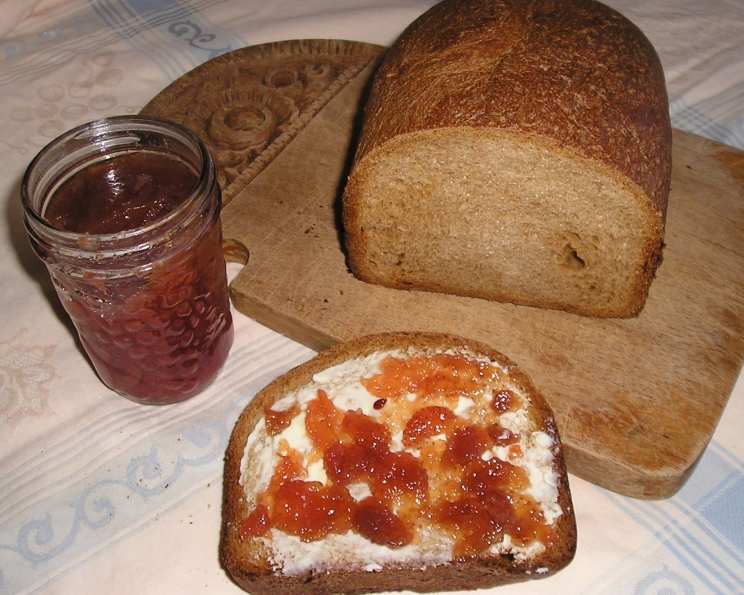
Strawberry Lemon-Lime Marmalade: A Burst of Sunshine in Every Bite
My grandmother, bless her heart, had a way of turning simple ingredients into liquid sunshine. I remember one summer, the kitchen table overflowing with bright red strawberries and fragrant citrus fruits. The air hung thick with the sweet and tangy aroma of simmering marmalade, a scent that instantly transported me to her sun-drenched garden. This Strawberry Lemon-Lime Marmalade evokes that same sense of warmth and nostalgia, a reminder of simpler times and the magic of homemade goodness. It’s a taste of summer, bottled and ready to brighten even the dreariest of days.
Recipe Overview
- Prep Time: 20 minutes
- Cook Time: 50 minutes
- Total Time: 1 hour 10 minutes
- Yields: Approximately 5 (8-ounce) jars
- Serves: 80
- Dietary Type: Vegetarian, Gluten-Free
Ingredients
- 1 lemon
- 2 limes
- 3 cups water
- 3 cups sugar
- 3 cups sliced strawberries (about 1 quart)
Equipment Needed
- Large, broad pot (at least 6-quart capacity)
- Sharp knife or vegetable peeler
- Clean, new tea ball or cheesecloth
- Large kettle for sterilizing jars
- Canning jars with lids and rings
- Jar lifter or tongs
- Measuring cups
Instructions
- Begin by thoroughly washing the lemon and limes. Finely shred the rind (only the colored part, avoiding the bitter white pith) using a sharp knife, vegetable peeler, or microplane. Place the shredded peel in the large pot.
- Next, prepare a small tea ball or cheesecloth bag. As you shred the citrus fruits, carefully collect all the seeds from both the lemon and limes. Place these seeds securely inside the tea ball or tie them into the cheesecloth bag. The seeds are crucial as they provide natural pectin, which helps the marmalade set properly.
- Prepare your canning jars for sterilization. Place the clean jars in a large kettle and cover them with water, ensuring the water level is about one inch above the rims of the jars.
- Turn on the heat under the kettle about 25 minutes before you anticipate needing the jars. Bring the water to a rolling boil and maintain the boil for 10 minutes to completely sterilize the jars. This step is critical for safe preservation.
- Add the lemon and lime shreds to the large, broad pot, along with the 3 cups of water and the tea ball or cheesecloth bag containing the seeds. Bring the mixture to a boil over medium-high heat. Once boiling, reduce the heat slightly and continue to boil for 10 minutes. This process softens the citrus peel and extracts pectin from the seeds.
- While the citrus mixture is boiling, wash, hull (remove the green tops), and slice the strawberries. Aim for slices that are about ¼ inch thick.
- After the citrus mixture has boiled for 10 minutes, add the 3 cups of sugar and the sliced strawberries to the pot. Stir well to combine.
- Return the mixture to a boil over medium-high heat. Once boiling, reduce the heat to medium and continue to boil gently, stirring regularly to prevent sticking and burning. This process typically takes about 30 minutes, or until the marmalade thickens and reaches a consistency that indicates it’s ready to set.
- To test for doneness, place a small spoonful of the marmalade onto a chilled plate. Let it cool for a minute or two. Then, gently push the marmalade with your finger. If it wrinkles slightly, it’s ready. If it remains runny, continue boiling for a few more minutes and test again.
- Once the marmalade has reached the desired consistency, carefully remove the tea ball or cheesecloth bag containing the seeds from the pot. Be sure to drain it well, pressing gently with the back of a spoon to extract any remaining pectin-rich liquid back into the marmalade. Discard the seeds.
- Carefully remove the sterilized jars from the boiling water using a jar lifter or tongs. Pour the hot marmalade into the sterilized jars, leaving about ¼ inch of headspace (the space between the marmalade and the top of the jar).
- Wipe the rims of the jars with a clean, damp cloth to remove any drips or spills. Place the sterilized lids on the jars and screw on the rings finger-tight (not too tight, as this can prevent proper sealing).
- Process the filled jars in a boiling water bath for 5 minutes. To do this, return the jars to the kettle of boiling water, ensuring the water covers the jars by at least one inch. Bring the water back to a rolling boil and boil for 5 minutes.
- After processing, carefully remove the jars from the boiling water using the jar lifter or tongs. Place them on a towel-lined surface, leaving some space between each jar.
- Let the jars cool completely undisturbed for 12-24 hours. As they cool, you should hear a “popping” sound as the lids seal.
- After the jars have cooled completely, check the seals by pressing down on the center of each lid. If the lid doesn’t flex or pop back up, it’s properly sealed. If a lid doesn’t seal, refrigerate that jar and use the marmalade within a few weeks.
Expert Tips & Tricks
- Citrus Zest Matters: When shredding the lemon and lime rinds, be careful to avoid the white pith underneath the colored zest. The pith is quite bitter and can negatively impact the flavor of the marmalade.
- Pectin Power: The pectin in the citrus seeds is essential for a good set. Don’t skip this step! If you’re concerned about seed residue, use a fine-mesh cheesecloth bag.
- Sugar Secrets: Granulated sugar works best for this marmalade. Avoid using powdered sugar or brown sugar, as they can affect the texture and clarity.
- Jam Thermometer (Optional): For precise results, use a jam thermometer. The marmalade is ready when it reaches 220°F (104°C).
- Stirring is Key: Regular stirring prevents the marmalade from sticking and burning, especially as it thickens.
Serving & Storage Suggestions
This Strawberry Lemon-Lime Marmalade is delicious served on toast, scones, English muffins, or croissants. It also makes a delightful glaze for roasted meats, a flavorful addition to cheese boards, or a unique filling for pastries.
Store unopened jars of marmalade in a cool, dark place for up to 1 year. Once opened, refrigerate the marmalade and use it within a few weeks. Properly sealed jars do not require refrigeration until opened.
Nutritional Information
Note: Nutritional information is an estimate and may vary based on specific ingredients and portion sizes.
| Nutrient | Amount per Serving | % Daily Value |
|---|---|---|
| Calories | 32 kcal | 2% |
| Total Fat | 0g | 0% |
| Saturated Fat | 0g | 0% |
| Cholesterol | 0mg | 0% |
| Sodium | 0.1mg | 0% |
| Total Carbohydrate | 8g | 3% |
| Dietary Fiber | 0g | 0% |
| Sugars | 8g | 16% |
| Protein | 0g | 0% |
Variations & Substitutions
- Spicy Kick: Add a pinch of red pepper flakes to the marmalade while it’s cooking for a subtle heat.
- Berry Medley: Combine strawberries with other berries like raspberries or blueberries for a more complex flavor.
- Citrus Boost: Enhance the citrus flavor by adding the juice of one lemon and one lime to the pot along with the shreds.
- Boozy Twist: Stir in a tablespoon of Grand Marnier or other citrus-flavored liqueur after removing the marmalade from the heat.
- Different Fruit: As the recipe creator mentioned, sour cherries can be substituted for strawberries. Adjust the sugar to taste.
FAQs (Frequently Asked Questions)
Q: Why is it important to sterilize the jars?
A: Sterilizing the jars eliminates any bacteria or microorganisms that could spoil the marmalade and ensure proper preservation for safe, long-term storage.
Q: How can I tell if my marmalade has set properly?
A: The cold plate test is a reliable way to check for doneness. A jam thermometer can also be used to achieve a precise set at 220°F (104°C).
Q: My marmalade is too runny. What can I do?
A: Continue to boil the marmalade for a few more minutes, testing periodically until it reaches the desired consistency. Make sure you have included the citrus seeds, as they are crucial for pectin.
Q: Can I use a different type of sugar?
A: Granulated sugar is recommended for its clarity and consistency. Other sugars may affect the texture and color of the marmalade.
Q: How long will the marmalade last after it’s opened?
A: Once opened, the marmalade should be stored in the refrigerator and consumed within a few weeks for optimal freshness.
Final Thoughts
This Strawberry Lemon-Lime Marmalade is more than just a preserve; it’s a taste of sunshine, a burst of flavor, and a testament to the magic of homemade goodness. Don’t be intimidated by the process – it’s surprisingly simple and incredibly rewarding. So gather your ingredients, put on some music, and get ready to create a jarful of happiness. I encourage you to try this recipe and share your own variations or serving suggestions. Perhaps you’ll discover a new favorite way to enjoy this bright and zesty marmalade!