
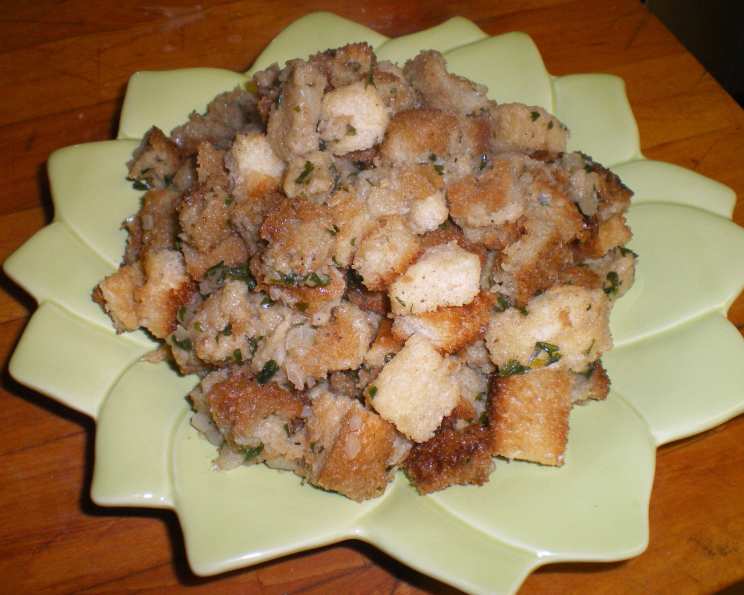
The Magic of Homemade Stuffing Seasoning Mix: A Culinary Adventure
I can still smell it – the intoxicating aroma of Thanksgiving morning, long before the turkey was even close to being done. It wasn’t the roasting bird that filled my childhood home with warmth, but the savory, herbaceous scent of my grandmother’s stuffing. She never used a boxed mix; it was always a blend of her own creation, a secret symphony of spices she measured by instinct and love. Recreating that magical flavor has been a lifelong pursuit, and this recipe comes incredibly close to capturing that treasured memory.
Recipe Overview
- Prep Time: 5 minutes
- Cook Time: 7 minutes
- Total Time: 12 minutes
- Servings: 4-6
- Yield: Approximately 1/4 cup seasoning mix, enough for one batch of stuffing
- Dietary Type: Vegetarian (can be made vegan by ensuring bouillon is plant-based)
Ingredients
Seasoning Packet:
- 1 teaspoon ground sage (or 1 teaspoon poultry seasoning)
- 1 teaspoon instant chicken bouillon granules (use vegetarian bouillon for a vegan option)
- 1 tablespoon chopped dried celery flakes
- 2 teaspoons dried onion flakes
- 2 teaspoons dried parsley flakes, crushed
- 1/8 teaspoon ground pepper
Stuffing:
- 3 tablespoons butter (or vegan butter alternative)
- 1 1/4 cups water (or broth)
- 4 cups bread cubes, partially dried
Equipment Needed
- Medium saucepan
- Measuring spoons and cups
- Fork
Instructions
-
Combine the seasoning mix: In a small bowl, thoroughly combine the ground sage (or poultry seasoning), instant chicken bouillon granules, dried celery flakes, dried onion flakes, crushed dried parsley flakes, and ground pepper. This is your homemade stuffing seasoning packet.
-
Create the flavorful base: In a medium saucepan, add the water, butter, and the seasoning mix you just created.
-
Simmer the seasoning: Bring the mixture to a boil over medium-high heat. Once boiling, reduce the heat to medium and allow it to simmer gently for approximately 5 minutes. This step is crucial for allowing the flavors of the dried herbs and spices to fully bloom and infuse into the water and butter.
-
Incorporate the bread cubes: Add the partially dried bread cubes to the saucepan. Stir continuously to ensure the bread cubes are evenly coated with the seasoned liquid.
-
Cook and absorb: Continue to cook for 1 to 2 minutes, or until the liquid is almost completely absorbed by the bread cubes. Keep stirring and fluffing the stuffing with a fork during this process to prevent sticking and ensure even distribution of moisture.
-
Rest and steam: Remove the saucepan from the heat, cover it tightly with a lid, and let the stuffing stand for 5 minutes. This allows the remaining moisture to be fully absorbed, resulting in a moist and flavorful stuffing.
-
Fluff and serve: Before serving, fluff the stuffing with a fork to separate the bread cubes and create a light and airy texture. Serve immediately as a side dish.
Expert Tips & Tricks
- Bread is key: The type of bread you use significantly impacts the final result. Stale bread, or bread that has been dried out slightly in a low oven, works best. This prevents the stuffing from becoming mushy.
- Toast the bread: For an extra layer of flavor and enhanced texture, lightly toast the bread cubes before adding them to the liquid. This will give them a slight crispness that holds up well during cooking.
- Sautéed vegetables: Enhance the flavor profile by sautéing diced celery, onion, and carrots in butter before adding the water and seasoning mix. This adds depth and complexity to the stuffing.
- Bouillon adjustments: If you’re sensitive to sodium, use a low-sodium bouillon or reduce the amount used. Taste and adjust the seasoning accordingly.
- Dried herbs: For the best flavor, ensure your dried herbs are relatively fresh. Older herbs tend to lose their potency.
- Make ahead: You can prepare the seasoning mix in advance and store it in an airtight container for several months. This saves time during the busy holiday season.
- Prevent sticking: To prevent the stuffing from sticking to the bottom of the pan, use a non-stick saucepan or add a little extra butter.
- Adjust moisture: If the stuffing appears too dry, add a tablespoon or two of water or broth at a time until it reaches the desired consistency. If it’s too wet, continue cooking uncovered for a few minutes to allow some of the excess liquid to evaporate.
Serving & Storage Suggestions
Serve the stuffing hot as a comforting side dish alongside roasted turkey, chicken, or vegetarian mains. It pairs exceptionally well with cranberry sauce, gravy, and mashed potatoes.
Leftover stuffing can be stored in an airtight container in the refrigerator for up to 3-4 days. To reheat, microwave gently, adding a splash of water or broth if needed to prevent drying out. You can also reheat it in a covered oven at 350°F (175°C) for about 15-20 minutes.
For longer storage, freeze the stuffing in an airtight container for up to 2-3 months. Thaw it overnight in the refrigerator before reheating.
Nutritional Information
| Nutrient | Amount per Serving | % Daily Value |
|---|---|---|
| Calories | 175 kcal | N/A |
| Total Fat | 10g | 15% |
| Saturated Fat | 6g | 28% |
| Cholesterol | 23mg | 7% |
| Sodium | 546mg | 22% |
| Total Carbohydrate | 19g | 6% |
| Dietary Fiber | 1g | 4% |
| Sugars | 2g | N/A |
| Protein | 3g | 6% |
Note: Nutritional information is an estimate and may vary based on specific ingredients used.
Variations & Substitutions
- Whole Wheat Stuffing: Use half whole wheat bread cubes and half white bread cubes for a heartier texture and flavor.
- Cornbread Stuffing: Substitute 3 cups of cornbread for the regular bread cubes for a sweeter, more Southern-inspired stuffing.
- Nut Stuffing: Add 1/4 cup of chopped walnuts or diced water chestnuts for added crunch and flavor. Pecans also work well.
- Mushroom Stuffing: Sauté sliced mushrooms with the celery and onion for an earthy and savory variation.
- Cranberry Stuffing: Add dried cranberries or fresh cranberries to the stuffing for a tart and festive twist.
- Gluten-Free Stuffing: Use gluten-free bread cubes for a gluten-free version.
- Vegan Stuffing: Substitute butter with vegan butter, and chicken bouillon with vegetable bouillon.
FAQs (Frequently Asked Questions)
Q: Can I use fresh herbs instead of dried?
A: While dried herbs work well in this recipe, you can certainly use fresh herbs. Use about 1 tablespoon of fresh sage and 1 tablespoon of fresh parsley, finely chopped, for each teaspoon of dried herb.
Q: How do I dry the bread cubes properly?
A: Spread the bread cubes in a single layer on a baking sheet and bake at 250°F (120°C) for about 30-45 minutes, or until they are dry but not browned. Alternatively, you can leave them out uncovered overnight.
Q: Can I add meat to this stuffing?
A: Yes, you can add cooked and crumbled sausage or bacon to the stuffing for a meaty variation. Add it along with the bread cubes.
Q: How can I make this stuffing more moist?
A: If the stuffing seems dry, add a little more water or broth, 1 tablespoon at a time, until it reaches the desired consistency.
Q: Is it safe to stuff a turkey with this stuffing?
A: It is generally recommended to cook stuffing separately to ensure it reaches a safe internal temperature. Stuffing cooked inside a turkey may not reach a high enough temperature to kill bacteria. If you do choose to stuff the turkey, ensure the stuffing reaches an internal temperature of 165°F (74°C).
Final Thoughts
Creating your own stuffing seasoning mix is a simple way to elevate your holiday meals and add a personal touch to a classic dish. This recipe is a fantastic starting point, and you can easily customize it to suit your own preferences and dietary needs. Don’t be afraid to experiment with different herbs, spices, and additions to create your own signature stuffing. Gather your ingredients, embrace the process, and share this delicious creation with loved ones. I guarantee, the aroma alone will bring back cherished memories and create new ones around your table.