
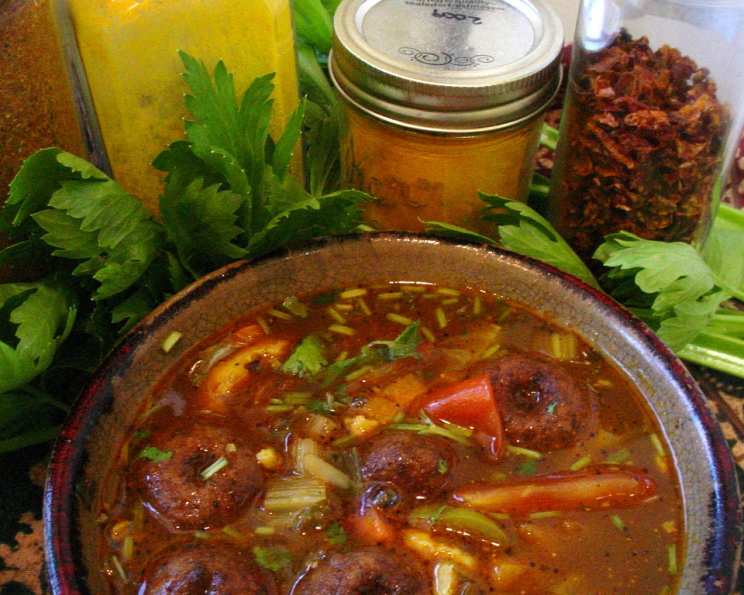
Subru Uncle’s Delicious S. Indian Sambar Veg Curry We All Love
The aroma alone transports me back to lazy Sunday afternoons spent in my aunt’s sun-drenched kitchen. The fragrant steam rising from a pot of sambar, bubbling gently on the stove, was always a promise of comfort and warmth. This wasn’t just any sambar; it was the sambar – a symphony of tangy tamarind, earthy spices, and a medley of vegetables cooked to perfection. It was a dish that spoke of tradition, love, and the simple joy of sharing a meal with family. I’ve tried countless sambar recipes, but none have quite captured that magic… until now, thanks to Subru Uncle!
Recipe Overview
- Prep Time: 20 minutes
- Cook Time: 1 hour 25 minutes
- Total Time: 1 hour 45 minutes
- Servings: 4-6
- Dietary Type: Vegan
Ingredients
- 4 teaspoons salt
- 2 1/4 tablespoons sambar garam masala powder (I use the MTR Madras Sambar Masala powder brand, that’s the brand I love the best)
- 1 1/2 tablespoons asafoetida powder (known as “hing” in Hindi)
- 1 cup yellow lentils, cleaned, washed, soaked in plenty of water and drained (toor dal)
- 1 1/2 cups peeled, washed and diced yams (known as “sooran” in Hindi)
- 1 small potato, peeled, washed and diced
- 5-6 garlic cloves, peeled, washed and slit lengthwise (slit each clove of garlic into 3 parts lengthwise)
- 1 small carrot, peeled, washed and diced
- 1/2 cup flat Indian beans, washed, ends trimmed and chopped into 1 inch size pieces (commonly called “guavar” in Hindi)
- 2 large vegetable drumsticks, washed, peeled, ends trimmed and chopped into 2 inch sized pieces
- 3 cups water
- 2 teaspoons turmeric powder
- 2 medium green chilies, washed and slit lengthwise
- 20 fresh curry leaves, washed and torn between the palms of your hands
- 1 teaspoon cumin seed
- 1 teaspoon mustard seeds
- 5-6 tablespoons oil
- 1 large tomatoes, washed, peeled and chopped
- 10-12 okra, washed and chopped into 1 inch size pieces (commonly called ladyfingers or “bhindi” in Hindi)
- 5 whole red chilies
- 1/2 cup tamarind pulp or 1/2 cup tamarind juice
- 1 teaspoon methi seeds
Equipment Needed
- Large pot
- Non-stick frying pan
Instructions
- Begin by preparing the tamarind pulp. Soak a few pieces of tamarind in 1 1/2 cups of hot water.
- Squeeze the tamarind pieces thoroughly to extract as much juice as possible, allowing the tamarind pulp to mix well into the hot water.
- Once you have squeezed out about 1/2 cup of concentrated tamarind pulp, transfer it to a separate pot. The consistency should be such that you have more tamarind pulp than water.
- Add the chopped okra (ladyfinger) to the pot with the tamarind pulp.
- Bring the tamarind-okra mixture to a boil and let it simmer for 5 minutes. This step, as Subru Uncle taught me, helps prevent the okra from releasing its characteristic sticky fluid during the main cooking process.
- Remove the pot from the heat and set the tamarind-okra mixture aside.
- Now, take a large pot in which you will be preparing the sambar.
- Heat the pot over medium-high flame.
- Once the pot is hot, pour in 3 cups of water.
- Add the drained toor dal (yellow lentils) to the water and mix well.
- Add the slit garlic cloves and mix well.
- Allow the lentil mixture to boil vigorously for about 15 minutes.
- Reduce the flame to low and add all the chopped and diced vegetables – the yams, potato, carrot, flat Indian beans, and vegetable drumsticks – to the boiling lentils.
- Mix in the turmeric powder, asafoetida powder, salt, and sambar masala powder.
- Gently fold in the chopped tomatoes.
- Cover the pot with a tight-fitting lid and cook until the tomatoes have softened and all the vegetables are tender, approximately 30-40 minutes. Check occasionally and add more water if necessary to prevent sticking.
- While the vegetables are cooking, prepare the seasoning (also known as “tadka”).
- Heat the oil in a non-stick frying pan over medium-high flame.
- Once the oil is hot, add the mustard seeds, methi seeds, and cumin seeds.
- Allow the seeds to crackle and splutter, which indicates they are releasing their aromatic oils.
- Once the spluttering subsides, add the curry leaves, green chilies, and whole red chilies to the pan.
- Mix well and stir-fry for 2 minutes on medium flame, ensuring the chilies don’t burn.
- Remove the frying pan from the heat.
- Add this fragrant seasoning to the simmering sambar.
- Also add the tamarind-okra mixture to the sambar at this point.
- Mix well, reduce the heat to low, and allow the sambar to simmer for 5 minutes, allowing all the flavors to meld together beautifully.
- Serve this wonderful curry immediately while hot. Traditionally, it’s served with cooked long-grain Basmati white rice and a side of low-fat plain yogurt, if desired.
Expert Tips & Tricks
- Soaking the toor dal beforehand is crucial for faster and more even cooking. Don’t skip this step!
- Adjust the amount of sambar masala powder to your preference. Some brands can be spicier than others.
- The quality of the tamarind pulp greatly affects the final taste. If using store-bought, taste it first and adjust the amount accordingly.
- For a richer flavor, add a tablespoon of grated jaggery (Indian unrefined sugar) towards the end of the cooking process.
- If you find the sambar too thick, simply add a little more water to achieve your desired consistency.
Serving & Storage Suggestions
Serve Subru Uncle’s Sambar hot, garnished with fresh cilantro leaves. The bright green adds a pop of color and freshness. This dish pairs perfectly with fluffy Basmati rice and a dollop of cooling yogurt. Leftover sambar can be stored in an airtight container in the refrigerator for up to 3 days. For longer storage, freeze it in individual portions. Reheat gently on the stovetop or in the microwave until heated through. Add a splash of water if it thickens too much during reheating.
Nutritional Information
| Nutrient | Amount per Serving | % Daily Value |
|---|---|---|
| Calories | 517.7 kcal | N/A |
| Total Fat | 18.6 g | 28% |
| Saturated Fat | 2.5 g | 12% |
| Cholesterol | 0 mg | 0% |
| Sodium | 2367 mg | 98% |
| Total Carbohydrate | 74.5 g | 24% |
| Dietary Fiber | 22 g | 87% |
| Sugars | 16.4 g | N/A |
| Protein | 17.8 g | 35% |
Note: Percent Daily Values are based on a 2000 calorie diet.
Variations & Substitutions
- Gluten-Free: Ensure your sambar masala powder is gluten-free, as some brands may contain wheat flour.
- Vegetable Variations: Feel free to substitute the vegetables with your favorites or what’s in season. Eggplant, pumpkin, and radish are all delicious additions.
- Lentil Variations: While toor dal is traditional, you can also use a mix of toor dal and masoor dal (red lentils) for a slightly different flavor and texture.
FAQs (Frequently Asked Questions)
Q: Can I make this sambar in a pressure cooker?
A: Yes, you can. Reduce the cooking time and follow the pressure cooker’s instructions for lentils and vegetables. Be careful not to overcook the vegetables.
Q: I don’t have access to MTR Madras Sambar Masala powder. Can I use another brand?
A: Absolutely! While MTR is a favorite, any good quality sambar masala powder will work. Adjust the amount to your taste preference.
Q: What can I use if I don’t have fresh tamarind?
A: Tamarind concentrate is a good substitute. Use about 1-2 tablespoons of concentrate, diluted in water, to mimic the flavor of tamarind pulp.
Q: Can I make this sambar ahead of time?
A: Yes, sambar actually tastes better the next day as the flavors meld together. Store it in the refrigerator and reheat before serving.
Q: Is asafoetida (hing) necessary?
A: While not essential, asafoetida adds a unique and pungent flavor that is characteristic of sambar. If you don’t have it, you can omit it, but the flavor will be slightly different.
Final Thoughts
Subru Uncle’s Sambar is more than just a recipe; it’s an invitation to experience the vibrant flavors of South India. Don’t be intimidated by the long list of ingredients – each one plays a crucial role in creating this symphony of taste. Gather your ingredients, follow the steps, and let the aromas fill your kitchen. I encourage you to try this recipe, share it with your loved ones, and let me know what you think. Serve it alongside a crisp papadum and a refreshing glass of lassi for a complete and satisfying meal. Enjoy!