
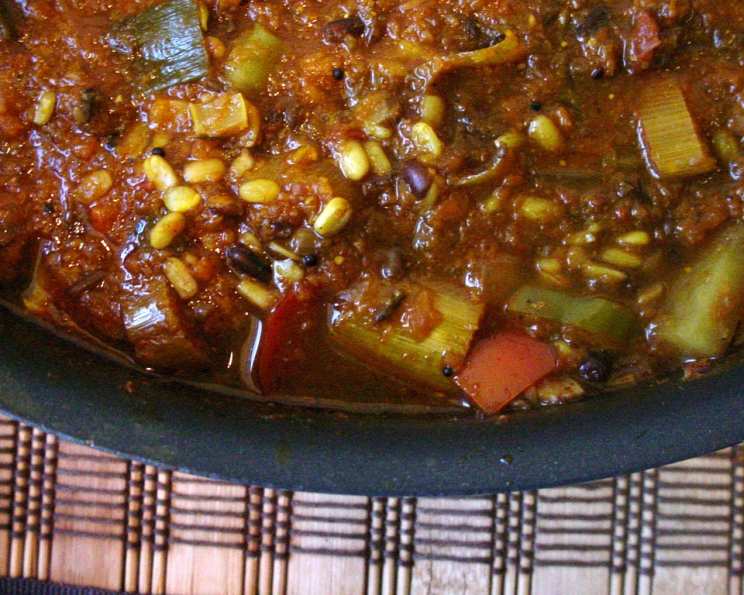
Subru Uncle’s Delicious Spicy South Indian Rasam: A Curry We Cherish
I still remember the first time I tasted Subru Uncle’s rasam. I was a newly arrived culinary student, battling a nasty cold that left me feeling utterly miserable. The aroma alone, a complex blend of spice and warmth, coaxed me from my dorm room. One sip, and I was hooked. The fiery kick of the peppercorns, the soothing tang of tamarind, and the deep, earthy notes – it was an explosion of flavor that somehow managed to comfort and invigorate simultaneously. It wasn’t just a curry; it was a hug in a bowl, a vibrant testament to the healing power of simple, well-crafted food. This recipe isn’t just about following instructions; it’s about capturing that very essence of warmth and well-being.
Recipe Overview
- Prep Time: 20 minutes
- Cook Time: 1 hour 30 minutes
- Total Time: 1 hour 50 minutes
- Servings: 6
- Dietary Type: Vegan, Gluten-Free
Ingredients
- 3 cups water (or boiled toor dal, yellow lentils water, I used the boiled yellow lentils water)
- 5 teaspoons salt
- 6 tablespoons oil
- 2 medium green chilies, slit
- 2 inches fresh ginger, peeled, washed and finely chopped
- 1 garlic clove, peeled, washed and finely chopped
- 5 tablespoons whole black peppercorns
- 1 cup of fresh curry leaf, washed and torn
- 1 teaspoon mustard seeds
- 1 teaspoon cumin seed
- 1 teaspoon fenugreek seeds (methi)
- 3 whole red chilies
- 2 medium tomatoes, washed, peeled and chopped into cubes
- 1/4 cup water (This is to be added to cook the tomatoes)
- 1/2 teaspoon red chili powder
- 2 teaspoons turmeric powder
- 1 1/2 teaspoons coriander powder
- 7 cups water (This is added to prepare the curry for rasam. You can add more or less depending on the consistency)
- 1/2 cup tamarind pulp
- 3 tablespoons fresh coriander leaves, washed and finely chopped (to garnish)
Equipment Needed
- Mortar and pestle
- Large pot or Dutch oven
- Bowl
- Measuring cups and spoons
Instructions
-
Begin by preparing the aromatic base. With the help of a pestle, pound ginger, garlic and whole black peppercorns in a mortar as nicely as you can until the peppercorns are completely crushed and the ginger and garlic are completely softened. This releases their essential oils, creating a depth of flavor that pre-ground spices simply can’t match. Keep this mixture aside.
-
Next, extract the tamarind pulp. Soak 4-5 one-inch sized pieces of tamarind in 1 1/2 cups of hot water. Allow it to sit for at least 15 minutes to soften the tamarind.
-
Press these tamarind pieces to squeeze out the juice/pulp out of the tamarind. You should be able to extract a good amount of thick, tangy pulp.
-
Transfer the tamarind pulp in a clean bowl. Keep aside.
-
Now, heat the oil in a large pot on medium-high flame. A heavy-bottomed pot like a Dutch oven will help distribute the heat evenly.
-
When the oil is hot, add mustard seeds, methi seeds and cumin seeds. The oil is hot enough when the seeds start dancing and popping as soon as they hit the pan.
-
Allow the seeds to splutter and crackle. This process releases their aroma and is crucial for infusing the oil with flavor.
-
Once the spluttering and crackling stops, add the curry leaves and green chilies. Be careful, as the curry leaves may splatter a bit.
-
Stir-fry for a minute or two, until the curry leaves become fragrant and slightly crisp.
-
Then add the whole red chilies and stir-fry for another minute. This adds a subtle smoky heat to the rasam.
-
Add the above prepared ginger-garlic-black peppercorns mixture to the pot.
-
Mix well, ensuring the paste doesn’t stick to the bottom of the pot.
-
Then add turmeric powder, red chili powder and coriander powder. These spices provide color, warmth, and a subtle earthiness.
-
Mix well and continue to stir-fry for 2-3 minutes, allowing the spices to bloom in the hot oil. Keep stirring constantly to prevent the spices from burning.
-
Put the chopped tomatoes in a bowl and crush them as tightly as you can between the palms of your hands. This is a rustic way to release the juices and create a more flavorful base for the rasam.
-
Squeeze them as well as you can to extract the juice/pulp out of them.
-
Now add the crushed tomatoes along with the juice squeezed out.
-
Mix well, add 1/4 cup of water and cook on high flame so as to allow the tomatoes to soften quickly. This step helps break down the tomatoes and release their sweetness.
-
Add salt and mix well.
-
Then add the boiled toor dal water (or 3 cups of plain water if you are using that). Using the boiled lentil water adds a depth of flavor and body to the rasam.
-
Stir well and bring to a boil.
-
Lower flame, then add about 7 cups more of water. You can add up to 3-4 cups more also, if required. The amount of water determines the consistency of the rasam. Adjust it to your liking.
-
Mix well and allow it to boil for 15 minutes. This allows the flavors to meld together beautifully.
-
Then add tamarind pulp and stir well. The tamarind pulp adds a crucial sour note that balances the spiciness and richness of the rasam.
-
Boil for 10-15 more minutes.
-
Garnish with coriander leaves and serve hot as a soup on its own or as a lentil curry to serve over rice with/without plain low-fat yogurt on the side.
Expert Tips & Tricks
- For a richer flavor, consider adding a pinch of asafoetida (hing) along with the mustard seeds.
- If you find the rasam too spicy, add a small piece of jaggery to balance the heat.
- Roasting the spices lightly before grinding them in the mortar and pestle can enhance their aroma.
- Don’t overcook the rasam after adding the tamarind pulp, as it can become bitter.
- If you don’t have fresh curry leaves, you can use dried curry leaves, but reduce the quantity by half. Rehydrate dried leaves in warm water for a few minutes before adding them.
Serving & Storage Suggestions
Subru Uncle’s rasam is best served hot. Ladle it into bowls and garnish generously with fresh coriander leaves. It’s delicious on its own as a warming soup or served over a bed of steaming rice. A dollop of plain yogurt on the side can provide a cooling contrast to the spiciness.
Leftover rasam can be stored in an airtight container in the refrigerator for up to 3 days. Reheat gently on the stovetop or in the microwave before serving. While freezing is not recommended due to potential changes in texture, it can be done. Allow the rasam to cool completely, then transfer it to a freezer-safe container. Thaw overnight in the refrigerator and reheat thoroughly before serving.
Nutritional Information
| Nutrient | Amount per Serving | % Daily Value |
|---|---|---|
| Calories | 175.5 kcal | N/A |
| Calories from Fat | 127g | 73% |
| Total Fat | 14.2 g | 21% |
| Saturated Fat | 1.9 g | 9% |
| Cholesterol | 0 mg | 0% |
| Sodium | 1963.6 mg | 81% |
| Total Carbohydrate | 12.6 g | 4% |
| Dietary Fiber | 2.1 g | 8% |
| Sugars | 8.8 g | 35% |
| Protein | 1.8 g | 3% |
Note: Nutritional information is an estimate and may vary based on specific ingredients and portion sizes.
Variations & Substitutions
- For a milder flavor: Reduce the amount of green chilies and black peppercorns.
- For a richer flavor: Add a tablespoon of ghee (clarified butter) along with the oil.
- Add vegetables: Feel free to add other vegetables like carrots, potatoes, or drumsticks to the rasam.
- Use different lentils: While toor dal (yellow lentils) is traditional, you can experiment with other lentils like moong dal (split green gram). Adjust cooking time accordingly.
- Coconut milk rasam: Add a can of coconut milk during the last 15 minutes of cooking for a creamy and richer variation.
FAQs (Frequently Asked Questions)
Q: Can I make this rasam without tamarind pulp?
A: Tamarind is a key ingredient, contributing to the characteristic sourness. If unavailable, substitute with a small amount of lemon or lime juice, but the flavor won’t be exactly the same.
Q: How do I adjust the consistency of the rasam?
A: Add more water for a thinner consistency or simmer uncovered for a longer time to reduce the liquid.
Q: Can I use pre-ground spices instead of grinding them fresh?
A: While pre-ground spices can be used, the flavor will be significantly better if you grind them fresh. The essential oils in freshly ground spices provide a more intense aroma and flavor.
Q: How long does rasam last in the refrigerator?
A: Properly stored, rasam can last for up to 3 days in the refrigerator.
Q: Is this rasam gluten-free?
A: Yes, this recipe is naturally gluten-free as it doesn’t contain any gluten-containing ingredients.
Final Thoughts
Subru Uncle’s spicy South Indian rasam is more than just a curry; it’s a remedy, a comfort, and a celebration of simple, wholesome ingredients. I urge you to try this recipe and experience the magic for yourself. Feel free to adjust the spice levels to your liking and don’t be afraid to experiment with variations. I’d love to hear your feedback and how you made this rasam your own. Serve it with a side of crispy papadums or a cooling raita for a complete and satisfying meal. Enjoy!