
The Buttermilk Stand-In: A Kitchen Staple You Can Make in Minutes
I remember the first time I tried making Southern fried chicken. I was following my grandmother’s recipe, a cherished heirloom filled with handwritten notes and splattered with years of culinary adventures. The recipe called for soaking the chicken in buttermilk, and I, of course, had none. A frantic call to Grandma resulted in her sharing this simple, yet brilliant trick: a quick way to create a buttermilk substitute using ingredients almost everyone has in their kitchen. It saved my dinner and has been my go-to ever since. This little substitution has unlocked countless baking and frying adventures, and now I’m excited to share it with you.
Recipe Overview
- Prep Time: 1 minute
- Stand Time: 5 minutes
- Total Time: 6 minutes
- Yields: 1 cup
- Dietary Type: Vegetarian
Ingredients
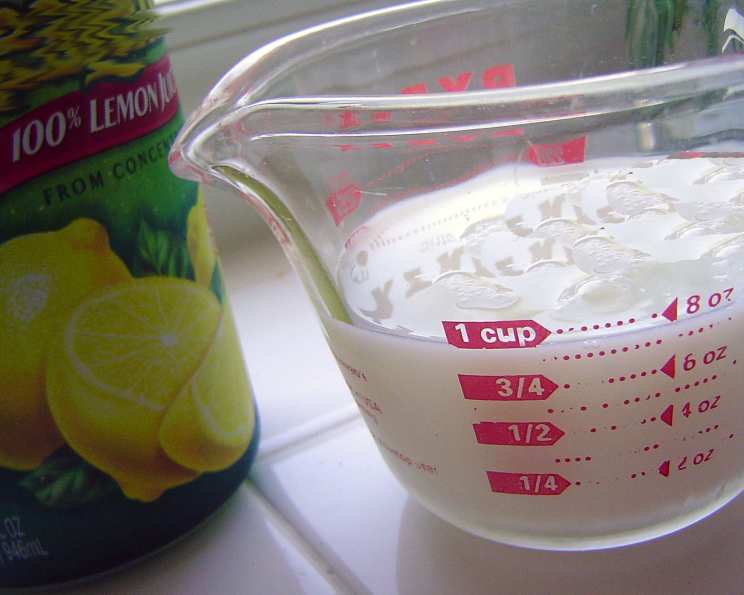
- 1 cup milk (any kind works, but whole milk provides the richest flavor)
- 1 tablespoon lemon juice or 1 tablespoon vinegar (white vinegar or apple cider vinegar are best)
Equipment Needed
- Measuring cup
- Measuring spoon
- Mixing spoon or fork
Instructions
- Measure 1 cup of milk and pour it into your measuring cup or a small bowl.
- Add 1 tablespoon of either lemon juice or vinegar to the milk.
- Gently stir the mixture to combine.
- Let the mixture stand for 5 minutes. You’ll notice it will begin to curdle slightly, which is exactly what you want.
- After 5 minutes, mix the mixture well. It’s now ready to use as a buttermilk substitute in any recipe!
Expert Tips & Tricks
The key to this substitution is patience! Don’t skip the 5-minute resting period. This allows the acid in the lemon juice or vinegar to react with the milk, creating the necessary curdling and thickening that mimics the texture of real buttermilk.
- Milk Choice Matters: While any milk will work, whole milk will produce a richer, more authentic buttermilk substitute. Skim milk will also work, but the resulting substitute will be thinner. You can use non-dairy milk like almond, soy, or oat milk, but keep in mind that the flavor will be slightly different and may affect the final result of your recipe.
- Vinegar Variety: White vinegar and apple cider vinegar are the most neutral-tasting options. Avoid using balsamic vinegar, as its dark color and strong flavor will impact the color and taste of your baked goods.
- Adjusting for Thickness: If you want a thicker buttermilk substitute, you can add a little more lemon juice or vinegar (start with an extra 1/2 teaspoon) and let it stand for a few more minutes.
- Flavor Enhancement: For an extra layer of flavor, consider adding a pinch of salt to the mixture. This will help to balance the acidity and enhance the overall taste.
- Room Temperature is Key: Ensure your milk is at room temperature for optimal curdling. Cold milk might take longer to react with the acid.
Serving & Storage Suggestions
This buttermilk substitute is best used immediately in your recipe. Because it is a freshly made substitute, it does not have the same keeping qualities as store-bought buttermilk.
- Immediate Use: Use the buttermilk substitute as soon as it’s ready in your recipe for the best results.
- Storage (Limited): If you absolutely need to store it, you can keep it in an airtight container in the refrigerator for up to 24 hours. However, it’s best to make it fresh each time for optimal flavor and texture.
- Not Suitable for Drinking: This substitute is designed for cooking and baking purposes and is not intended to be consumed on its own.
Nutritional Information
Please note that the following is an estimated nutritional breakdown and can vary based on the type of milk used.
| Nutrient | Amount per Serving (1 cup) | % Daily Value* |
|---|---|---|
| Calories | 102 kcal | 5% |
| Total Fat | 2.4g | 3% |
| Saturated Fat | 1.5g | 8% |
| Cholesterol | 10mg | 3% |
| Sodium | 127mg | 5% |
| Total Carbohydrate | 12.6g | 5% |
| Dietary Fiber | 0g | 0% |
| Sugars | 12.3g | |
| Protein | 8.1g | 16% |
| Vitamin D | 2.5 mcg | 13% |
| Calcium | 276mg | 21% |
| Iron | 0.1mg | 1% |
| Potassium | 322mg | 7% |
*Percent Daily Values are based on a 2,000 calorie diet.
Variations & Substitutions
This recipe is a fantastic base for adaptation! Here are a few ideas:
- Vegan Buttermilk: Use unsweetened almond milk, soy milk, or oat milk in place of dairy milk. The results will vary slightly depending on the milk, but it will still work effectively.
- Coconut Milk Buttermilk: For a tropical twist, use full-fat coconut milk. This will add a subtle coconut flavor to your baked goods.
- Herbed Buttermilk: Infuse the buttermilk substitute with fresh herbs like rosemary, thyme, or dill for savory applications like marinades or dressings. Simply add the herbs to the milk along with the lemon juice or vinegar and let it steep for the full 5 minutes. Strain before using.
- Spiced Buttermilk: Add a pinch of spices like cinnamon, nutmeg, or cardamom for a warm and comforting flavor. This works particularly well in pancakes or muffins.
- Brown Sugar Buttermilk: Instead of regular granulated sugar, add brown sugar for a caramel-like flavor.
FAQs (Frequently Asked Questions)
Q: Why does the milk need to sit for 5 minutes?
A: The resting period allows the acid (from the lemon juice or vinegar) to react with the milk proteins, causing it to curdle and thicken, mimicking the texture of real buttermilk.
Q: Can I use this substitute in any recipe that calls for buttermilk?
A: Yes, this substitute is designed to work in any recipe that requires buttermilk, whether it’s for baking cakes, making pancakes, or marinating chicken.
Q: What if I don’t have lemon juice or vinegar?
A: While lemon juice and vinegar are the most common options, you can also use other acidic ingredients like cream of tartar (use 1 3/4 teaspoons per cup of milk) or even a splash of pickle juice in a pinch!
Q: Does the type of milk I use matter?
A: Yes, the type of milk can affect the final result. Whole milk will create a richer, thicker substitute, while skim milk will be thinner. Non-dairy milk will also work, but may alter the flavor slightly.
Q: Can I make a large batch of this ahead of time?
A: While you can store it in the refrigerator for up to 24 hours, it’s best to make it fresh each time for the best flavor and texture. The reaction between the acid and milk is most effective when freshly made.
Final Thoughts
Now that you have this simple trick up your sleeve, you’ll never be caught without buttermilk again! It’s a kitchen essential that opens up a world of baking and cooking possibilities. So, go ahead, whip up some fluffy pancakes, tender fried chicken, or a decadent cake. Don’t be afraid to experiment with variations and share your creations with friends and family. And please, let me know how it turns out for you! I always love hearing about your culinary adventures. Cheers to deliciousness!