
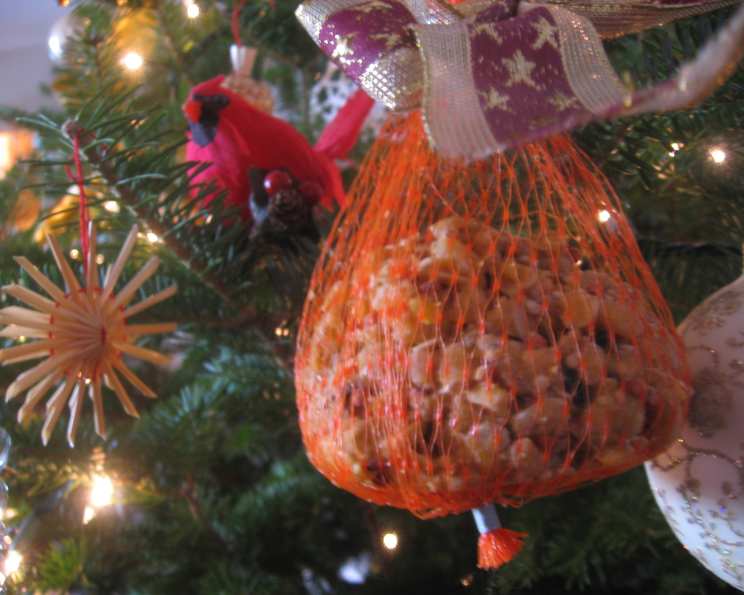
Christmas Suet Balls: A Festive Feast for Your Feathered Friends
I remember as a child, the anticipation of Christmas morning was matched only by the joy of watching the birds outside our frosted kitchen window. My grandmother, a woman whose hands knew the language of the earth, would always prepare these suet balls. They weren’t just bird feeders; they were edible ornaments, miniature feasts hung from the branches of our snow-dusted fir tree. The robins, chickadees, and nuthatches would flit and flutter, their vibrant colors a stark contrast against the white landscape. It was a tradition that connected us to nature, a quiet celebration of life amidst the winter stillness, and I’m excited to share it with you now.
Recipe Overview
- Prep Time: 10 minutes
- Cook Time: 0 minutes
- Total Time: 10 minutes
- Servings: Variable
- Yields: About 5 suet balls, depending on size
- Dietary Type: Animal Fat
Ingredients
- 1 cup melted beef suet, slightly chilled
- 1 cup crunchy peanut butter
- 1 cup rolled oats
- 1 cup cornmeal
- 1 cup mixed wild bird seed
Equipment Needed
- Large mixing bowl
- Mixing spoon or spatula
- String or twine
- Optional: Wire cutters (if using wire for hanging)
Instructions
-
Begin by gently melting the beef suet. It’s important not to overheat it; a low and slow melt is ideal. You want it just liquid enough to incorporate with the other ingredients. Let it cool slightly so that it’s still liquid but beginning to solidify. This will make handling the mixture easier.
-
In a large mixing bowl, combine the slightly chilled melted beef suet and the crunchy peanut butter. The peanut butter adds protein and a flavor that birds love, but it also acts as a binder, helping the suet balls hold their shape. Mix these two ingredients together thoroughly until they are well combined.
-
Add the rolled oats, cornmeal, and mixed wild bird seed to the bowl. The oats provide fiber and carbohydrates, the cornmeal adds a bit of texture, and the bird seed is, of course, the main attraction for your feathered guests.
-
Mix all the ingredients together until they are evenly distributed. The mixture should be quite stiff but still pliable. If it seems too dry, you can add a tablespoon or two of melted suet. If it’s too wet, add a bit more cornmeal or oats.
-
Form the mixture into balls using your hands. The size of the balls is up to you, but about the size of a tennis ball is a good starting point. As you form each ball, create a loop with a piece of string or twine and embed the ends securely into the center of the ball. This loop will be used to hang the suet ball from a tree branch. Make sure the loop is firmly anchored, or it might pull out when the birds start feeding.
-
As a christmas decoration ad a red ribbon wired to the top of the ball.
-
Place the finished suet balls on a sheet of parchment paper and allow them to harden completely in the refrigerator. This usually takes a few hours. The chilling process will help the suet solidify and prevent the balls from falling apart.
-
Once the suet balls are firm, they are ready to be hung outside for the birds to enjoy.
Expert Tips & Tricks
-
Suet Quality: The quality of the beef suet matters. Try to source it from a local butcher for the freshest, highest-quality product.
-
Peanut Butter Consistency: Use standard, creamy or crunchy peanut butter. Avoid peanut butter with added sugars or artificial sweeteners, as these are not healthy for birds.
-
Seed Variety: Experiment with different types of bird seed to attract a wider variety of birds to your yard. Sunflower seeds, nyjer seeds, and millet are all popular choices.
-
Temperature Control: The temperature of the melted suet is critical. If it’s too hot, it will melt the peanut butter and create a greasy mess. If it’s too cold, it will be difficult to mix with the other ingredients.
-
Handling: Wear gloves when forming the suet balls, as the mixture can be quite sticky.
-
Storage: Store extra suet balls in the refrigerator or freezer to prevent them from melting in warm weather.
Serving & Storage Suggestions
Hang the suet balls in trees or shrubs where birds have plenty of places to perch. Fir and spruce trees create a particularly festive look, especially when adorned with a red ribbon. The suet balls can also be placed in wire cages specifically designed for suet feeders.
Suet balls will last for several weeks in cool weather. In warmer weather, they may soften or melt, so it’s best to store them in the refrigerator or freezer until needed. If the suet balls become rancid or moldy, discard them immediately.
Nutritional Information
Please note that the exact nutritional content can vary based on the specific ingredients used.
| Nutrient | Amount per Serving (Estimate) |
|---|---|
| Calories | 250-350 kcal |
| Total Fat | 20-30g |
| Saturated Fat | 10-15g |
| Cholesterol | 10-20mg |
| Sodium | 50-100mg |
| Total Carbohydrate | 15-25g |
| Dietary Fiber | 5-10g |
| Sugar | 2-5g |
| Protein | 5-10g |
Variations & Substitutions
- Vegetarian Option: While traditional suet balls use beef suet, you can create a vegetarian version by using vegetable shortening or coconut oil as a substitute. Keep in mind that these substitutes may not be as appealing to all birds.
- Nut-Free Option: If you’re concerned about allergies, you can omit the peanut butter and replace it with sunflower seed butter or tahini.
- Spice It Up: Add a pinch of cayenne pepper to the suet ball mixture to deter squirrels from eating them. Birds are not sensitive to capsaicin, the compound that makes peppers spicy, but squirrels are.
- Seasonal Variations: In the fall, add dried cranberries or chopped apples to the suet ball mixture. In the winter, add extra seeds and nuts to provide birds with a high-energy food source.
FAQs (Frequently Asked Questions)
Q: Why use beef suet in bird feeders?
A: Beef suet is a high-energy food source that is especially beneficial to birds during the winter months when natural food sources are scarce. It provides them with the fat they need to stay warm and active.
Q: Can I use lard instead of beef suet?
A: Lard can be used as a substitute for beef suet, but it is generally not as nutritious. Beef suet is richer in fat and other essential nutrients.
Q: How do I keep squirrels from eating the suet balls?
A: Adding cayenne pepper to the suet ball mixture is an effective way to deter squirrels without harming the birds. You can also use a squirrel-resistant suet feeder, which has a cage or baffle that prevents squirrels from reaching the suet.
Q: How often should I replace the suet balls?
A: Replace the suet balls as needed, depending on how quickly the birds are eating them and the weather conditions. In cold weather, the suet balls will last longer than in warm weather.
Q: Are suet balls safe for all types of birds?
A: Suet balls are generally safe for most types of birds, but it’s always a good idea to observe the birds in your yard and see which ones are attracted to the suet balls. Some birds may prefer other types of food.
Final Thoughts
Creating these Christmas suet balls is more than just a recipe; it’s a way to connect with nature and share the spirit of the season with our feathered friends. Gather your ingredients, invite your family to join in the fun, and create these edible ornaments that will bring joy to both you and the birds. Hang them on your Christmas tree outdoors, and watch as the birds flock to your yard for a festive feast. Don’t hesitate to experiment with variations and substitutions to create your own unique suet ball recipe. Happy bird feeding, and Merry Christmas!