
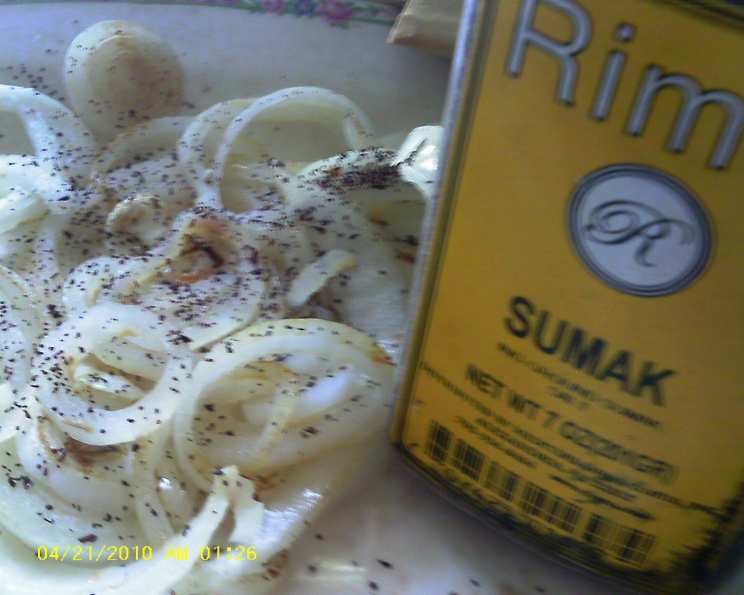
Sumac Onions: A Tangy Taste of the Middle East
The first time I tasted sumac onions, it was in a bustling Tel Aviv market, stuffed into a warm pita with falafel and tahini. The vibrant red onions, with their tangy, almost citrusy bite, were a revelation. They cut through the richness of the falafel perfectly, adding a layer of complexity that elevated the entire experience. It was a simple pleasure, but one that transported me, and ever since, I’ve been recreating that magic in my own kitchen. Now, I’m thrilled to share this recipe with you, so you too can easily add a touch of Middle Eastern sunshine to your meals.
Recipe Overview
- Prep Time: 10 minutes
- Cook Time: 0 minutes
- Total Time: 10 minutes
- Servings: 4-6
- Yield: 2 cups
- Dietary Type: Vegan, Gluten-Free
Ingredients
- 2 large sweet onions
- 1 1/2 teaspoons ground sumac
Equipment Needed
- Sharp knife or mandoline
- Mixing bowl
Instructions
-
Begin by peeling the onions. The type of onion matters; sweet onions like Vidalia or Walla Walla will provide the best flavor profile. Their inherent sweetness balances the tanginess of the sumac beautifully.
-
Next, slice the onions as thinly as possible. Paper-thin slices are ideal because they absorb the sumac better and offer a more delicate texture. Use a sharp knife or, for uniform slices, consider using a mandoline. Handle the mandoline with care to avoid injury.
-
In a mixing bowl, toss the sliced onions with the ground sumac. Ensure the sumac is evenly distributed, coating each onion slice with its crimson hue. The sumac should cling to the slightly moist surface of the freshly sliced onions.
-
Let the mixture sit for at least 10 minutes before serving. This allows the sumac to fully infuse the onions, mellowing their sharpness and intensifying their flavor. The longer they sit, the more flavorful they become.
-
Serve immediately or store for later use.
Expert Tips & Tricks
- Onion Variety Matters: While sweet onions are recommended, red onions can be used in a pinch. However, they will have a more pungent flavor, so you might want to soak them in ice water for 15 minutes before slicing to mellow their bite.
- Sumac Sourcing: Sumac quality can vary. Look for a vibrant red color, which indicates freshness and potency. If you can find sumac berries, grinding them yourself will yield the most flavorful result.
- Mellowing the Onions: For an even milder flavor, you can briefly massage the sliced onions with a pinch of salt before adding the sumac. This helps to break down the cell walls and release some of the onion’s sharpness.
- Infusion Time: While 10 minutes is a minimum, letting the sumac onions sit for up to an hour will significantly enhance their flavor. Just be sure to store them in the refrigerator if they’re sitting for an extended period.
- Flavor Boost: A drizzle of good-quality olive oil can add richness and depth to the sumac onions. A squeeze of fresh lemon juice can also brighten the flavor even further.
Serving & Storage Suggestions
Sumac onions are incredibly versatile. They make a fantastic topping for Middle Eastern-inspired sandwiches like falafel or shawarma, but their tangy flavor also complements grilled meats, roasted vegetables, and even simple salads.
To store leftovers, keep them in an airtight container in the refrigerator for up to 3 days. The onions will become slightly softer over time, but the flavor will remain delicious. They are best served cold or at room temperature. I do not recommend freezing sumac onions, as freezing will affect the texture considerably.
Nutritional Information
| Nutrient | Amount per Serving | % Daily Value |
|---|---|---|
| Calories | 60 kcal | 3% |
| Total Fat | 0.1g | 0% |
| Saturated Fat | 0.1g | 0% |
| Cholesterol | 0mg | 0% |
| Sodium | 6mg | 0% |
| Total Carbohydrate | 14g | 4% |
| Dietary Fiber | 2.5g | 10% |
| Sugars | 6.4g | 25% |
| Protein | 1.6g | 3% |
Note: Nutritional information is an estimate and may vary based on specific ingredients and serving sizes.
Variations & Substitutions
- Sumac Substitute: If you can’t find sumac, you can create a similar flavor by combining a pinch of paprika, a dash of cayenne pepper, and a squeeze of lemon juice. While not identical, it will provide a tangy, slightly spicy kick.
- Sweetness Adjustment: If you prefer a sweeter onion, you can add a teaspoon of honey or maple syrup to the mixture. This will further balance the tanginess of the sumac.
- Herb Infusion: For an extra layer of flavor, try adding finely chopped fresh herbs like parsley, mint, or cilantro to the sumac onion mixture.
- Spicy Kick: If you enjoy a bit of heat, add a pinch of red pepper flakes to the onions.
- Pickled Sumac Onions: For a longer-lasting version, create a quick pickle by combining the sumac onions with a mixture of equal parts white vinegar and water, along with a pinch of sugar and salt. Let them sit in the refrigerator for at least 24 hours before serving.
FAQs (Frequently Asked Questions)
Q: What type of onion works best for this recipe?
A: Sweet onions, such as Vidalia or Walla Walla, are ideal because their mild flavor complements the tanginess of the sumac beautifully. Red onions can also be used, but they will have a stronger, more pungent flavor.
Q: Can I make this recipe ahead of time?
A: Yes, sumac onions can be made up to 3 days in advance. Store them in an airtight container in the refrigerator. The flavor will intensify over time.
Q: Where can I find sumac?
A: Sumac can be found in Middle Eastern grocery stores, spice shops, and sometimes in well-stocked regular grocery stores. You can also purchase it online.
Q: Can I use dried sumac berries instead of ground sumac?
A: Yes, you can use dried sumac berries. Grind them finely using a spice grinder or mortar and pestle before adding them to the onions. Freshly ground sumac will have a more intense flavor.
Q: What are some other uses for sumac?
A: Sumac is a versatile spice that can be used to season meats, vegetables, salads, and dips. It’s also a key ingredient in za’atar, a popular Middle Eastern spice blend.
Final Thoughts
Sumac onions are more than just a condiment; they’re a vibrant expression of Middle Eastern flavors, brought to life with simple ingredients and minimal effort. I encourage you to experiment with this recipe, adjusting the sweetness, spice level, and herbs to create your own unique version. Whether you’re topping a falafel sandwich, grilling up some lamb, or simply looking for a flavorful addition to your salad, sumac onions are sure to add a burst of tangy deliciousness. Share your creations and feedback – I’d love to hear how you make this recipe your own!