
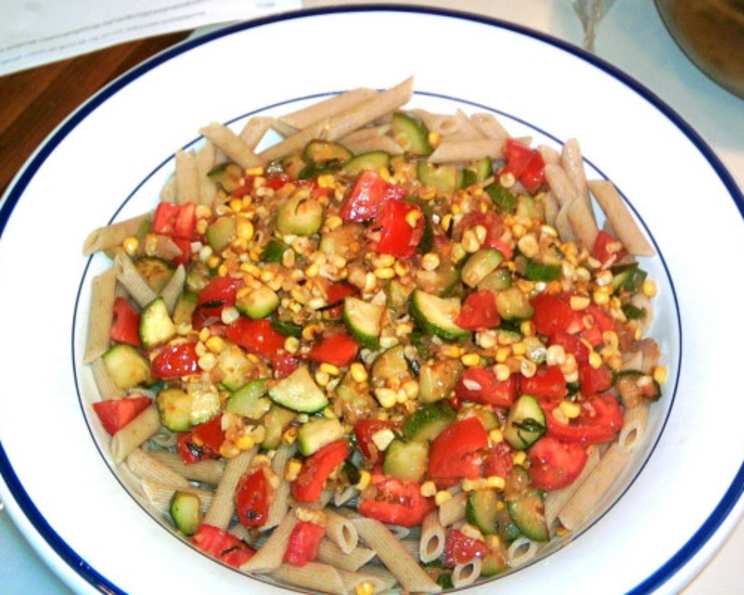
Summer Pasta: A Symphony of Seasonal Flavors
Some of my fondest childhood memories are entwined with the vibrant flavors of summer. I can almost feel the warmth of the sun on my skin as I recall my grandmother’s garden overflowing with ripe tomatoes, fragrant basil, and ears of sweet corn. She would often whip up a simple yet exquisite pasta dish, bursting with these fresh ingredients, that captured the essence of the season. This recipe reminds me of those joyful, sun-drenched days, and I’m thrilled to share it with you.
Recipe Overview
- Prep Time: 15 minutes
- Cook Time: 20 minutes
- Total Time: 35 minutes
- Servings: 4
- Dietary Type: Vegetarian
Ingredients
- 3 tablespoons extra virgin olive oil (or 2 tablespoons oil and 1 tablespoon butter)
- 1 cup corn kernels (from 2 or 3 ears)
- 1 cup diced zucchini or 1 cup summer squash (from 2 or 3 small vegetables)
- 1 medium onion or 3-4 shallots, diced
- ¼ teaspoon minced garlic, to taste
- 1-2 sprigs tarragon
- 4 plum tomatoes or 2 large tomatoes, diced
- 1 lb cut pasta (like penne)
- Salt and pepper to taste
- Grated parmesan cheese, optional
Equipment Needed
- Large pot
- Large skillet
- Colander
Instructions
-
Begin by setting a large pot of water to boil. Once boiling vigorously, add a generous amount of salt. This is crucial for seasoning the pasta properly from the inside out.
-
While the water is heating, prepare the vegetable base for your sauce. Heat 2 tablespoons of the olive oil in a large skillet over medium-high heat. If you desire a richer flavor, you can substitute 1 tablespoon of the oil with butter.
-
Add the corn kernels to the hot skillet. Cook, stirring occasionally to prevent burning, until the corn begins to brown and slightly caramelize, about 5-7 minutes. This step develops a wonderful sweetness.
-
Introduce the diced zucchini (or summer squash) to the skillet, along with a pinch of salt and pepper. Continue to cook, stirring occasionally, until the zucchini also begins to brown and soften, approximately 5 minutes.
-
Add the diced onion or shallots and the minced garlic to the pan. Cook, stirring frequently, until the onion becomes translucent and softens, around 5 minutes. Be careful not to burn the garlic, as it can become bitter.
-
Next, add the tarragon sprigs to the skillet. Cook for about 30 seconds, allowing the aromatic oils to infuse the vegetables with their distinctive flavor.
-
Incorporate the diced tomatoes into the mixture. Stir well to combine.
-
Now, add the pasta to the boiling, salted water. Cook according to package directions until the pasta is al dente – tender but still firm to the bite, typically 10-15 minutes.
-
While the pasta is cooking, continue to cook the sauce. Reduce the heat to medium-low as the tomatoes begin to break down and release their juices. Stir occasionally.
-
As the sauce simmers, monitor its consistency. If the sauce becomes too dry (which is likely with plum tomatoes), add some of the pasta cooking water, about ½ cup at a time, to thin it out and create a luscious emulsion. The starchy water helps the sauce cling to the pasta.
-
Once the pasta is cooked to al dente, drain it well in a colander, reserving some of the pasta cooking water.
-
Immediately toss the drained pasta with the prepared sauce in the skillet. Add the remaining olive oil (or butter) and toss again to ensure the pasta is well coated. Add a little more pasta water if needed to achieve your desired sauce consistency.
-
Serve the pasta immediately, garnished with grated parmesan cheese, if desired.
Expert Tips & Tricks
- Maximize Flavor: Roasting the corn before adding it to the pan enhances its sweetness and adds a smoky depth to the sauce. Simply roast the corn on the cob in a 400°F (200°C) oven for about 20 minutes, or until lightly browned, before cutting off the kernels.
- Herb Infusion: For a more intense tarragon flavor, steep the tarragon sprigs in a little olive oil beforehand.
- Acid Balance: If the sauce tastes too sweet, add a splash of balsamic vinegar or lemon juice to brighten the flavors.
- Pasta Perfection: Always salt your pasta water generously. It should taste like the sea!
- Make-Ahead Tip: You can prepare the vegetable sauce a day in advance and store it in the refrigerator. Reheat it gently before tossing with the cooked pasta.
Serving & Storage Suggestions
Serve this Summer Pasta immediately for the best flavor and texture. Garnish with fresh basil leaves, a drizzle of extra virgin olive oil, and a generous grating of Parmesan cheese (if using). A side of crusty bread is perfect for soaking up the flavorful sauce.
Leftovers can be stored in an airtight container in the refrigerator for up to 3 days. Reheat gently in a skillet over low heat, adding a splash of water or broth if needed to prevent drying. While freezing is not recommended due to the pasta’s texture potentially becoming mushy, if you must freeze, ensure the pasta is slightly undercooked initially.
Nutritional Information
| Nutrient | Amount per Serving | % Daily Value |
|---|---|---|
| Calories | 550 kcal | 28% |
| Total Fat | 20g | 31% |
| Saturated Fat | 5g | 25% |
| Cholesterol | 10mg | 3% |
| Sodium | 150mg | 7% |
| Total Carbohydrate | 80g | 27% |
| Dietary Fiber | 8g | 32% |
| Sugars | 10g | – |
| Protein | 15g | 30% |
Variations & Substitutions
- Gluten-Free: Use your favorite gluten-free pasta for a gluten-free option.
- Vegan: Omit the butter and Parmesan cheese. You can also add a tablespoon of nutritional yeast for a cheesy flavor.
- Spicy: Add a pinch of red pepper flakes to the skillet along with the garlic for a touch of heat.
- Seasonal Vegetables: Feel free to substitute other seasonal vegetables such as bell peppers, cherry tomatoes, or asparagus.
- Protein Boost: Add grilled chicken, shrimp, or sausage to the pasta for a heartier meal.
FAQs (Frequently Asked Questions)
Q: Can I use frozen corn?
A: Yes, you can use frozen corn if fresh corn is not available. Just be sure to thaw it before adding it to the skillet.
Q: What if I don’t have tarragon?
A: If you don’t have tarragon, you can substitute it with other fresh herbs such as basil or oregano.
Q: Can I make this pasta ahead of time?
A: While it’s best served fresh, you can make the sauce ahead of time and store it in the refrigerator for up to 2 days.
Q: How do I prevent the pasta from sticking together?
A: Be sure to cook the pasta in plenty of boiling, salted water. Don’t overcook it, and toss it immediately with the sauce after draining.
Q: Can I add cheese other than Parmesan?
A: Absolutely! Pecorino Romano, Asiago, or even a sprinkle of fresh mozzarella would be delicious additions.
Final Thoughts
This Summer Pasta recipe is a celebration of fresh, seasonal ingredients, offering a delightful taste of summer in every bite. It’s incredibly versatile and easy to adapt to your preferences and what’s available at your local farmers market. So, gather your ingredients, embrace the vibrant flavors, and create a memorable meal that will transport you to sun-drenched gardens and joyful gatherings. Don’t hesitate to experiment with different vegetables, herbs, and cheeses to create your own unique twist on this classic dish. Enjoy, and please share your creations with me!