
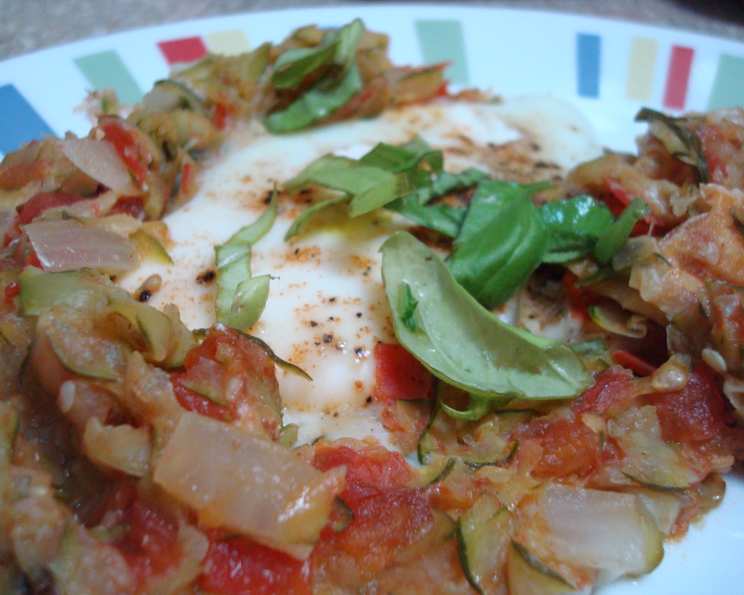
Summer Squash With Eggs: A Sunny Skillet Delight
The aroma of sautéed shallots and garlic still takes me back to my tiny Brooklyn kitchen. Sunlight streamed through the window as I experimented with a surplus of summer squash from my CSA. The goal was simple: a satisfying brunch using whatever I had on hand. This vibrant summer squash with eggs was born that day, a dish so comforting and flavorful it became a weekend staple. I remember the joy of dipping crusty bread into the runny yolks, a perfect symphony of textures and tastes that brightened even the rainiest mornings.
Recipe Overview
- Prep Time: 15 minutes
- Cook Time: 30 minutes
- Total Time: 45 minutes
- Servings: 4
- Yield: 1 skillet dish
- Dietary Type: Vegetarian
Ingredients
- 2 lbs summer squash, unpeeled (zucchini, yellow or crookneck squash, pattypan, etc.)
- 1 tablespoon kosher salt, plus more for sprinkling
- 2 tablespoons olive oil, divided
- 2 shallots, sliced
- 2 garlic cloves, minced
- 1⁄4 teaspoon smoked paprika, plus more for sprinkling
- 1⁄2 lb tomatoes, chopped
- 4 ounces soft fresh goat cheese (chevre, for example)
- 1⁄4 cup loosely packed chiffonade basil, plus more for garnish
- 4 eggs
- Fresh cracked black pepper
Equipment Needed
- Large skillet (preferably oven-safe or with a lid)
- Colander
- Box grater or food processor (optional, for Version #1)
- Small bowl
Instructions
We’ll explore two delicious ways to prepare the summer squash for this dish. Choose whichever method best suits your preference and available equipment.
VERSION #1: Grated Squash
-
Trim the ends off the squash and grate using a box grater or a food processor with the grating attachment.
-
Combine the grated squash with 1 tablespoon kosher salt in a colander and let drain in the sink for 30 minutes. This step is crucial for removing excess moisture and preventing a soggy final dish. The salt draws out the water, resulting in a more concentrated squash flavor.
-
After 30 minutes, squeeze as much liquid as possible from the grated squash. Use your hands or a clean kitchen towel to really press out the moisture.
-
In a skillet, heat 2 tablespoons olive oil over medium heat.
-
Add the squeezed squash to the skillet along with the tomatoes.
-
Cook, stirring occasionally, until the mixture is tender and no longer releasing liquid, about 10 minutes. Be patient and allow the excess water to evaporate.
VERSION #2: Diced Squash
-
Trim the ends off the squash. Dice the unpeeled summer squash into 1/2″ cubes. If using zucchini and crookneck squash, cut them into 1″ slices. This variation offers a heartier, more textured result.
-
In a skillet, heat 2 tablespoons olive oil over medium heat.
-
Add the diced summer squash to the pan and sauté until lightly browned, about 5 minutes. Light browning adds depth of flavor to the squash.
-
Next add the shallots, garlic, and smoked paprika and cook, stirring, until just tender and fragrant. Be careful not to burn the garlic; it should become aromatic within a minute or two.
-
Reduce heat to medium-low then stir in the tomatoes.
-
Cook, stirring occasionally, until the mixture is tender and no longer releasing liquid, about 8-10 minutes. If the mixture starts to dry out too much, reduce the heat further. The goal is to soften the tomatoes and allow their juices to mingle with the squash.
Finishing the Dish (Both Versions)
-
Remove skillet from heat and stir in 1/4 cup of the basil. The fresh basil adds a bright, herbaceous note.
-
Smooth the mixture evenly in the skillet and make four wells using the back of a spoon. These wells will hold the eggs.
-
Pour 1/2 teaspoon olive oil in each well. This helps prevent the eggs from sticking and adds richness.
-
One at a time, crack an egg into a small bowl and pour into one of the wells. Cracking the eggs into a bowl first allows you to inspect them for shells or imperfections before adding them to the skillet.
-
Sprinkle salt, pepper, and smoked paprika over each egg. Seasoning each egg individually ensures balanced flavor.
-
Arrange small bits of the goat cheese around and in between the eggs. The goat cheese adds a tangy, creamy element that complements the sweetness of the squash.
-
Cover and cook over low-medium heat until egg whites are set and yolks are still soft, about 10 minutes. The cooking time will vary depending on the heat and your desired yolk consistency. Check the eggs after 5 minutes to monitor their progress.
-
Garnish with remaining basil and serve with crusty bread.
Expert Tips & Tricks
- Spice it up: Add a pinch of red pepper flakes to the squash mixture for a subtle kick.
- Make it ahead: The squash mixture can be prepared a day in advance and stored in the refrigerator. Simply reheat it in the skillet before adding the eggs.
- Cheese variations: Feel free to experiment with different cheeses. Feta, ricotta, or even a sprinkle of parmesan would all be delicious.
- Don’t overcook the eggs: The key to this dish is the runny yolks. Remove the skillet from the heat as soon as the whites are set, even if the yolks are still a bit jiggly. They will continue to cook slightly from the residual heat.
Serving & Storage Suggestions
Serve this dish immediately while the eggs are still warm and the yolks are runny. Crusty bread is a must for soaking up all the delicious juices. A simple green salad and lightly seasoned black beans also make a wonderful accompaniment, offering a complete and balanced meal. You could also serve the squash and eggs over raw greens for a lighter option.
Leftovers can be stored in an airtight container in the refrigerator for up to 2 days. Reheat gently in a skillet over low heat or in the microwave. Be aware that the egg yolks will likely become fully cooked upon reheating.
Nutritional Information
| Nutrient | Amount per Serving | % Daily Value |
|---|---|---|
| Calories | 284 kcal | N/A |
| Total Fat | 20.3g | 31% |
| Saturated Fat | 7.1g | 35% |
| Cholesterol | 199.1mg | 66% |
| Sodium | 1928.8mg | 80% |
| Total Carbohydrate | 12.8g | 4% |
| Dietary Fiber | 3.3g | 13% |
| Sugars | 7g | N/A |
| Protein | 15.2g | 30% |
Note: Nutritional information is an estimate and may vary depending on specific ingredients and portion sizes.
Variations & Substitutions
- Dairy-Free: Omit the goat cheese or substitute with a dairy-free cream cheese alternative. Nutritional yeast can add a cheesy flavor.
- Vegan: Substitute the eggs with crumbled tofu or a chickpea flour batter.
- Add Vegetables: Bell peppers, mushrooms, or spinach would all be great additions to the squash mixture.
- Herbs: Experiment with different herbs such as oregano, thyme, or parsley.
- Spicy: Add a pinch of red pepper flakes or a dash of hot sauce for some heat.
FAQs (Frequently Asked Questions)
Q: Can I use frozen squash for this recipe?
A: While fresh squash is ideal, frozen squash can be used in a pinch. Be sure to thaw it completely and squeeze out as much excess moisture as possible before adding it to the skillet.
Q: How do I prevent the eggs from overcooking?
A: The key is to cook the eggs over low heat and monitor them closely. Remove the skillet from the heat as soon as the whites are set, even if the yolks are still a bit runny.
Q: Can I make this dish ahead of time?
A: The squash mixture can be prepared a day in advance and stored in the refrigerator. However, the eggs should be cooked just before serving for the best results.
Q: What if I don’t have goat cheese?
A: Feta, ricotta, or cream cheese are all good substitutes for goat cheese.
Q: Can I bake this dish in the oven?
A: Yes, you can bake this dish in a preheated oven at 350°F (175°C) until the egg whites are set, about 10-15 minutes. Be sure to use an oven-safe skillet.
Final Thoughts
This summer squash with eggs is more than just a recipe; it’s an invitation to embrace the simplicity and abundance of seasonal ingredients. Don’t be afraid to experiment with different variations and substitutions to create a dish that perfectly reflects your own tastes and preferences. I encourage you to try this recipe and share your creations with friends and family. It pairs beautifully with a crisp white wine or a refreshing iced tea. Bon appétit!