
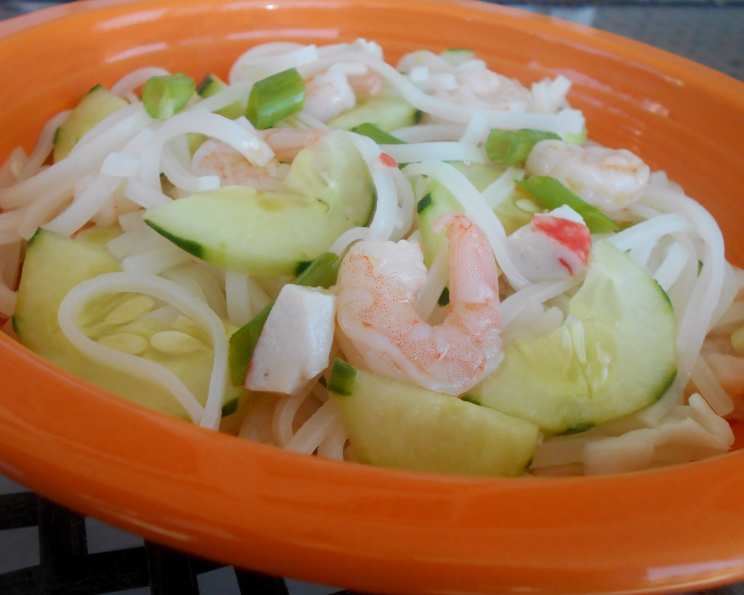
Sunomono Salad: A Taste of Japanese Refreshment
The first time I tasted Sunomono salad, I was wandering through a bustling Tokyo marketplace, overwhelmed by the sensory explosion of sights and smells. A tiny stall, tucked between a fishmonger and a tea shop, offered small bowls of glistening, translucent noodles. The vendor, a kind-faced woman with a warm smile, urged me to try a bite. The moment the cool, tangy salad touched my tongue, a wave of refreshing flavor washed over me, cutting through the humid air and revitalizing my senses. That simple, perfect bite ignited my passion for Japanese cuisine, and Sunomono has held a special place in my heart ever since.
Recipe Overview
- Prep Time: 15 minutes
- Cook Time: 3-4 minutes
- Total Time: 18-19 minutes
- Servings: 4
- Dietary Type: Gluten-Free (check soy sauce), Dairy-Free
Ingredients
Marinade:
- ½ cup rice vinegar (not seasoned)
- 3 tablespoons granulated sugar
- ¼ teaspoon salt
- 1 tablespoon sake
- 1 dash soy sauce
- ¼ teaspoon grated gingerroot
Salad:
- ¼ lb shrimp (cooked)
- ¼ lb crabmeat (or artificial crab)
- ½ cucumber, thinly sliced
- 250 g thin rice noodles (harasume)
- 2 green onions, sliced on a sharp diagonal
Equipment Needed
- Large pot
- Colander
- Mixing bowl
- Measuring cups and spoons
Instructions
-
Prepare the marinade: In a mixing bowl, combine the ½ cup rice vinegar, 3 tablespoons granulated sugar, ¼ teaspoon salt, 1 tablespoon sake, 1 dash soy sauce, and ¼ teaspoon grated gingerroot. Whisk the ingredients together until the sugar and salt are completely dissolved. Set the marinade aside.
-
Cook the noodles: Bring a pot of water to a rolling boil. Add the 250g of thin rice noodles (harasume) to the boiling water. Stir the noodles gently for 3-4 minutes, or until they are cooked through and translucent. Be careful not to overcook them, as they can become mushy.
-
Cool the noodles: Drain the cooked noodles in a colander. Immediately rinse them under cold running water to stop the cooking process. This also helps to remove excess starch and prevent the noodles from sticking together. Ensure you drain as much water as possible from the noodles. You can gently press them in the colander to remove excess moisture.
-
Combine the ingredients: In a large mixing bowl, combine the cooked and cooled rice noodles, ¼ lb cooked shrimp, ¼ lb crabmeat (or artificial crab), ½ cucumber (thinly sliced), and 2 green onions (sliced on a sharp diagonal).
-
Marinate and chill: Pour the prepared marinade over the noodle mixture in the bowl. Toss gently to ensure all the ingredients are evenly coated with the marinade. Cover the bowl tightly with plastic wrap or transfer to an airtight container. Refrigerate the salad for at least 1-2 hours to allow the flavors to meld together. The longer it marinates, the more flavorful it will become.
-
Serve: Remove the Sunomono salad from the refrigerator. Serve cold in individual bowls.
Expert Tips & Tricks
- Make-Ahead Tip: The marinade can be prepared up to 2 days in advance and stored in the refrigerator. The cucumber can also be sliced ahead of time, but it’s best to add it to the salad just before marinating to prevent it from becoming too soft.
- Noodle Perfection: To prevent the rice noodles from sticking together, add a teaspoon of sesame oil to the noodles after draining and rinsing them. Toss gently to coat.
- Flavor Boost: For a more intense ginger flavor, use freshly grated ginger instead of pre-ground.
- Adjusting Sweetness and Acidity: Taste the marinade before adding it to the salad and adjust the sugar and rice vinegar to your liking. Some people prefer a sweeter salad, while others prefer a more tangy one.
- Presentation Matters: Garnish the salad with a sprinkle of sesame seeds or a few sprigs of fresh cilantro for an elegant presentation.
Serving & Storage Suggestions
Sunomono salad is best served chilled as a refreshing appetizer or side dish. It pairs wonderfully with sushi, grilled fish, or other Japanese dishes.
Storage: Leftover Sunomono salad should be stored in an airtight container in the refrigerator. It will keep for up to 2 days. The cucumber may become slightly softer over time, but the flavor will still be delicious.
Do not leave Sunomono salad at room temperature for more than 2 hours, as it contains seafood and cooked noodles that can spoil quickly. Reheating is not recommended, as it can alter the texture of the noodles and seafood.
Nutritional Information
| Nutrient | Amount per Serving | % Daily Value |
|---|---|---|
| Calories | 321.1 kcal | N/A |
| Calories from Fat | 7g | 2% |
| Total Fat | 0.9 g | 1% |
| Saturated Fat | 0.2 g | 0% |
| Cholesterol | 47.6 mg | 15% |
| Sodium | 662.8 mg | 27% |
| Total Carbohydrate | 63.9 g | 21% |
| Dietary Fiber | 1.4 g | 5% |
| Sugars | 10.2 g | N/A |
| Protein | 11.6 g | 23% |
Note: Nutritional information is an estimate and may vary based on specific ingredients and portion sizes.
Variations & Substitutions
- Vegetarian/Vegan Option: Omit the shrimp and crabmeat. Add marinated tofu, wakame seaweed, or blanched edamame for protein and flavor.
- Spicy Kick: Add a pinch of red pepper flakes or a dash of chili oil to the marinade for a spicy version.
- Different Noodles: While harasume (thin rice noodles) are traditional, you can substitute with somen noodles or even kelp noodles for a lower-carb option.
- Citrus Infusion: Add a teaspoon of yuzu juice or lemon juice to the marinade for a bright, citrusy flavor.
- Seasonal Variation: During the summer, consider adding thin slices of fresh melon or peach to the salad for a refreshing twist.
- Cucumber Variety: Instead of the standard cucumber, try using Japanese cucumber (kyuri) which has a thinner skin and smaller seeds.
FAQs (Frequently Asked Questions)
Q: Can I use seasoned rice vinegar instead of unseasoned rice vinegar?
A: It’s best to use unseasoned rice vinegar so you can control the amount of sugar and salt in the marinade. If you only have seasoned rice vinegar, reduce the amount of sugar in the recipe accordingly.
Q: Can I make this salad ahead of time?
A: Yes, Sunomono salad can be made a day in advance. However, the cucumber may become softer over time.
Q: What if I don’t have sake?
A: If you don’t have sake, you can substitute it with dry sherry or omit it altogether. The sake adds a subtle flavor, but the salad will still be delicious without it.
Q: Can I use imitation crab meat?
A: Yes, imitation crab meat is a perfectly acceptable and more affordable substitute for real crab meat.
Q: How can I make this recipe gluten-free?
A: Ensure that the soy sauce you use is gluten-free. Tamari is a common gluten-free soy sauce alternative.
Final Thoughts
Sunomono Salad is more than just a recipe; it’s a vibrant expression of Japanese culinary artistry. The delicate balance of sweet, sour, and savory flavors, combined with the contrasting textures of the noodles, seafood, and crisp cucumber, creates a truly unforgettable culinary experience. I encourage you to try this recipe and experience the refreshing taste of Sunomono for yourself. Share your feedback and variations with me – I’d love to hear about your culinary adventures! Serve it alongside some freshly made sushi or a perfectly seared piece of salmon for a truly complete Japanese meal.