
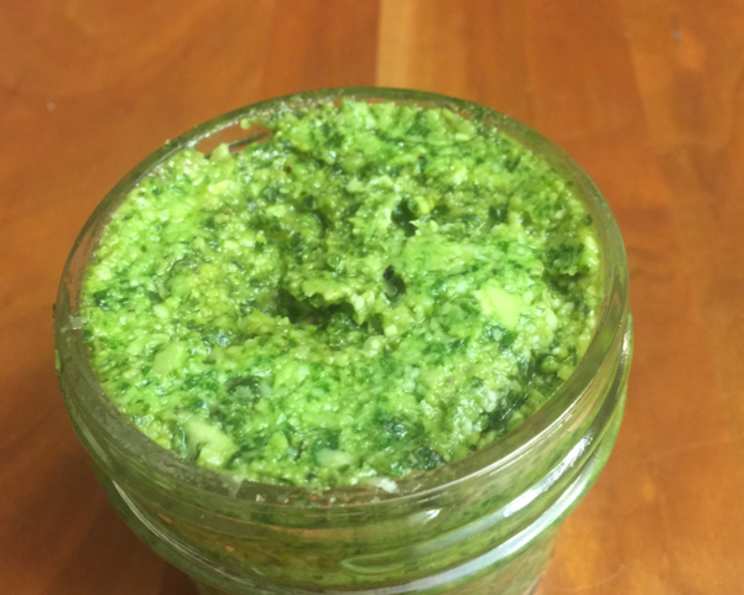
Super Basil Pesto (Healthy Version)
The first time I truly understood pesto’s magic wasn’t in a fancy restaurant, but in my Nonna’s sun-drenched garden. She grew rows of basil, each leaf bursting with flavor. I remember the scent filling her kitchen as she crushed the basil with garlic, pine nuts, and olive oil in her ancient mortar and pestle. That vibrant green sauce, so simple yet so flavorful, transformed even the humblest pasta into a feast. This “Super Basil Pesto” is my attempt to capture that garden-fresh magic while being mindful of a healthier lifestyle, adding my own twist to a classic.
Recipe Overview
- Prep Time: 15 minutes
- Cook Time: 0 minutes (toasting pine nuts)
- Total Time: 15 minutes
- Servings: 4
- Yields: 1 Cup Pesto
- Dietary Type: Vegetarian
Ingredients
- 2 cups fresh basil, lightly packed (Use more than one variety of basil for a “super” flavour! I used Pesto Basil, Red Opal Basil, and a generic Curly Basil)
- 1/4 cup pine nuts, toasted (Walnuts are a healthy alternative)
- 2-4 garlic cloves, depending on size and how much you like garlic (or more, I used like 5 pretty small gloves in mine)
- 3 tablespoons extra virgin olive oil
- 2 tablespoons water (Or Broth, I use veggie broth for mine)
- 1/4 cup parmigiano-reggiano cheese, grated
- 1/2 teaspoon salt
- 1/2 teaspoon pepper
- 1-2 pinch crushed red pepper flakes (my little twist)
Equipment Needed
- Food processor
- Baking sheet (for toasting pine nuts)
- Small bowl
Instructions
- Toast the pine nuts: Preheat your oven to 350°F (175°C). Spread the pine nuts on a baking sheet in a single layer. Toast for 5-7 minutes, or until lightly golden and fragrant. Watch them carefully, as they can burn quickly. Alternatively, you can toast them in a dry pan over medium heat, stirring frequently. Remove from heat and let cool slightly.
- Combine ingredients: In the bowl of your food processor, combine the toasted pine nuts, basil leaves, garlic cloves, olive oil, water (or broth), parmigiano-reggiano cheese, salt, and pepper. Do not add the red pepper flakes at this stage.
- Process the pesto: Pulse the ingredients a few times to begin breaking them down. Then, blend continuously until the mixture is smooth and creamy, scraping down the sides of the bowl as needed. The pesto should be thick and spreadable, not runny. This consistency helps it coat pasta and other dishes more effectively.
- Add the red pepper flakes: Transfer the pesto to a small bowl. Stir in the crushed red pepper flakes. Adjust the amount to your preference for spice.
- Taste and adjust: Taste the pesto and adjust the seasoning as needed. You may want to add more salt, pepper, or parmigiano-reggiano cheese to balance the flavors.
- Serve: Your pesto is now ready to use! Toss it with your favorite pasta, spread it on pizza, or use it as a flavorful topping for grilled chicken or fish.
Expert Tips & Tricks
- Basil Variety is Key: Don’t be afraid to experiment with different varieties of basil. Each type has its unique flavor profile, and combining them creates a more complex and interesting pesto. I’ve found that using a mix of Genovese, Lemon, and Thai basil provides a beautiful balance of sweetness, citrus, and spice.
- Toasting the Pine Nuts: Toasting the pine nuts is crucial for bringing out their nutty flavor and preventing them from becoming bitter. Be careful not to burn them, as this will ruin the taste of the entire pesto.
- Adjusting Garlic: This recipe is indeed quite garlicky, so feel free to adjust the amount of garlic to suit your taste. If you’re not a fan of strong garlic flavor, start with just two cloves and add more as needed.
- Make it Vegan: For a vegan version, simply substitute the parmigiano-reggiano cheese with nutritional yeast or a vegan Parmesan alternative.
- Pesto Too Thick? If your pesto is too thick, add a little more olive oil or water (or broth) until you reach the desired consistency.
- Pesto Too Salty? The pesto is a bit salty on its own, but it’s perfectly balanced when mixed with pasta or other dishes.
Serving & Storage Suggestions
- Serving Suggestions: Pesto is incredibly versatile. Toss it with pasta for a classic dish, spread it on sandwiches or wraps, use it as a dip for vegetables, or add it to soups and stews for extra flavor. It’s also delicious as a topping for grilled chicken, fish, or vegetables.
- Storage: Store leftover pesto in an airtight container in the refrigerator for up to 3-4 days. To prevent the pesto from browning, pour a thin layer of olive oil over the top before sealing the container.
- Freezing: Pesto freezes well. Portion it into ice cube trays and freeze until solid. Then, transfer the pesto cubes to a freezer bag and store for up to 3 months. This makes it easy to thaw only the amount you need.
- Reheating: If frozen, thaw the pesto in the refrigerator overnight or at room temperature for a few hours.
Nutritional Information
| Nutrient | Amount per Serving | % Daily Value |
|---|---|---|
| Calories | 175.8 kcal | N/A |
| Calories from Fat | 156 g | 89% |
| Total Fat | 17.4 g | 26% |
| Saturated Fat | 2.7 g | 13% |
| Cholesterol | 3.6 mg | 1% |
| Sodium | 377.2 mg | 15% |
| Total Carbohydrate | 2.9 g | 0% |
| Dietary Fiber | 1.3 g | 5% |
| Sugars | 0.4 g | 1% |
| Protein | 3.7 g | 7% |
Note: Nutritional information is an estimate and may vary based on specific ingredients and preparation methods.
Variations & Substitutions
- Vegan Pesto: As mentioned before, substitute the parmigiano-reggiano cheese with nutritional yeast or a vegan Parmesan alternative.
- Nut-Free Pesto: If you have a nut allergy, you can substitute the pine nuts with sunflower seeds or pumpkin seeds.
- Lemon Pesto: Add the zest of one lemon to the food processor for a bright and citrusy twist.
- Sun-Dried Tomato Pesto: Add 1/4 cup of sun-dried tomatoes (oil-packed, drained) to the food processor for a rich and savory flavor.
- Herb Pesto: Experiment with other herbs such as parsley, cilantro, or mint to create unique pesto variations.
FAQs (Frequently Asked Questions)
Q: Why is my pesto bitter?
A: Bitterness in pesto is often caused by over-processing the basil or using old or rancid pine nuts. Make sure to use fresh, high-quality ingredients and avoid over-blending the pesto.
Q: Can I make pesto without a food processor?
A: Yes, you can make pesto using a mortar and pestle for a more traditional method. This requires more time and effort but results in a slightly coarser texture.
Q: How can I prevent my pesto from turning brown?
A: Exposure to air causes pesto to oxidize and turn brown. To prevent this, store it in an airtight container in the refrigerator and pour a thin layer of olive oil over the top.
Q: Can I use pesto on pizza?
A: Absolutely! Pesto makes a delicious and flavorful pizza topping. Spread it on the crust before adding your other toppings.
Q: How long does pesto last in the freezer?
A: Pesto can last for up to 3 months in the freezer. For best results, freeze it in ice cube trays for easy portioning.
Final Thoughts
This Super Basil Pesto is more than just a sauce; it’s a celebration of fresh, vibrant flavors. It’s an invitation to bring the taste of summer into your kitchen, no matter the season. I encourage you to try this recipe and experiment with different basil varieties and ingredient combinations to create your own signature pesto. Whether you toss it with pasta, spread it on sandwiches, or use it as a flavorful topping, I’m confident that this pesto will elevate your meals to new heights. Share your creations and feedback – I’d love to hear how you’ve made this recipe your own. Consider pairing it with a crisp glass of Pinot Grigio for a truly delightful culinary experience.