
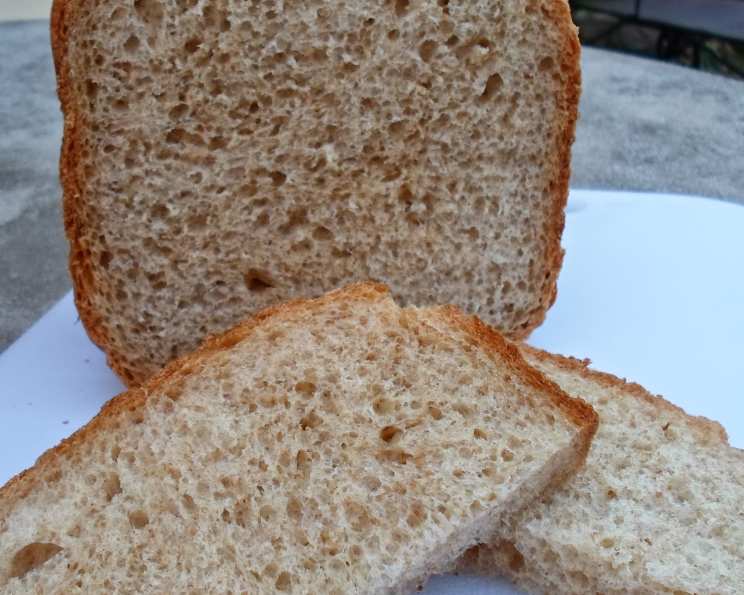
The Softest Wheat Bread You’ll Ever Bake
The scent of freshly baked bread always evokes a sense of home, of warmth and comfort. I remember my grandmother’s kitchen, filled with the yeasty aroma of rising dough, a symphony of gentle bubbling and floury surfaces. She would let me punch down the dough with my tiny fists, a task I approached with the utmost seriousness. This recipe reminds me of those cherished moments, offering a loaf with a delightfully soft crumb and a subtle, nutty flavor that’s perfect for sandwiches, toast, or simply enjoying warm with a smear of butter.
Recipe Overview
- Prep Time: 20 minutes
- Cook Time: varies with bread machine
- Total Time: Approximately 2 hours, including rising
- Servings: Varies with slice thickness (approximately 8-12)
- Yield: 1 loaf
- Dietary Type: Vegetarian (can be made vegan with plant-based butter)
Ingredients
- 1 1/4 cups warm water
- 2 teaspoons yeast
- 3 tablespoons sugar
- 2 cups bread flour
- 1 1/2 cups wheat flour
- 2 tablespoons melted butter
- 1 1/2 teaspoons salt
Equipment Needed
- Bread machine
Instructions
- In a small bowl, combine the warm water, yeast, and sugar. Let this mixture set for 10-15 minutes. You’ll know it’s ready when the mixture has become frothy, indicating that the yeast is active. If it doesn’t froth, your yeast may be old, and you’ll need to start again with fresh yeast.
- Add the yeast mixture to the bread machine pan. It’s important to add the liquids first in most bread machines. Check your machine’s manual to confirm the proper order for your specific model.
- Add the remaining ingredients – the bread flour, wheat flour, melted butter, and salt – to the bread machine pan. Ensure the salt and yeast are kept separate initially, as direct contact can inhibit the yeast’s activity.
- Bake according to your bread machine instructions. This typically involves selecting the appropriate cycle (e.g., “wheat bread” or “basic”) and crust color. The baking time will vary depending on your bread machine model. Check the manufacturer’s guide for recommended settings and baking times. A good indication of doneness is an internal temperature of 200-210°F (93-99°C) if your machine has that capability, or a hollow sound when tapping the bottom of the loaf.
Expert Tips & Tricks
- Flour Power: The type of flour you use significantly impacts the texture of your bread. Bread flour has a higher protein content than all-purpose flour, resulting in a stronger gluten network and a chewier texture. Wheat flour adds a nutty flavor and slightly denser crumb. Experimenting with different ratios of bread flour and wheat flour can help you achieve your desired texture and flavor.
- Water Temperature is Key: The water should be warm to activate the yeast, but not too hot. Aim for a temperature between 105-115°F (40-46°C). Water that’s too hot will kill the yeast, while water that’s too cold will slow down its activity.
- Dough Consistency: If you’re making bread by hand, pay attention to the dough’s consistency. It should be slightly sticky but not overly wet. If the dough is too sticky, add a tablespoon of flour at a time until it reaches the desired consistency. If it’s too dry, add a teaspoon of water at a time. Bread machines usually take care of this themselves, but it’s still important to check after the initial mixing phase.
- Butter or Oil? While this recipe calls for melted butter, you can substitute it with oil (vegetable, canola, or olive oil) for a vegan option. The fat contributes to the bread’s tenderness and flavor.
Serving & Storage Suggestions
This super soft wheat bread is incredibly versatile. Enjoy it warm, straight from the bread machine, with a pat of butter or a drizzle of honey. It’s also excellent for making sandwiches, toast, or croutons.
To store the bread, let it cool completely before wrapping it tightly in plastic wrap or placing it in an airtight container. At room temperature, it will stay fresh for 2-3 days. For longer storage, you can freeze the bread for up to 2-3 months. Slice the bread before freezing for easy thawing. To reheat, simply toast a slice or two, or wrap the entire loaf in foil and warm it in a low oven (300°F/150°C) for about 15-20 minutes.
Nutritional Information
| Nutrient | Amount per Serving | % Daily Value |
|---|---|---|
| Calories | 237 kcal | N/A |
| Total Fat | 3.8 g | 5% |
| Saturated Fat | 2 g | 9% |
| Cholesterol | 7.6 mg | 2% |
| Sodium | 464.1 mg | 19% |
| Total Carbohydrate | 45.2 g | 15% |
| Dietary Fiber | 3.5 g | 14% |
| Sugars | 4.9 g | N/A |
| Protein | 6.6 g | 13% |
Note: Nutritional information is an estimate and can vary based on specific ingredients and serving size.
Variations & Substitutions
- Vegan Wheat Bread: Substitute the melted butter with melted coconut oil or another plant-based butter alternative. Ensure that the yeast you are using is also vegan.
- Honey Wheat Bread: Replace the sugar with an equal amount of honey for a slightly sweeter flavor and a moister crumb.
- Seeded Wheat Bread: Add 1/4 cup of mixed seeds (such as sesame, flax, sunflower, or poppy seeds) to the dough for added texture and nutrition.
- Spiced Wheat Bread: Add 1 teaspoon of ground cinnamon or pumpkin pie spice to the dough for a warm, comforting flavor.
- Herb Wheat Bread: Mix in 2 tablespoons of chopped fresh herbs, such as rosemary, thyme, or oregano, for a savory twist.
- Rye Wheat Bread: Substitute up to 1 cup of the wheat flour with rye flour for a more rustic flavor.
FAQs (Frequently Asked Questions)
Q: Why isn’t my dough rising properly?
A: There are several reasons why your dough might not be rising. The most common causes are using expired yeast, water that’s too hot or too cold, or not giving the dough enough time to rise.
Q: Can I make this recipe without a bread machine?
A: Yes, you can! Combine the ingredients in a large bowl, knead the dough for 8-10 minutes until smooth and elastic, and then let it rise in a warm place for about an hour, or until doubled in size. Punch down the dough, shape it into a loaf, and bake in a preheated oven at 375°F (190°C) for 30-35 minutes.
Q: How do I know when the bread is done?
A: The bread is done when it sounds hollow when you tap the bottom of the loaf, and the internal temperature reaches 200-210°F (93-99°C). You can also check the color – it should be golden brown.
Q: Can I use all wheat flour instead of bread flour?
A: While you can use all wheat flour, the bread will be denser and may not rise as high. The bread flour provides a stronger gluten structure, resulting in a lighter, airier loaf.
Q: My bread has a gummy texture. What went wrong?
A: A gummy texture is usually caused by underbaking or not allowing the bread to cool completely before slicing. Ensure the bread is fully baked and allow it to cool on a wire rack before slicing.
Final Thoughts
Baking bread is a rewarding experience, and this recipe for super soft wheat bread is a great place to start. Don’t be intimidated by the process – with a little patience and practice, you’ll be enjoying homemade bread in no time. Feel free to experiment with different variations and substitutions to create a loaf that’s perfectly tailored to your taste. And don’t forget to share your creations with friends and family – there’s nothing quite like the joy of sharing a freshly baked loaf of bread!