
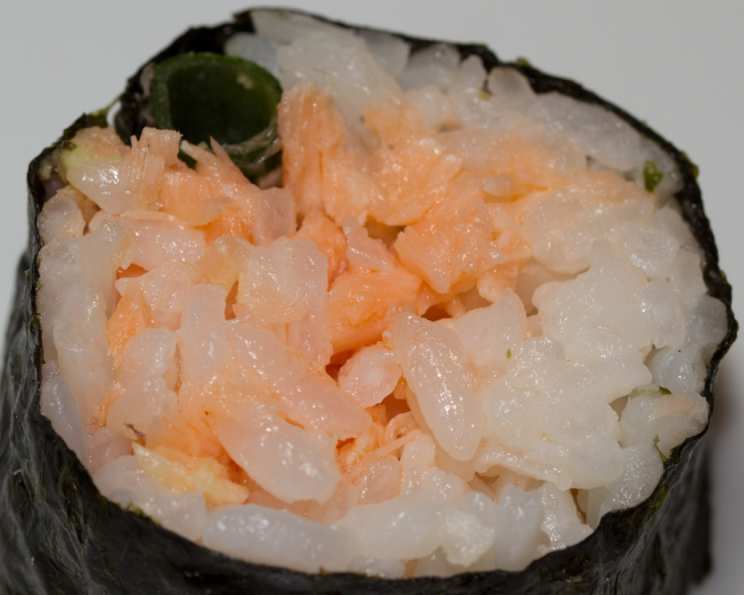
Mastering Sushi Rice: A Culinary Journey
The first time I attempted sushi rice, I was intimidated. I envisioned perfectly formed nigiri and flawlessly rolled maki, dreams quickly dashed by a sticky, clumpy mess. It wasn’t until I understood the science behind the starch, the importance of the rinse, and the delicate balance of the vinegar mixture that I truly began to appreciate the art of making perfect sushi rice. Now, the aroma of subtly sweet and tangy rice evokes memories of late-night sushi-making sessions with friends, a testament to the simple joy of creating something delicious from scratch.
Recipe Overview
- Prep Time: 10 minutes
- Cook Time: 25 minutes
- Total Time: 35 minutes
- Servings: 2-4
- Yields: 4 cups cooked rice
- Dietary Type: Gluten-Free, Vegan
Ingredients
- 2 cups sushi rice or 2 cups short-grain rice
- 2 cups water, plus extra for rinsing rice
- 2 tablespoons rice vinegar
- 2 tablespoons sugar
- 1 teaspoon kosher salt
Equipment Needed
- Medium saucepan with lid
- Small bowl
- Microwave
- Large wooden or glass mixing bowl
- Fan (a paper plate works well)
Instructions
-
Begin by preparing the rice. Place the sushi rice into a saucepan and cover it with cool water.
-
Gently swirl the rice in the water with your hand, allowing the loose starches to be released. Pour off the cloudy water. Repeat this rinsing process 2 to 3 times, or until the water runs mostly clear. This step is crucial for preventing overly sticky rice.
-
Combine the rinsed rice and 2 cups of water in the medium saucepan. Place the saucepan over high heat. Bring the mixture to a boil, uncovered. Keep a close eye on it to prevent it from boiling over.
-
Once the water begins to boil, immediately reduce the heat to the lowest setting possible. Cover the saucepan tightly with a lid and cook the rice undisturbed for 15 minutes. It’s important to maintain a gentle simmer to ensure even cooking. Avoid peeking under the lid during this time.
-
After 15 minutes, remove the saucepan from the heat. Do not remove the lid! Let the rice stand, covered, for an additional 10 minutes. This allows the rice to fully steam and absorb any remaining moisture, resulting in a perfectly fluffy texture.
-
While the rice is resting, prepare the sushi vinegar mixture. In a small bowl, combine the rice vinegar, sugar, and kosher salt.
-
Place the bowl containing the vinegar mixture into the microwave and heat on high for 30 to 45 seconds. This helps the sugar and salt dissolve completely into the vinegar. Alternatively, you can gently heat the mixture on the stovetop, stirring constantly until dissolved.
-
After the rice has rested, gently transfer it into a large wooden or glass mixing bowl. Avoid using metal, as it can react with the vinegar and alter the flavor of the rice.
-
Pour the warm vinegar mixture over the rice. Using a rice paddle or a wooden spoon, gently fold the vinegar mixture into the rice. Be careful not to mash or break the rice grains. The goal is to evenly distribute the vinegar mixture while maintaining the integrity of the rice.
-
While folding the vinegar mixture in, use a fan (a simple paper plate works surprisingly well) to fan the rice. This process helps to cool the rice quickly and evenly, while also promoting a glossy sheen on the grains. Continue folding and fanning until the rice is slightly sticky but still has distinct individual grains.
-
Allow the sushi rice to cool to room temperature before using it to make sushi, sashimi, or other Japanese dishes. The rice should be slightly warm to the touch, not hot.
Expert Tips & Tricks
- Rice Quality Matters: Using high-quality sushi rice or short-grain rice will significantly improve the final result. Look for rice that is specifically labeled for sushi or short-grain rice, which has the right starch content for a sticky, yet fluffy texture.
- Adjusting the Vinegar Mixture: The ratio of rice vinegar, sugar, and salt can be adjusted to your personal preference. If you prefer a tangier rice, add a bit more rice vinegar. For a sweeter flavor, increase the amount of sugar. Always taste and adjust before adding it to the rice.
- Preventing Sticking: To prevent the rice from sticking to your hands when making sushi, keep a small bowl of water mixed with a splash of rice vinegar nearby. Dip your fingers in the water before handling the rice.
- Wooden Bowl Advantage: Using a wooden bowl (hangiri) is traditional because the wood absorbs excess moisture, helping to create the ideal texture. If you don’t have a wooden bowl, a glass bowl works just as well.
- Don’t Overmix: Overmixing the rice after adding the vinegar mixture can lead to a gluey texture. Be gentle and fold the ingredients together until just combined.
- Make Ahead: You can prepare sushi rice ahead of time. Once cooled, store it in an airtight container in the refrigerator for up to 24 hours. Before using, gently fluff the rice with a rice paddle and allow it to come to room temperature. You can also microwave it for a short time to warm it slightly, but be careful not to overheat.
Serving & Storage Suggestions
Sushi rice is the foundation for many Japanese dishes, including sushi rolls, nigiri, and chirashi bowls. Serve it alongside fresh seafood, vegetables, and your favorite sushi condiments like soy sauce, wasabi, and pickled ginger.
Leftover sushi rice should be stored in an airtight container in the refrigerator. It will keep for up to 2 days. Note that the rice will become firmer as it cools. To reheat, add a tablespoon of water to the rice and microwave it on low power in short intervals, stirring in between, until warmed through. Be careful not to overheat, as this can make the rice mushy. It’s best consumed cold or at room temperature.
Nutritional Information
| Nutrient | Amount per Serving | % Daily Value |
|---|---|---|
| Calories | 367 kcal | 18% |
| Total Fat | 0.5g | 1% |
| Saturated Fat | 0.1g | 1% |
| Cholesterol | 0mg | 0% |
| Sodium | 446mg | 19% |
| Total Carbohydrate | 82g | 30% |
| Dietary Fiber | 2.6g | 9% |
| Sugars | 6.3g | 13% |
| Protein | 3.1g | 6% |
Note: Nutritional information is an estimate and may vary based on specific ingredients and portion sizes.
Variations & Substitutions
- Brown Rice Sushi: For a healthier twist, try using short-grain brown rice instead of white rice. The cooking time may need to be adjusted, so follow the instructions on the package.
- Coconut Rice Vinegar: While rice vinegar is traditional, you can experiment with other types of vinegar, such as apple cider vinegar or white wine vinegar. Keep in mind that these will have a different flavor profile, so adjust the sugar and salt accordingly. Coconut rice vinegar can add a slightly sweeter and more delicate flavor.
- Sweeteners: Instead of granulated sugar, you can use other sweeteners like honey or agave nectar. Start with a smaller amount and adjust to taste.
- Herbs and Spices: Infuse the rice with flavor by adding a piece of kombu (dried kelp) to the rice while cooking. Remove the kombu before adding the vinegar mixture. You can also add a pinch of dried herbs like thyme or rosemary for a subtle aromatic flavor.
FAQs (Frequently Asked Questions):
Q: Why is it important to rinse the sushi rice before cooking?
A: Rinsing removes excess starch from the rice, which prevents it from becoming overly sticky and gummy during cooking. Clear water indicates that enough starch has been removed.
Q: Can I use a rice cooker instead of a saucepan?
A: Yes, a rice cooker is an excellent option for cooking sushi rice. Follow the manufacturer’s instructions for cooking rice, and then proceed with the vinegar mixture steps.
Q: How do I know if the rice is cooked properly?
A: The rice should be tender and fluffy, with no hard or crunchy grains. All of the water should be absorbed during cooking.
Q: What if I don’t have rice vinegar?
A: In a pinch, you can substitute with a mixture of white vinegar and a touch of sugar. However, the flavor will not be exactly the same.
Q: Can I add other seasonings to the sushi rice?
A: While the traditional recipe is simple, you can experiment with adding other ingredients like sesame seeds or furikake (a Japanese seasoning blend).
Final Thoughts
Making sushi rice is a skill that unlocks a world of culinary possibilities. It might seem daunting at first, but with a little practice and attention to detail, you’ll be crafting perfect rice in no time. Don’t be afraid to experiment with different variations and flavors to find your personal preference. So gather your ingredients, embrace the process, and enjoy the satisfaction of creating something delicious and authentic. I highly encourage you to share your sushi creations and any adjustments you make to the recipe. Happy cooking!