
Mastering Sushi Vinegar: The Key to Perfect Sushi Rice
The first time I tasted truly perfect sushi rice, it wasn’t in a Michelin-starred restaurant. It was at a tiny, family-run sushi bar in Tokyo, tucked away on a side street. The chef, a man whose hands moved with decades of practiced grace, smiled as he watched me savor each bite. It wasn’t just the freshness of the fish; it was the rice itself – subtly sweet, perfectly seasoned, and each grain distinct. That’s when I realized the secret to exceptional sushi lies in the mastery of sushi vinegar.
Recipe Overview: Sushi Vinegar
- Prep Time: 2 minutes
- Cook Time: 3 minutes
- Total Time: 5 minutes
- Yields: Approximately 1/4 cup
- Dietary Type: Vegan, Gluten-Free
Ingredients
- 5 tablespoons rice vinegar
- 5 tablespoons granulated sugar
- 2 teaspoons fine sea salt
Equipment Needed
- Small saucepan
- Whisk
- Measuring spoons and cups
Instructions
- Combine the rice vinegar, sugar, and salt in a small saucepan.
- Place the saucepan over low heat. Heat slowly, stirring constantly with a whisk, until the sugar and salt have completely dissolved. Be patient and avoid boiling the mixture.
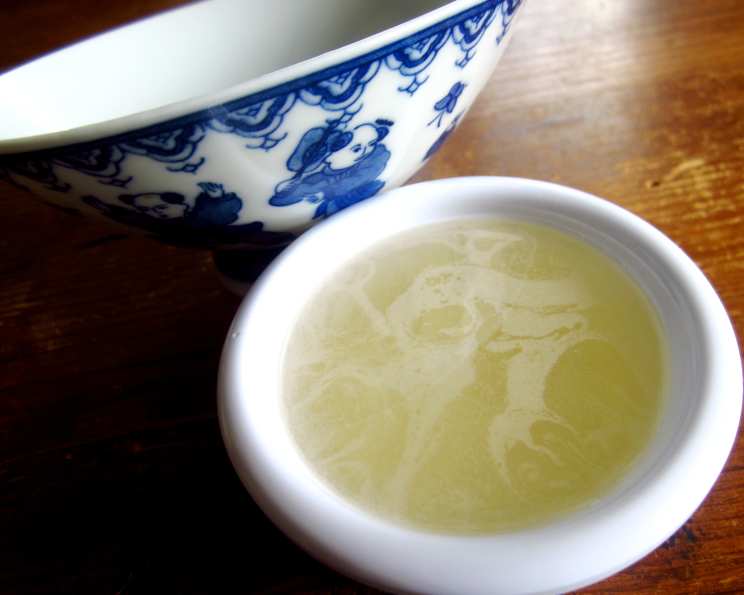
- Once the sugar and salt are dissolved, remove the saucepan from the heat. The mixture should be clear and smooth.
- Allow the sushi vinegar to cool completely before using it to season cooked rice.
Expert Tips & Tricks
- Don’t boil the mixture: Boiling can alter the flavor of the vinegar and potentially caramelize the sugar, which isn’t desired. Keep the heat low and stir constantly.
- Use high-quality rice vinegar: The flavor of the rice vinegar is crucial. Opt for a Japanese rice vinegar for the most authentic taste. Avoid seasoned rice vinegars, as they already contain sugar and salt.
- Adjust sweetness and saltiness: Taste the cooled sushi vinegar. If you prefer a sweeter flavor, add a small amount of additional sugar, a teaspoon at a time, and reheat gently to dissolve. For a saltier flavor, add a pinch of salt, stirring to dissolve. Remember that the final flavor will mellow slightly once mixed with the rice.
- Make ahead: Sushi vinegar can be made in advance and stored in an airtight container at room temperature for several weeks.
- Flavor Infusion: For a unique twist, infuse the vinegar with a small piece of kombu (dried kelp) during the heating process. Remove the kombu before the vinegar cools. This adds a subtle umami depth.
- Powdered sugar alternative: In a pinch, you can use powdered sugar instead of granulated sugar. It will dissolve more quickly, but be sure to whisk thoroughly to avoid any lumps.
Serving & Storage Suggestions
Once the sushi vinegar has cooled, it’s ready to be used to season your freshly cooked sushi rice. Gently fold the vinegar into the rice, using a cutting motion to avoid crushing the grains. Start with a small amount and taste, adding more until the rice is seasoned to your liking. Leftover sushi vinegar can be stored in an airtight container at room temperature for several weeks. There is no need to refrigerate it. As it’s mostly sugar and vinegar, it’s shelf-stable.
Nutritional Information
| Nutrient | Amount per Serving | % Daily Value |
|---|---|---|
| Calories | 160 kcal | 8% |
| Total Fat | 0g | 0% |
| Saturated Fat | 0g | 0% |
| Cholesterol | 0mg | 0% |
| Sodium | 940mg | 39% |
| Total Carbohydrate | 40g | 13% |
| Dietary Fiber | 0g | 0% |
| Sugars | 40g | 80% |
| Protein | 0g | 0% |
Variations & Substitutions
- Brown Rice Vinegar: For a slightly more robust and less sweet flavor, use brown rice vinegar instead of white rice vinegar. Note that brown rice vinegar has a stronger flavor, so you may want to reduce the amount used slightly.
- Maple Syrup: For a natural sweetener, substitute the sugar with maple syrup. Start with the same amount (5 tablespoons) and adjust to taste. This will impart a subtle maple flavor to the sushi rice.
- Coconut Sugar: For a less refined sugar option, try coconut sugar. It has a lower glycemic index than white sugar and adds a caramel-like note.
- Infused Vinegars: Experiment with infusing the rice vinegar with citrus peels (lemon, lime, or yuzu) for a bright and aromatic twist. Add the peels to the vinegar during the heating process and remove them before cooling.
FAQs (Frequently Asked Questions)
Q: Can I use regular white vinegar instead of rice vinegar?
A: While you can, it’s not recommended. Rice vinegar has a much milder and sweeter flavor compared to the sharper acidity of white vinegar. The flavor profile will be quite different and less suited for sushi.
Q: How much sushi vinegar should I use per cup of cooked rice?
A: A general guideline is about 2-3 tablespoons of sushi vinegar per cup of cooked, warm sushi rice. However, taste is subjective, so start with a smaller amount and adjust to your preference.
Q: Why is it important to cool the sushi vinegar before mixing it with the rice?
A: Adding hot vinegar to the rice can make it mushy. Cooling the vinegar allows the rice to absorb it evenly without becoming overly soft.
Q: Can I skip heating the vinegar and just mix the ingredients together?
A: Heating helps the sugar and salt dissolve completely into the vinegar. Skipping this step can result in a grainy texture and uneven seasoning.
Q: What if I accidentally add too much sushi vinegar to my rice?
A: If the rice is too vinegary, you can try adding a little more plain cooked rice to balance the flavors. Gently mix it in until you achieve the desired taste.
Final Thoughts
Making sushi vinegar is a deceptively simple process, but mastering it opens up a world of culinary possibilities. Beyond sushi, this versatile condiment can be used to dress salads, pickle vegetables, or even add a touch of tang to sauces. Don’t be afraid to experiment with different flavors and find the perfect balance for your palate. I encourage you to try this recipe and share your sushi creations with friends and family. The perfect sushi rice, seasoned with your own homemade vinegar, is a delicious experience that’s well worth the effort.