
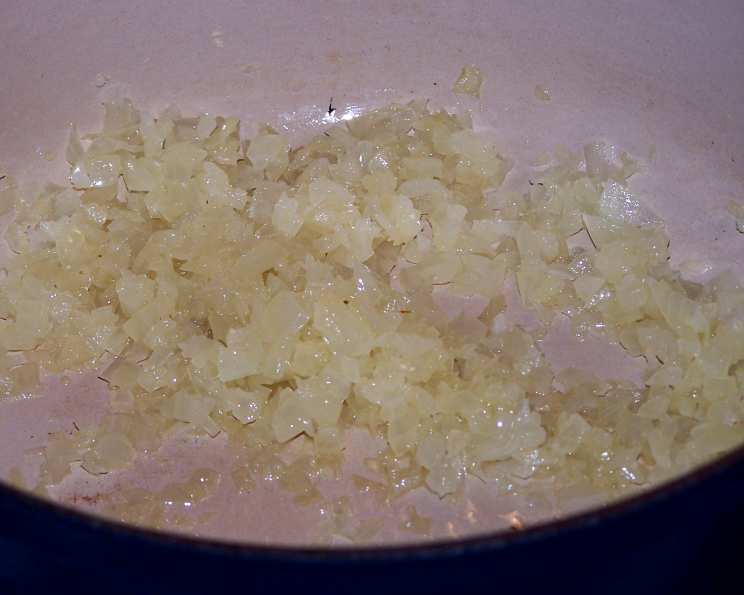
The Humble Art of Sweating Onions: A Chef’s Foundation
The aroma still lingers in my memory – the sweet, mellow scent of onions gently cooking in butter, permeating my grandmother’s kitchen. As a child, I was mesmerized, watching her coax flavor from those humble orbs. She’d always say, “Sweating the onions is the heart of the dish, darling. Get that right, and everything else will fall into place.” It seemed like magic then, and even now, after years of culinary school and Michelin-starred kitchens, I recognize the profound truth in her words. Sweating onions is more than just a cooking technique; it’s a foundational step in creating depth, sweetness, and a rich, savory base for countless dishes.
Recipe Overview
- Prep Time: 5 minutes
- Cook Time: 5 minutes
- Total Time: 10 minutes
- Servings: 4
- Yield: About 1 cup sweated onions
- Dietary Type: Vegan
Ingredients
- 1 medium onion (sliced, diced, or in rings – your preference!)
- Oil (enough to thinly coat the bottom of your pan)
Equipment Needed
- Large skillet or frying pan
- Lid for the pan (optional, but recommended)
- Spatula or wooden spoon
Instructions
- Place your skillet or frying pan over low heat. Patience is key! We are not trying to brown the onions, but rather gently coax out their sweetness.
- Add the oil to the pan. You only need enough to lightly coat the bottom; about a tablespoon is usually sufficient. Allow the oil to heat up for a moment until it shimmers.
- Add the prepared onions to the pan. Ensure they are spread in an even layer to promote consistent cooking.
- Cover the pan with a lid. This helps to trap moisture and encourages the onions to soften and sweat.
- Remove the lid and stir occasionally, every minute or two. This prevents the onions from sticking to the pan and ensures they cook evenly. Observe the onions carefully. You’re looking for them to become translucent and soft, but not browned.
- Continue cooking until the onions are translucent and soft, about 5 minutes. The exact time will vary depending on the type of onion and the heat of your stove. The goal is for them to be tender and almost melting.
- Once the onions have reached the desired consistency, you can season them with salt, pepper, and any herbs you desire. This is the perfect time to add flavor that will permeate the entire dish. Remember that the onions will continue to cook in whatever recipe you’re using them for, so don’t over-season at this point.
- Proceed with the recipe that calls for sweated onions.
Expert Tips & Tricks
- Choosing the Right Onion: Yellow onions are the workhorses of the kitchen and are excellent for sweating. White onions have a sharper flavor, while sweet onions like Vidalia or Walla Walla will caramelize more readily. Consider the flavor profile you’re aiming for in your final dish.
- Don’t Rush: The most common mistake is cooking the onions over too high heat. This will result in browning or even burning, which will impart a bitter flavor. Low and slow is the key to perfectly sweated onions.
- Even Cuts: For even cooking, try to cut the onions into uniform pieces. Diced onions will cook faster than thick slices.
- Deglazing the Pan: If you notice any bits sticking to the bottom of the pan, add a splash of water, broth, or wine and scrape them up with your spatula. This will add even more flavor to your onions.
- Make-Ahead Magic: Sweated onions can be made ahead of time and stored in the refrigerator for up to 3 days. This can save you valuable time when preparing a meal. Allow the onions to cool completely before transferring them to an airtight container.
Serving & Storage Suggestions
Sweated onions are rarely served on their own but are a key ingredient in countless dishes. They form the foundation for sauces, soups, stews, risottos, braises, and more.
- Storage: Properly cooled and stored in an airtight container in the refrigerator, sweated onions will last for up to 3 days.
- Reheating: Reheat sweated onions gently in a pan over low heat. You may need to add a touch of oil or water to prevent them from drying out.
- Freezing: While freezing is not ideal, sweated onions can be frozen for longer storage. Place them in a freezer-safe bag or container, pressing out as much air as possible. Thaw overnight in the refrigerator before using. The texture may be slightly softer after freezing.
Nutritional Information
Note: Nutritional information is an estimate and will vary depending on the specific ingredients and quantities used.
| Nutrient | Amount per Serving | % Daily Value |
|---|---|---|
| Calories | 30 kcal | 2% |
| Total Fat | 2g | 3% |
| Saturated Fat | 0g | 0% |
| Cholesterol | 0mg | 0% |
| Sodium | 5mg | 0% |
| Total Carbohydrate | 3g | 1% |
| Dietary Fiber | 1g | 4% |
| Sugars | 2g | – |
| Protein | 0g | 0% |
Variations & Substitutions
- Garlic Infusion: Add minced garlic to the pan along with the onions for a flavorful twist. Be careful not to burn the garlic; add it towards the end of the sweating process.
- Herbs & Spices: Experiment with different herbs and spices to create unique flavor profiles. Thyme, rosemary, bay leaf, and smoked paprika all pair well with onions.
- Butter Instead of Oil: For a richer flavor, use butter instead of oil. Be careful not to burn the butter; keep the heat low and stir frequently.
- Shallots: Substitute shallots for onions for a more delicate, sweeter flavor.
- Leeks: Leeks can also be sweated in the same manner as onions and offer a mild, onion-like flavor. Be sure to wash them thoroughly to remove any grit.
FAQs (Frequently Asked Questions)
Q: What does it mean to “sweat” onions?
A: Sweating onions refers to gently cooking them over low heat in a small amount of fat, typically oil or butter. This process softens the onions, releases their natural sugars, and mellows their flavor.
Q: Why is it important to sweat onions instead of just sautéing them?
A: Sweating allows the onions to soften and develop their sweetness without browning or caramelizing. This creates a more subtle and nuanced flavor base for dishes.
Q: How can I tell if my onions are properly sweated?
A: Sweated onions should be translucent, soft, and slightly glossy. They should not be browned or caramelized.
Q: Can I sweat onions in advance?
A: Yes, sweated onions can be made ahead of time and stored in the refrigerator for up to 3 days. This is a great time-saver when preparing a meal.
Q: What kind of oil is best for sweating onions?
A: A neutral-flavored oil such as vegetable oil, canola oil, or light olive oil is best for sweating onions. You want the flavor of the onions to shine through, not the flavor of the oil.
Final Thoughts
Sweating onions is a simple yet transformative technique that unlocks a world of flavor. It’s the kind of kitchen magic that elevates even the most humble ingredients into something truly special. Don’t be intimidated by the simplicity; embrace the process and experiment with different variations to find your perfect onion-sweating rhythm. I encourage you to try this foundational technique and discover how it can elevate your cooking to new heights. Pair your perfectly sweated onions with a creamy risotto, a hearty braise, or a comforting soup. And please, share your creations and feedback – I’d love to hear about your culinary adventures!