
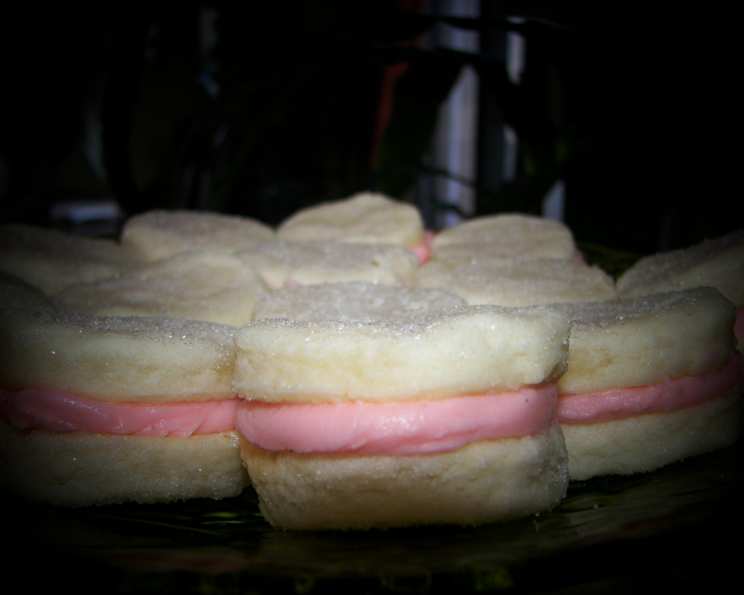
Swedish Cream Cookies: A Culinary Embrace of Holiday Traditions
The first time I tasted a Swedish Cream Cookie, I was transported. Not just back to my grandmother’s cozy kitchen, but to a feeling. A feeling of warmth, of love meticulously baked into each delicate bite. I remember watching her flour-dusted hands move with practiced ease, transforming simple ingredients into these edible jewels. The subtle sweetness of the cookie, the creamy, almost ethereal frosting, and the cheerful burst of color – it was pure magic. Now, years later, I recreate that magic in my own kitchen, hoping to pass on the same joy to my family. These cookies aren’t just a treat; they’re a cherished memory, a tangible link to generations past.
Recipe Overview
- Prep Time: 30 minutes
- Cook Time: 7-9 minutes
- Total Time: 1 hour 10 minutes
- Servings: 12-24 cookies
- Yield: 2-4 dozen cookies, depending on size
- Dietary Type: Not specified (contains dairy and eggs)
Ingredients
- 1 cup margarine
- 2 cups all-purpose flour
- ½ cup half-and-half
- ½ cup butter, softened
- 2-3 cups powdered sugar
- 1 egg yolk
- 1 teaspoon vanilla extract
- Food coloring (of choice)
- Granulated sugar, for dipping
Equipment Needed
- Mixing bowls
- Measuring cups and spoons
- Rolling pin
- 1 ½-inch cookie cutter (circle or star shapes recommended)
- Baking sheets
- Parchment paper (optional)
- Wire cooling rack
Instructions
- Begin by preparing the cookie dough. In a large mixing bowl, combine the margarine and flour. Use a pastry blender or your fingers to mix the ingredients until the mixture resembles coarse crumbs.
- Gradually add the half-and-half to the flour mixture, mixing until a dough forms. Be careful not to overmix, as this can make the cookies tough.
- On a lightly floured surface, roll out the dough to about ¼-inch thickness.
- Use a 1 ½-inch cookie cutter to cut out desired shapes. Simple shapes like circles and stars work best for ease of handling and even baking.
- Dip each cookie into granulated sugar, coating one side. Place the sugared cookies onto ungreased baking sheets, or baking sheets lined with parchment paper.
- Bake in a preheated oven at 375 degrees Fahrenheit (190 degrees Celsius) for 7-9 minutes, or until the edges are lightly golden brown. Watch them closely, as they can burn quickly. Ovens vary, so check for doneness at 7 minutes.
- While the cookies are baking, prepare the frosting. In a separate mixing bowl, melt the butter. This can be done in the microwave in short bursts, or in a saucepan over low heat.
- Add the egg yolk and vanilla extract to the melted butter and whisk until well combined.
- Gradually add the powdered sugar, mixing until the frosting reaches a smooth and creamy consistency. Add more powdered sugar if it’s too thin, or a tiny splash of milk or cream if it’s too thick.
- If desired, divide the frosting into separate bowls and add food coloring to create different colors. Mix well until the color is evenly distributed.
- Once the cookies are cooled completely on a wire rack, it’s time to assemble them.
- Spread a generous amount of frosting onto the flat side of one cookie and top with another cookie, creating a sandwich. Repeat with the remaining cookies and frosting.
- Allow the frosted cookies to set for a few minutes before serving. This will help the frosting to firm up and prevent it from smearing.
Expert Tips & Tricks
- Temperature is key: Ensure your margarine is cold and your butter for the frosting is softened, not melted. This helps with the texture of both the dough and the frosting.
- Preventing Tough Cookies: Overmixing the dough develops gluten, leading to tough cookies. Mix just until the ingredients are combined.
- Even Baking: Use a cookie scoop for uniform cookie sizes. This ensures that all cookies bake evenly. Rotating the baking sheets halfway through baking can also help.
- Frosting Consistency: Adjust the amount of powdered sugar to achieve the desired frosting consistency. For a thinner frosting, add a teaspoon of milk or cream at a time. For a thicker frosting, add more powdered sugar.
- Make Ahead: The cookie dough can be made ahead of time and stored in the refrigerator for up to 2 days. The baked cookies can also be stored unfrosted for several days. Frost them just before serving for the best flavor and texture.
Serving & Storage Suggestions
These Swedish Cream Cookies are perfect for serving at holiday gatherings, parties, or as a sweet treat with a cup of coffee or tea. They look especially festive when arranged on a decorative platter.
Storage:
- Room Temperature: Store frosted cookies in an airtight container at room temperature for up to 3 days.
- Refrigerator: For longer storage, keep them in an airtight container in the refrigerator for up to a week.
- Freezer: You can also freeze the cookies for up to 2 months. Freeze them in a single layer on a baking sheet before transferring them to a freezer-safe container. Thaw at room temperature before serving.
Nutritional Information
Please note that these values are estimates and can vary based on specific ingredients and portion sizes.
| Nutrient | Amount per Serving | % Daily Value |
|---|---|---|
| Calories | 250 kcal | 13% |
| Total Fat | 15g | 23% |
| Saturated Fat | 9g | 45% |
| Cholesterol | 30mg | 10% |
| Sodium | 100mg | 4% |
| Total Carbohydrate | 25g | 8% |
| Dietary Fiber | 0g | 0% |
| Sugars | 15g | N/A |
| Protein | 2g | 4% |
Variations & Substitutions
- Gluten-Free: Substitute all-purpose flour with a gluten-free all-purpose flour blend. You may need to adjust the amount of liquid to achieve the desired dough consistency.
- Dairy-Free: Use a dairy-free margarine and a plant-based milk alternative like almond milk or soy milk in place of the half-and-half. Replace the butter in the frosting with a dairy-free butter substitute.
- Flavor Variations: Add a drop or two of almond extract, lemon extract, or peppermint extract to the frosting for a different flavor profile.
- Festive Decorations: Decorate the cookies with sprinkles, edible glitter, or chopped nuts for a more festive look.
- Citrus Zest: Adding lemon or orange zest to the cookie dough or the frosting can brighten the flavor.
FAQs (Frequently Asked Questions)
Q: Can I use butter instead of margarine in the dough?
A: While margarine is recommended, you can substitute with butter. The texture might be slightly different, but the flavor will still be delicious.
Q: My frosting is too thick. What should I do?
A: Add a teaspoon of milk or cream at a time until you reach the desired consistency. Be careful not to add too much liquid, as this can make the frosting too thin.
Q: Can I freeze the dough?
A: Yes, you can freeze the dough. Wrap it tightly in plastic wrap and store it in the freezer for up to 2 months. Thaw it in the refrigerator overnight before rolling out.
Q: My cookies are spreading too much in the oven. Why?
A: This could be due to the dough being too warm or too much liquid. Try chilling the dough for 30 minutes before baking. Also, make sure your oven is properly preheated.
Q: Can I make these cookies without food coloring?
A: Absolutely! They will still taste wonderful. The food coloring is purely for aesthetic appeal.
Final Thoughts
Now it’s your turn to create your own treasured memories with these delightful Swedish Cream Cookies. Don’t be afraid to experiment with different flavors and decorations to make them your own. Whether you’re baking them for a special occasion or simply to brighten a winter day, I hope these cookies bring you as much joy as they’ve brought me over the years. I’d love to hear your experiences and variations on this recipe, so please share your feedback! Consider pairing these cookies with a warm glass of milk or a spiced tea for a truly comforting experience. Happy baking!