
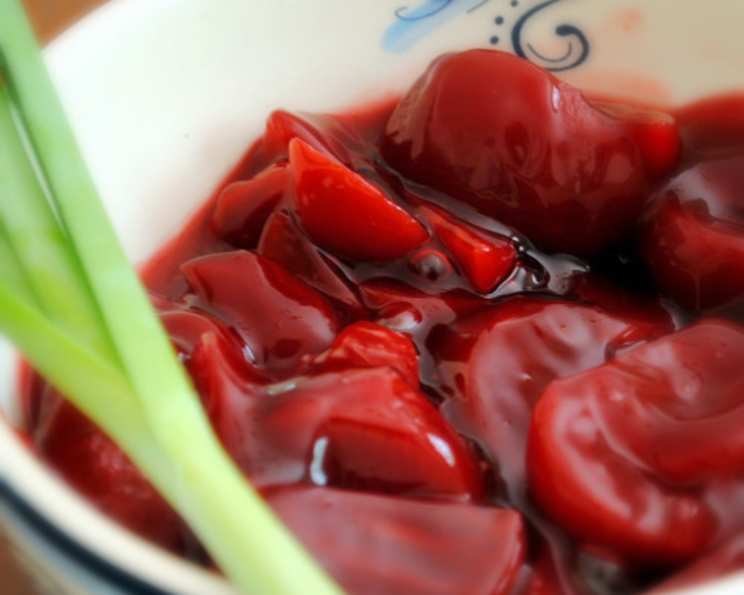
Swedish Pickled Beets: A Culinary Journey to Scandinavia
The memory of my grandmother’s kitchen is forever intertwined with the scent of vinegar and earthy sweetness. Each autumn, her small cottage in Maine would transform into a pickling haven, the air thick with the aroma of dill, garlic, and, most memorably, beets. These weren’t just any beets; they were destined to become inlagda rödbetor, or Swedish Pickled Beets, a staple on her table that transported us all, if only momentarily, to the land of her ancestors. The vibrant color and tangy-sweet flavor were unlike anything I’d ever tasted, and remain a nostalgic reminder of family, tradition, and the simple pleasures of home-cooked food.
Recipe Overview
- Prep Time: 15 minutes
- Cook Time: Approximately 10 minutes for boiling, plus time to cook beets (if using fresh)
- Total Time: At least 12 hours (including chilling time)
- Servings: Variable, approximately 2 cups
- Yields: About 2 cups
- Dietary Type: Vegan, Gluten-Free, Dairy-Free
Ingredients
- ½ cup cider vinegar (or white vinegar)
- ½ cup water
- ¼ cup sugar
- 1 teaspoon salt
- ⅛ teaspoon fresh ground pepper
- 2 cups beets, thinly sliced, cooked and peeled (canned beets are acceptable)
Equipment Needed
- Saucepan
- Deep bowl or jar for pickling
Instructions
-
In a saucepan, combine the cider vinegar, water, sugar, salt, and fresh ground pepper.
-
Bring the mixture to a boil over medium heat, stirring occasionally to dissolve the sugar and salt. Once boiling, reduce the heat and let it simmer for a few minutes to allow the flavors to meld together. Then, remove from heat and allow the mixture to cool completely. This is crucial, as pouring hot liquid over the beets can affect their texture.
-
While the pickling liquid is cooling, prepare your beets. If you are using canned beets, drain them well. If you are starting with fresh beets, wash them thoroughly, trim the tops (leaving about an inch of stem), and boil them until tender. The cooking time will vary depending on the size of the beets, but it generally takes about 30-45 minutes. You should be able to easily pierce them with a fork. Once cooked, let them cool slightly, then peel them (the skins should slip off easily) and slice them thinly.
-
Place the thinly sliced beets in a deep bowl or jar. The container should be non-reactive; glass or food-grade plastic works best.
-
Once the pickling liquid has cooled completely, pour it over the beets, ensuring they are fully submerged. If necessary, add a little more water or vinegar to cover them.
-
Cover the bowl or jar tightly with a lid or plastic wrap.
-
Refrigerate for at least 12 hours before serving. This allows the beets to absorb the flavors of the pickling liquid. For optimal flavor, let them marinate for 24-48 hours.
-
Serve chilled and enjoy!
Expert Tips & Tricks
- Beet Cooking Hack: Roasting beets instead of boiling them intensifies their natural sweetness. Wrap them individually in foil and bake at 400°F (200°C) until tender.
- Vinegar Variety: While cider vinegar is traditional, feel free to experiment with other vinegars like red wine vinegar for a slightly different flavor profile.
- Sugar Adjustment: Adjust the amount of sugar to your liking. If you prefer a tarter pickle, reduce the sugar slightly.
- Spice it Up: Add a pinch of mustard seeds, allspice berries, or a bay leaf to the pickling liquid for added complexity.
- Color Preservation: Add a tablespoon of lemon juice to the boiling water when cooking fresh beets to help preserve their vibrant color.
- Dealing with Beet Stains: Beet juice can stain surfaces. Wear gloves when handling beets and clean up any spills immediately with soap and water.
Serving & Storage Suggestions
Swedish Pickled Beets are incredibly versatile. Serve them chilled as part of a traditional smörgåsbord, alongside fried fish, grilled meats, or as a colorful addition to salads. They also make a delicious topping for open-faced sandwiches.
Store the pickled beets in an airtight container in the refrigerator. They will keep for up to 2 weeks. The pickling liquid acts as a preservative. The flavor will actually improve over the first few days. These are not suitable for freezing, as freezing will impact the texture.
Nutritional Information
(Estimates are approximate and will vary depending on specific ingredients and portion sizes.)
| Nutrient | Amount per Serving | % Daily Value |
|---|---|---|
| Calories | 75 kcal | 4% |
| Total Fat | 0g | 0% |
| Saturated Fat | 0g | 0% |
| Cholesterol | 0mg | 0% |
| Sodium | 230mg | 10% |
| Total Carbohydrate | 18g | 6% |
| Dietary Fiber | 1g | 4% |
| Sugars | 15g | N/A |
| Protein | 1g | 2% |
Variations & Substitutions
- Sweetener Swap: Substitute the granulated sugar with honey or maple syrup for a more natural sweetness. Start with a smaller amount and adjust to taste.
- Herb Infusion: Add fresh dill or thyme to the pickling liquid for an herbaceous twist.
- Spice Boost: A small piece of horseradish added to the pickling liquid will give the beets a spicy kick.
- Onion Addition: Thinly sliced red onion can be pickled along with the beets for added flavor and texture.
- Cumin Seeds: Add a teaspoon of cumin seeds to the brine for an earthy and warm note.
FAQs (Frequently Asked Questions)
Q: Can I use different colored beets?
A: Absolutely! Golden or Chioggia beets can be used for a beautiful and colorful variation. Keep in mind that Chioggia beets tend to lose some of their distinctive rings when cooked and pickled.
Q: How long do the pickled beets need to sit before I can eat them?
A: While they can be eaten after 12 hours, the flavor improves significantly with longer marinating. Aim for at least 24-48 hours for the best results.
Q: Can I reuse the pickling liquid?
A: It’s not recommended to reuse pickling liquid after it has been in contact with the vegetables, as it can harbor bacteria.
Q: Are these beets shelf-stable?
A: No, this recipe is for refrigerator pickles. They must be stored in the refrigerator to prevent spoilage. For shelf-stable pickled beets, you would need a canning process.
Q: Can I use a sugar substitute?
A: Yes, you can use a sugar substitute like stevia or erythritol. Follow the package directions for equivalent sweetness, as these substitutes are often more potent than sugar. Be aware that this may affect the texture of the finished product slightly.
Final Thoughts
Swedish Pickled Beets are more than just a condiment; they’re a celebration of simple ingredients transformed into something truly special. Whether you’re looking to add a touch of Scandinavian flair to your next meal or simply craving a taste of nostalgia, I encourage you to try this recipe. Don’t be afraid to experiment with the variations and find the flavor combination that speaks to you. And if you do, please share your creation; I am looking forward to hearing what unique twists you bring to this old favourite! Perhaps a bit of star anise, or juniper berries? The possibilities are delightfully endless.