
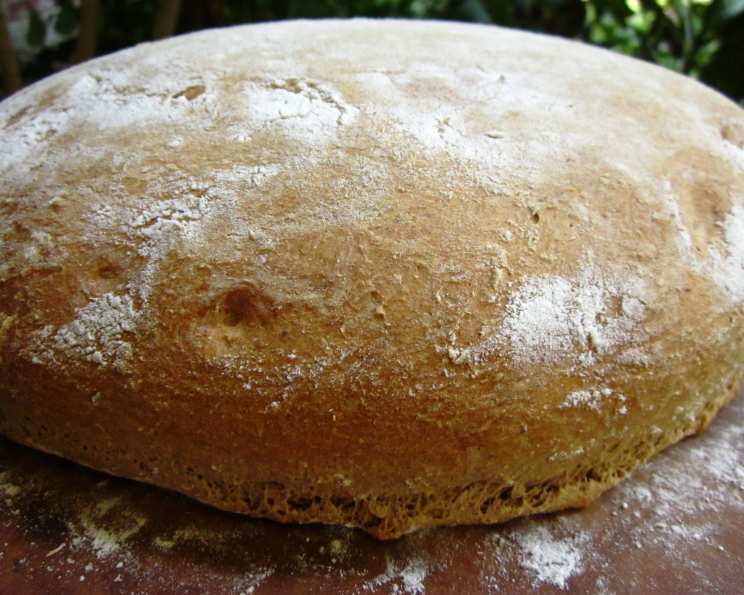
Hearty and Homely: Baking Authentic Swedish Rye Bread
The scent of rye baking in the oven instantly transports me back to my grandmother’s kitchen. I remember watching her, small hands dusted with flour, as she transformed simple ingredients into loaves of dark, fragrant bread. Each slice was a taste of tradition, a comfort on cold winter days, and a testament to the simple joy of baking from scratch. It’s a taste I’ve strived to recreate ever since.
Recipe Overview
- Prep Time: 30 minutes
- Rise Time: 3.5 hours
- Cook Time: 30 minutes
- Total Time: 4 hours 30 minutes
- Yield: 2 loaves
- Dietary Type: Vegetarian
Ingredients
- 1/4 ounce dry yeast
- 1/4 cup warm water (110 degrees F)
- 1/4 cup dark brown sugar
- 1/4 cup dark molasses
- 1 tablespoon salt
- 2 tablespoons shortening (Crisco)
- 1 1/2 cups hot water
- 2 1/2 cups rye flour
- 3 tablespoons caraway seeds
- 4 cups unbleached flour, sifted, or 4 cups bread flour
Equipment Needed
- Glass measuring cups (1 cup and 2 cup)
- Thermometer
- Large mixing bowl
- Electric hand mixer (optional)
- Clean kitchen towel
- Greased bowl
- Bread knife
- Greased baking sheet
Instructions
- Begin by activating the yeast. In a 1-cup glass measuring cup, pour the warm water and use a thermometer to ensure it’s around 110°F. Sprinkle the dry yeast over the water and let it stand until foamy.
- Next, prepare the shortening mixture. In a 2-cup glass measuring cup, combine the hot water and shortening. Microwave until the shortening is melted and the water is hot.
- In a large mixing bowl, combine the dark brown sugar, dark molasses, and salt.
- Pour the hot shortening water into the bowl with the sugar mixture. Make sure to get all of the molasses out of the measuring cup. Stir until the sugar dissolves completely.
- Allow the mixture to cool to lukewarm (around 85°F). You don’t want the temperature to be too high, as it could kill the yeast.
- Once cooled, stir in the rye flour and beat well. An electric hand mixer can be used to ensure a smooth and consistent batter.
- Add the proofed yeast and caraway seeds to the bowl, and mix thoroughly.
- Gradually stir in enough unbleached flour or bread flour to form a soft dough.
- Cover the bowl with a clean kitchen towel and let the dough rest for 10 minutes.
- Generously sprinkle a kneading surface with flour. Turn the dough out onto the floured surface and knead for 10 minutes until the dough is smooth and elastic.
- Place the kneaded dough in a lightly greased bowl, turning to coat all surfaces.
- Cover the bowl and let it rise in a warm, draft-free space until it has doubled in size, approximately 2 hours.
- Once doubled, punch down the dough to release the air.
- Turn the dough out onto a lightly floured surface.
- Divide the dough in half using a bread knife.
- Shape each piece into a smooth ball, cover, and let rest for 10 minutes (proofing).
- Form each ball into two round loaves and place them on a greased baking sheet.
- Cover the loaves and let them rise in a warm place (such as an oven with the light on) until they have doubled again, about 1 1/2 hours. Important: Remove the loaves from the oven before preheating it.
- Bake in a preheated oven at 375°F for approximately 30 minutes.
- If the loaves start to brown too quickly during baking, you can cover them with foil near the end of the baking time.
- Once baked, brush the tops of the loaves with butter for a soft crust.
Expert Tips & Tricks
- For a deeper rye flavor, consider using a rye starter (sourdough).
- The resting period after mixing the dough allows the gluten to relax, resulting in a more tender crumb.
- Adjust baking time slightly depending on your oven. The bread is done when it sounds hollow when tapped on the bottom.
- If your kitchen is cold, you can create a warm environment for rising by placing the dough in an oven preheated to a very low temperature (around 100°F) and then turned off.
- Don’t skip the brushing with butter! It gives the crust a beautiful sheen and adds richness.
Serving & Storage Suggestions
This Swedish Rye Bread is fantastic served warm with butter or used to make sandwiches. It pairs exceptionally well with savory toppings like smoked salmon, sharp cheeses, or hearty soups. Store leftover bread in an airtight container at room temperature for up to 3 days, or freeze for longer storage. To reheat, wrap the bread in foil and warm it in a low oven (300°F) until heated through.
Nutritional Information
| Nutrient | Amount per Serving | % Daily Value |
|---|---|---|
| Calories | 1739.8 kcal | N/A |
| Calories from Fat | N/A | 10% |
| Total Fat | 19 g | 29% |
| Saturated Fat | 3.9 g | 19% |
| Cholesterol | 0 mg | 0% |
| Sodium | 3528.8 mg | 147% |
| Total Carbohydrate | 351.9 g | 117% |
| Dietary Fiber | 26.6 g | 106% |
| Sugars | 52.2 g | 208% |
| Protein | 43.1 g | 86% |
Variations & Substitutions
- For a sweeter bread, add a touch more molasses or honey.
- Experiment with different seeds like fennel or anise in addition to the caraway.
- For a gluten-free version, use a blend of gluten-free flours designed for bread baking, but be aware the texture will change.
- You can substitute the shortening with butter or coconut oil for a slightly different flavor profile.
FAQs (Frequently Asked Questions)
Q: Why is my rye bread so dense?
A: Rye flour contains less gluten than wheat flour, so it’s important not to over-knead the dough. Also, ensuring proper rising times will help create a lighter texture.
Q: Can I use instant yeast instead of active dry yeast?
A: Yes, you can. Just mix it directly with the dry ingredients and skip the initial proofing step.
Q: How can I tell if the bread is fully baked?
A: The bread should have a deep golden-brown color and sound hollow when you tap on the bottom. An internal temperature of 200-210°F is ideal.
Q: Can I freeze this bread?
A: Absolutely! Wrap the cooled bread tightly in plastic wrap and then in foil. It can be frozen for up to 3 months.
Q: What’s the best way to slice rye bread?
A: Use a serrated bread knife and slice with a gentle sawing motion to avoid crushing the loaf.
Final Thoughts
Don’t be intimidated by the slightly longer process – baking this Swedish Rye Bread is a labor of love that rewards you with a deeply satisfying and flavorful loaf. Gather your ingredients, embrace the aroma that will fill your kitchen, and create a taste of tradition in your own home. Share your experience and any variations you try – I’d love to hear about your baking adventures! Pair a slice with a bowl of hearty soup for the ultimate comfort meal.