
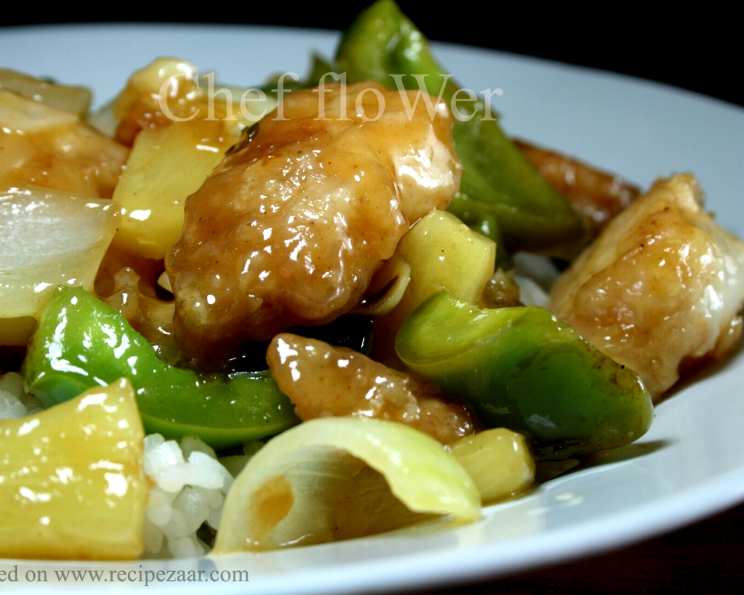
Sweet and Sour Fish: A Culinary Journey Back to Childhood
My earliest memories are filled with the vibrant aromas of my grandmother’s kitchen, a place where love was always the main ingredient. One dish that stands out is her Sweet and Sour Fish. I can still picture her meticulously preparing each element, the tangy-sweet scent of the sauce mingling with the savory fragrance of the crispy, golden fish. It was a dish that transformed our simple family meals into joyful celebrations, a reminder of the power of food to evoke warmth, connection, and unforgettable moments. Recreating it today brings me right back to her bustling kitchen and the comforting embrace of her love.
Recipe Overview
- Prep Time: 45 minutes
- Cook Time: 25 minutes
- Total Time: 1 hour 10 minutes
- Servings: 4
- Dietary Type: Pescatarian
Ingredients
For the Fish:
- 450g white fish fillets, skinned, boned and cubed (at least 2 cm or more)
- ½ teaspoon Chinese five-spice powder
- 1 teaspoon light soy sauce
- 1 egg, lightly beaten
- 2-3 tablespoons cornflour
- Peanut oil, for deep frying (Groundnut oil)
For the Sauce:
- 2 teaspoons cornflour
- 4 tablespoons water
- 4 tablespoons pineapple juice
- 3 tablespoons Chinese rice vinegar
- 3 tablespoons caster sugar
- 2 teaspoons light soy sauce
- 2 tablespoons tomato ketchup
- 2 teaspoons Chinese rice wine or 2 teaspoons medium-dry sherry
- 3 tablespoons peanut oil (Groundnut oil)
- 1 garlic clove, crushed
- 1 tablespoon fresh gingerroot, chopped
- 6 spring onions, sliced diagonally into 5 cm lengths
- 1 green capsicum, seeded and cut into 2 cm pieces
- 115g fresh pineapple, cut into 2 cm pieces
- Salt and fresh ground pepper to taste
Equipment Needed
- Mixing bowls
- Wok or large frying pan
- Deep fryer or large pot for deep frying
- Slotted spoon or spider
- Paper towels
- Whisk
Instructions
- Prepare the Fish: Place the cubed fish in a bowl. Sprinkle the Chinese five-spice powder and light soy sauce over the fish. Gently toss to coat the fish evenly in the spices and soy sauce.
- Marinate the Fish: Cover the bowl and marinate the fish in the refrigerator for approximately 30 minutes. This allows the flavors to penetrate the fish, adding depth to the final dish.
- Coat the Fish: In a separate bowl, lightly beat the egg. Prepare a shallow dish with the cornflour. Dip each piece of marinated fish into the beaten egg, ensuring it is fully coated. Then, dredge the egg-coated fish in the cornflour, shaking off any excess. The cornflour will create a crispy coating during frying.
- Deep Fry the Fish: Half-fill a wok or large pot with peanut oil. Heat the oil to 190°C (375°F). If you don’t have a thermometer, test the oil by dropping a small piece of cornflour-coated fish into the oil; it should sizzle immediately and turn golden brown within a couple of minutes.
- Fry in Batches: Carefully deep fry the fish in batches, being careful not to overcrowd the wok. Overcrowding can lower the oil temperature, resulting in soggy fish. Fry each batch for about 2 minutes, or until the fish is golden brown and cooked through.
- Drain and Keep Warm: Using a slotted spoon or spider, remove the fried fish from the oil and drain on a plate lined with paper towels to remove excess oil. Keep the fried fish warm in a preheated oven at a low temperature while you prepare the sauce.
- Prepare the Sauce: In a bowl, blend together the cornflour, water, pineapple juice, Chinese rice vinegar, caster sugar, light soy sauce, tomato ketchup, and Chinese rice wine (or sherry). Whisk well until the cornflour is completely dissolved and the mixture is smooth. Set aside.
- Sauté Aromatics: Carefully pour off all but about 2 teaspoons of the oil from the wok and wipe clean with a paper towel. Reheat the wok until hot. Add the remaining 2 teaspoons of peanut oil and swirl it around to coat the surface. Add the crushed garlic and chopped ginger and stir-fry for a few seconds until fragrant, being careful not to burn the garlic.
- Add Vegetables and Pineapple: Add the sliced spring onions and green capsicum to the wok and stir-fry over medium heat for about 2 minutes, until they begin to soften slightly. Add the fresh pineapple pieces.
- Simmer the Sauce: Pour in the sauce mixture and cook, stirring constantly, until the sauce thickens and becomes glossy. This should take about 2-3 minutes.
- Finish the Sauce: Stir in the remaining 1 tablespoon of peanut oil to add shine and richness to the sauce. Season the sauce with salt and freshly ground black pepper to taste.
- Combine and Serve: Pour the sweet and sour sauce over the fried fish and serve immediately. Ensure all the fish is coated in the sauce before serving.
Expert Tips & Tricks
- Crispy Fish Secret: Ensure the oil is hot enough before frying the fish. If it’s not hot enough, the fish will absorb the oil and become soggy.
- Marinating Matters: Don’t skip the marinating step. It adds depth of flavor to the fish and helps keep it moist during frying.
- Sauce Consistency: Adjust the cornflour in the sauce if you prefer a thicker or thinner consistency.
- Vegetable Variety: Feel free to add other vegetables to the sauce, such as bell peppers of different colors, carrots, or even mushrooms.
- Pineapple Perfection: If fresh pineapple isn’t available, canned pineapple chunks (drained well) can be used. However, fresh pineapple will provide a brighter flavor.
Serving & Storage Suggestions
Serve the Sweet and Sour Fish immediately over a bed of steamed rice or noodles for a complete and satisfying meal. Garnish with extra sliced spring onions or a sprinkle of sesame seeds for added visual appeal.
Leftovers can be stored in an airtight container in the refrigerator for up to 2 days. However, keep in mind that the fish will lose some of its crispness as it sits in the sauce. To reheat, gently warm the dish in a skillet over medium heat or in the microwave. Avoid overheating, as this can make the fish tough. Freezing is not recommended, as it will significantly affect the texture of the fish and sauce.
Nutritional Information
| Nutrient | Amount per Serving | % Daily Value |
|---|---|---|
| Calories | 328 kcal | N/A |
| Calories from Fat | 113g | 35% |
| Total Fat | 12.7 g | 19% |
| Saturated Fat | 2.4 g | 11% |
| Cholesterol | 108.4 mg | 36% |
| Sodium | 447.9 mg | 18% |
| Total Carbohydrate | 24.7 g | 8% |
| Dietary Fiber | 2 g | 7% |
| Sugars | 16.9 g | 67% |
| Protein | 29.1 g | 58% |
Note: Nutritional information is an estimate and may vary based on specific ingredients and portion sizes.
Variations & Substitutions
- Gluten-Free: Substitute the cornflour with tapioca starch or arrowroot powder for a gluten-free coating. Ensure the soy sauce is also gluten-free (tamari).
- Spicy Kick: Add a pinch of red pepper flakes or a dash of chili oil to the sauce for a spicy variation.
- Vinegar Variety: Experiment with different types of vinegar, such as apple cider vinegar or balsamic vinegar, for a unique twist on the sauce.
- Fish Options: While white fish fillets like cod or haddock are ideal, you can also use other types of fish such as tilapia or even prawns.
- Vegetarian Option: For a vegetarian version, substitute the fish with firm tofu, cut into cubes and pan-fried until golden brown.
FAQs (Frequently Asked Questions)
Q: Can I use canned pineapple instead of fresh?
A: Yes, canned pineapple chunks can be used, but be sure to drain them well. Fresh pineapple offers a brighter, more vibrant flavor.
Q: How do I prevent the fish from becoming soggy?
A: Ensure the oil is hot enough (190°C/375°F) before frying. Also, don’t overcrowd the wok, as this will lower the oil temperature.
Q: Can I make the sauce ahead of time?
A: Yes, you can prepare the sauce ahead of time and store it in the refrigerator for up to 2 days. Just be sure to whisk it well before using.
Q: What type of fish works best for this recipe?
A: White fish fillets like cod, haddock, or tilapia are excellent choices because they have a mild flavor that complements the sweet and sour sauce.
Q: How can I make the sauce thicker?
A: If the sauce is not thick enough, mix a little more cornflour with water (a slurry) and add it to the sauce while it’s simmering, stirring constantly until it reaches the desired consistency.
Final Thoughts
Sweet and Sour Fish is more than just a dish; it’s a culinary adventure that’s both comforting and exciting. I urge you to try this recipe and experience the delightful balance of flavors and textures. Feel free to adjust it to your liking, experiment with different ingredients, and most importantly, share it with loved ones. Don’t hesitate to leave feedback and let me know how your Sweet and Sour Fish turns out. Perhaps pair it with a crisp Sauvignon Blanc for an elevated experience! Happy cooking!