
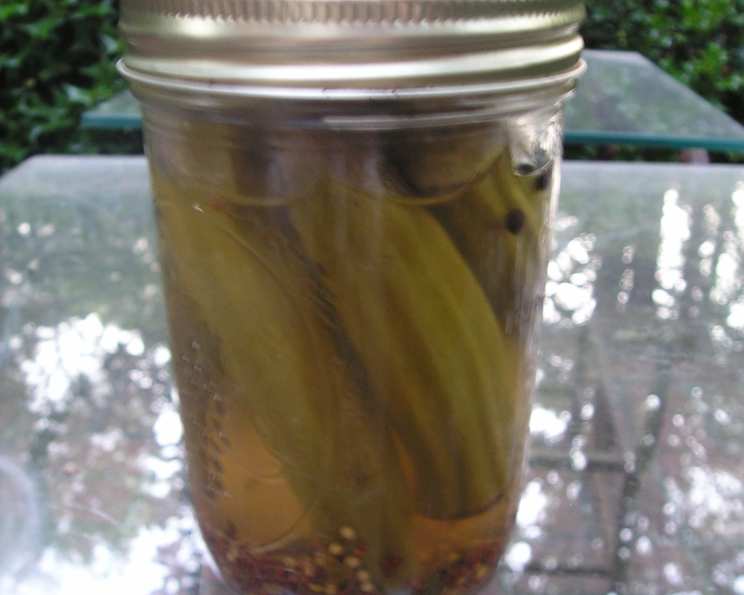
Sweet Dill Pickled Okra: A Southern Delicacy with a Twist
My grandmother, bless her heart, could pickle anything. From cucumbers to peaches, her pantry was a vibrant testament to the art of preservation. While I adored her sweet pickles, I was never quite taken with her pickled okra – until I tried this recipe. One bite, and I was transported back to her sun-drenched kitchen, but with a delightful sweet-and-tangy twist that won me over completely. The subtle sweetness, combined with the classic dill flavor, transforms the humble okra into a surprisingly addictive treat.
Recipe Overview
- Prep Time: 30 minutes
- Cook Time: 15 minutes
- Total Time: 45 minutes (plus processing and cooling)
- Yields: 6 pints
- Dietary Type: Vegan, Gluten-Free
Ingredients
- 3 lbs young fresh okra
- 6 cloves garlic
- 6 teaspoons celery seeds
- 6 hot peppers
- 6 teaspoons dill seeds
- 1/2 cup salt (not iodized)
- 1 cup sugar
- 1 quart water
- 1 quart white vinegar
Equipment Needed
- 6 pint-sized canning jars with lids and rings
- Large saucepan
- Canning tongs
- Jar lifter
- Wire rack
- Large pot for water bath canning
Instructions
-
Begin by thoroughly washing the okra. Trim the stems, leaving about 1/4 inch attached. This helps to prevent the pods from becoming mushy during pickling.
-
Prepare your canning jars. Sterilize the 6 pint jars by boiling them in water for 10 minutes. Keep them hot until ready to fill. You can also sterilize them in a dishwasher on a sanitize cycle.
-
In each sterilized jar, add the following: 1 clove of garlic, 1 teaspoon of celery seeds, 1 hot pepper, and 1 teaspoon of dill seeds. Distribute these ingredients evenly among the jars. If you prefer less heat, consider using a milder pepper or removing the seeds from the hot peppers before adding them to the jars.
-
Tightly pack the washed and trimmed okra into the prepared jars, leaving about 1/2 inch of headspace at the top. Try to arrange the okra vertically for a more attractive presentation.
-
In a large saucepan, combine the salt (ensuring it’s non-iodized, as iodine can darken the pickles), sugar, water, and white vinegar. Bring the mixture to a rolling boil over medium-high heat, stirring constantly until the salt and sugar are completely dissolved.
-
Carefully pour the hot brine over the okra in the jars, maintaining that 1/2 inch of headspace. Remove any air bubbles by gently tapping the jars on the counter or using a non-metallic utensil.
-
Wipe the rims of the jars with a clean, damp cloth to ensure a good seal. Place the lids on the jars, and screw on the bands until they are finger-tight (not too tight!).
-
Process the jars in a hot water bath. Place the filled jars in a large pot fitted with a rack. Add enough hot water to cover the jars by at least 1 inch. Bring the water to a rolling boil and process for 7 minutes. Adjust processing time for altitude.
-
Using a jar lifter, carefully remove the jars from the hot water bath and place them on a wire rack to cool completely. As the jars cool, you should hear a “popping” sound, which indicates that the jars have sealed properly.
-
Let the jars sit, undisturbed, for at least 24 hours. After 24 hours, check the seals by pressing down on the center of each lid. If the lid doesn’t flex or pop back up, it’s sealed. If a jar didn’t seal, you can either reprocess it with a new lid or store it in the refrigerator.
Expert Tips & Tricks
- Okra Selection: Choose small to medium-sized okra pods (about 3-4 inches long) for the best texture and flavor. Overly large pods can be tough and stringy.
- Brine Flavor: Adjust the amount of sugar to your liking. If you prefer a tangier pickle, reduce the sugar by a tablespoon or two. For a spicier kick, add more hot peppers or a pinch of red pepper flakes to the brine.
- Water Bath Canning: Ensure that the water completely covers the jars during processing. If the water level drops, add more boiling water to the pot.
- Jar Sealing: Properly sealed jars can be stored at room temperature. If a jar doesn’t seal, store it in the refrigerator and consume it within a few weeks.
Serving & Storage Suggestions
Sweet dill pickled okra is a versatile condiment that can be enjoyed in many ways. Serve it as a flavorful side dish with grilled meats, sandwiches, or salads. It’s also a delicious addition to charcuterie boards and relish trays.
Store sealed jars of pickled okra in a cool, dark place for up to one year. Once opened, refrigerate the jars and consume the contents within a few weeks.
Nutritional Information
(Estimated per serving – 1/6 of recipe)
| Nutrient | Amount per Serving | % Daily Value |
|---|---|---|
| Calories | 110 kcal | 6% |
| Total Fat | 0.5g | 1% |
| Saturated Fat | 0g | 0% |
| Cholesterol | 0mg | 0% |
| Sodium | 1878mg | 78% |
| Total Carbohydrate | 24g | 8% |
| Dietary Fiber | 4g | 16% |
| Sugars | 16g | |
| Protein | 2g | 4% |
Variations & Substitutions
- Spicy Pickled Okra: For a bolder flavor, add a few slices of fresh ginger or a teaspoon of crushed red pepper flakes to each jar.
- Dill-Free Pickled Okra: If you’re not a fan of dill, you can substitute it with other herbs like thyme, oregano, or bay leaves.
- Sweet and Sour Pickled Okra: Add a splash of apple cider vinegar or balsamic vinegar to the brine for a more complex flavor.
- Different Sweetener: You can replace the white sugar with brown sugar, honey, or maple syrup for a different flavor profile. Keep in mind that these alternative sweeteners may slightly alter the color and texture of the brine.
FAQs (Frequently Asked Questions)
Q: Can I use frozen okra for this recipe?
A: Fresh okra is highly recommended for the best texture and flavor. Frozen okra tends to become mushy during the pickling process.
Q: How long should I wait before eating the pickled okra?
A: It’s best to wait at least 2 weeks before eating the pickled okra to allow the flavors to fully develop.
Q: Can I reuse the pickling brine?
A: It’s not recommended to reuse pickling brine for food safety reasons. The brine has already been exposed to bacteria and may not properly preserve a second batch of vegetables.
Q: What if my pickled okra becomes soft or slimy?
A: This can happen if the okra is overcooked during processing or if the jars are not properly sealed. Ensure you follow the processing time and check the seals after cooling. Also, avoid using overly ripe or damaged okra pods.
Q: Can I use different types of peppers?
A: Absolutely! Feel free to experiment with different types of peppers, such as jalapeños, serranos, or banana peppers, to adjust the spiciness to your liking.
Final Thoughts
So there you have it, sweet dill pickled okra that is sure to be a hit with your friends and family! Don’t be intimidated by the canning process; it’s easier than you think, and the results are well worth the effort. I encourage you to give this recipe a try and experiment with different variations to create your own signature pickled okra. It’s a delightful Southern treat that will add a touch of sweetness and spice to any meal. Happy pickling!