
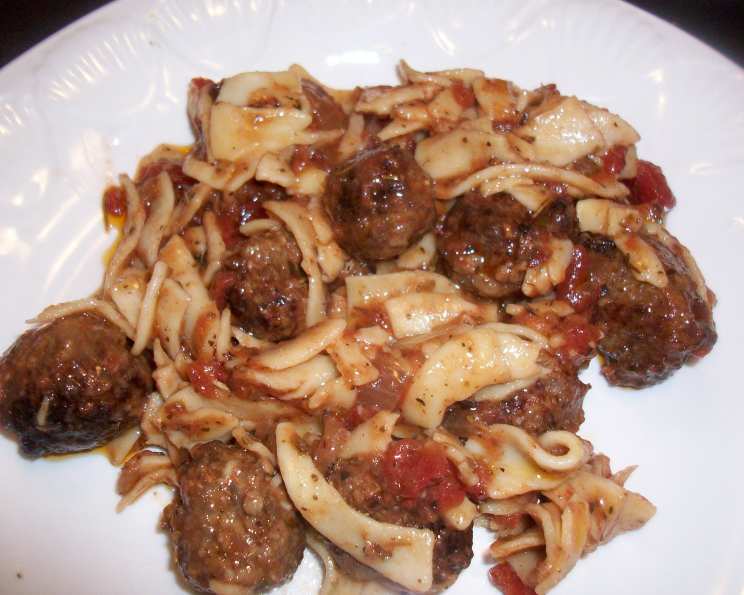
Sweet Italian Sausage and Vidalia Onion: A Symphony of Flavors
The aroma of sweet Italian sausage sizzling in a pan, mingling with the mellow sweetness of Vidalia onions – that’s the scent of home, at least in my book. It takes me back to my grandmother’s kitchen, where she’d be stirring a similar concoction, her wooden spoon rhythmically scraping the bottom of a well-worn cast iron skillet. The air would be thick with anticipation, the promise of a hearty meal that warmed you from the inside out. This recipe is my humble attempt to capture that comforting magic, and share it with you.
Recipe Overview
- Prep Time: 20 minutes
- Cook Time: 45 minutes
- Total Time: 1 hour 5 minutes
- Servings: 6
- Yield: Approximately 8 cups
- Dietary Type: Not specified (can be adapted to be gluten-free by serving over rice)
Ingredients
- 5 links sweet Italian sausage
- 1 large Vidalia onion (or other sweet onion)
- 1 (28 ounce) can diced tomatoes
- 2 medium summer squash
- 3 cloves minced garlic
- 2 bay leaves
- 1⁄4 teaspoon red pepper flakes
- 1⁄2 teaspoon celery seed
- 1⁄2 teaspoon dried rosemary
- 1⁄2 teaspoon black pepper
- 1 teaspoon sea salt
- 1 tablespoon Italian seasoning
- 1⁄4 cup extra virgin olive oil
Equipment Needed
- Large frying pan or Dutch oven
- Knife
- Cutting board
- Measuring spoons and cups
Instructions
-
Begin by heating the olive oil in a large frying pan or Dutch oven over medium-high heat. Ensure the pan is sufficiently heated before adding the sausage.
-
Remove the sweet Italian sausage from its casing. Slice the sausage into ½-inch thick rounds. This will allow for even browning and release more flavor into the dish.
-
Peel the Vidalia onion and slice it into ¼-inch thick slices. Vidalia onions are prized for their sweetness, but if you can’t find them, any sweet onion will work well.
-
Once the olive oil is heated in the pan, add the sliced Italian sausage. Spread the sausage in a single layer as much as possible to promote browning.
-
Cook the Italian sausage until it is browned on all sides. This usually takes about 5-7 minutes. Be careful not to overcrowd the pan; cook in batches if necessary to achieve proper browning.
-
Add the sliced onions and minced garlic to the pan with the browned sausage.
-
Cook the onions and garlic, stirring occasionally, until the onions become translucent and softened. This should take about 5-7 minutes.
-
Add the can of diced tomatoes to the pan, including the juice from the can. Do not drain the tomatoes, as the juice adds moisture and flavor to the sauce.
-
Add all the spices: red pepper flakes, celery seed, dried rosemary, black pepper, sea salt, and Italian seasoning. Mix thoroughly, being careful not to break up the sausage too much. The goal is to distribute the spices evenly throughout the sauce.
-
Bring the mixture to a boil. Once boiling, reduce the heat to medium-low.
-
Cover the pan tightly with a lid. This will help trap the steam and allow the flavors to meld together.
-
While the sauce is simmering, wash the summer squash.
-
Slice the summer squash into ¼-inch thick slices.
-
Remove the lid from the pan.
-
Gently stir the squash slices into the sauce. Be careful not to overstir, as you want the squash to retain its shape.
-
Replace the cover on the pan.
-
Reduce the burner to low heat.
-
Simmer the sauce for approximately 30 minutes, or until the squash is tender and the flavors have fully developed. Stir occasionally to prevent sticking.
-
Serve hot over jasmine rice or your favorite pasta. Garnish with fresh herbs if desired.
Expert Tips & Tricks
- For a richer flavor, consider adding a splash of red wine to the pan after browning the sausage and deglazing the bottom of the pan.
- If you prefer a smoother sauce, you can use crushed tomatoes instead of diced tomatoes.
- To control the level of heat, adjust the amount of red pepper flakes to your liking.
- For a deeper, more complex flavor, consider browning the sausage and onions a day ahead of time and storing them in the refrigerator. This allows the flavors to meld together even further.
- If your sauce becomes too thick during simmering, add a little chicken or vegetable broth to thin it out.
Serving & Storage Suggestions
Serve this delightful dish hot over freshly cooked jasmine rice or your favorite type of pasta. A sprinkle of grated Parmesan cheese or fresh basil adds a beautiful finishing touch. Leftovers can be stored in an airtight container in the refrigerator for up to 3 days. To reheat, simply warm it in a saucepan over medium heat until heated through. You can also freeze the leftovers for longer storage (up to 2 months). Thaw overnight in the refrigerator before reheating.
Nutritional Information
| Nutrient | Amount per Serving | % Daily Value* |
|---|---|---|
| Calories | 243 kcal | – |
| Calories from Fat | – | 57% |
| Total Fat | 15.3 g | 23% |
| Saturated Fat | 3.6 g | 18% |
| Cholesterol | 21 mg | 7% |
| Sodium | 1076.6 mg | 44% |
| Total Carbohydrate | 15.3 g | 5% |
| Dietary Fiber | 3.1 g | 12% |
| Sugars | 7.5 g | – |
| Protein | 13.5 g | 27% |
*Percent Daily Values are based on a 2,000 calorie diet.
Variations & Substitutions
- Spicy Sausage: For a spicier kick, use hot Italian sausage instead of sweet.
- Vegetarian Option: Substitute the sausage with plant-based sausage alternatives or add more vegetables like bell peppers, mushrooms, or zucchini.
- Gluten-Free: Ensure you’re serving this dish with gluten-free pasta or rice to keep it entirely gluten-free.
- Different Herbs: Experiment with other herbs like oregano, thyme, or basil to create your own unique flavor profile.
- Creamy Sauce: Add a splash of heavy cream or half-and-half during the last few minutes of cooking for a richer, creamier sauce.
FAQs (Frequently Asked Questions)
Q: Can I use frozen squash for this recipe?
A: While fresh squash is preferred for its texture, frozen squash can be used in a pinch. Be sure to thaw and drain it well before adding it to the sauce to prevent it from becoming too watery.
Q: How can I prevent the sauce from sticking to the bottom of the pan?
A: Stir the sauce occasionally, especially during the simmering process. Using a heavy-bottomed pan or Dutch oven can also help distribute the heat more evenly.
Q: Can I make this recipe ahead of time?
A: Absolutely! This dish is even better the next day, as the flavors have more time to meld together. Simply store it in an airtight container in the refrigerator and reheat when ready to serve.
Q: Is it necessary to remove the sausage from its casing?
A: Removing the sausage from its casing allows it to brown more evenly and release more flavor into the sauce. However, you can leave the sausage in its casing if you prefer. Just be sure to slice it into smaller pieces before adding it to the pan.
Q: Can I add other vegetables to this dish?
A: Absolutely! Feel free to add other vegetables like bell peppers, mushrooms, or zucchini. Add them to the pan along with the summer squash for the best results.
Final Thoughts
I hope this recipe for Sweet Italian Sausage and Vidalia Onion brings as much joy to your table as it has to mine over the years. It’s a dish that’s both simple to make and deeply satisfying to eat, perfect for a weeknight dinner or a cozy weekend gathering. Don’t be afraid to experiment with the ingredients and make it your own. And if you do, I’d love to hear about it! Share your feedback and any creative twists you come up with. Pair it with a crusty loaf of bread and a glass of your favorite red wine for the ultimate comforting meal. Happy cooking!