
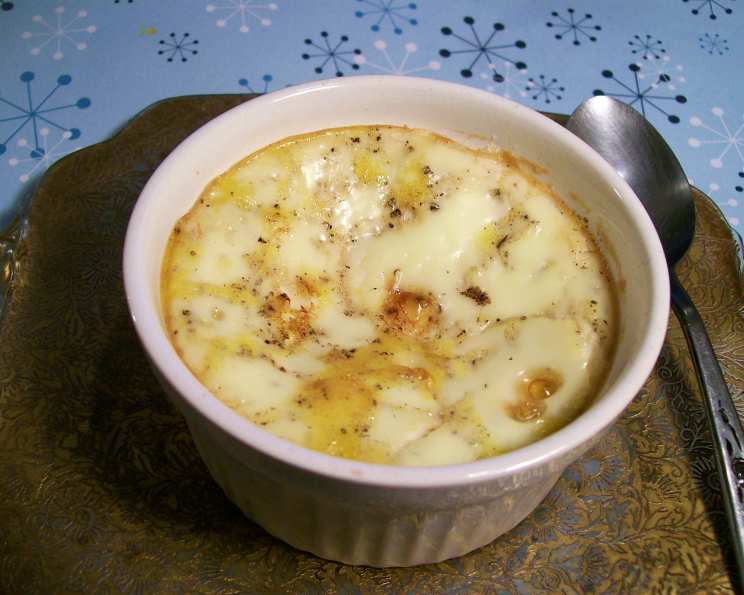
Sweet Maple Custard: A Taste of New England Comfort
I still remember the first time I tasted maple custard. It was late autumn, and the air was crisp and carried the scent of woodsmoke. My grandmother, a true New England matriarch, had spent the morning sugaring, collecting sap from the maple trees that surrounded her weathered farmhouse. Later that day, as the sun dipped low, casting long shadows across the fields, she presented me with a small ramekin of warm, golden custard, its surface gently trembling. The creamy sweetness, infused with the unmistakable aroma of maple, was pure magic – a taste of home, hearth, and heritage that I’ve cherished ever since.
Recipe Overview
- Prep Time: 10 minutes
- Cook Time: 40 minutes
- Total Time: 50 minutes
- Servings: 4
- Dietary Type: Vegetarian
Ingredients
- 3 eggs, beaten
- ½ cup maple syrup
- 2 cups whole milk
- ¼ teaspoon salt
- ¼ teaspoon nutmeg
Equipment Needed
- Mixing bowl
- Whisk
- Four individual ramekins
- Baking pan
- Oven
Instructions
- Preheat your oven to 350 degrees Fahrenheit (175 degrees Celsius).
- In a medium-sized mixing bowl, combine the beaten eggs, maple syrup, whole milk, salt, and nutmeg.
- Using a whisk, mix all the ingredients thoroughly until well combined. Ensure there are no streaks of egg yolk remaining.
- Divide the custard mixture evenly among the four individual ramekins.
- Place the ramekins in a baking pan. Carefully pour hot water into the pan until it reaches about halfway up the sides of the ramekins. This creates a water bath, also known as a bain-marie, which helps the custard cook evenly and prevents it from curdling.
- Carefully transfer the baking pan to the preheated oven.
- Bake for approximately 40 minutes, or until a knife inserted into the center of the custard comes out clean. The custard should be set around the edges but still have a slight jiggle in the very center. Don’t worry if it looks a little soft, it will firm up as it cools.
- Remove the baking pan from the oven and let the ramekins cool in the water bath for about 15 minutes. This helps to prevent cracking.
- After cooling in the water bath, remove the ramekins from the pan.
- Serve the sweet maple custard warm or chilled, according to your preference.
Expert Tips & Tricks
- Use Good Quality Maple Syrup: The flavor of the custard is heavily dependent on the maple syrup. Opt for a good quality, pure maple syrup for the best results. Grade A dark amber or Grade B (now known as “dark robust”) will provide a richer maple flavor.
- Don’t Overbake: Overbaking the custard will cause it to become rubbery and lose its silky texture. Check for doneness frequently towards the end of the baking time.
- The Water Bath is Key: The water bath ensures that the custard cooks gently and evenly, preventing it from curdling or cracking. Make sure the water is hot when you pour it into the pan.
- Prevent a Skin From Forming: To prevent a skin from forming on the surface of the custard while baking, you can tent the baking pan loosely with foil. Be sure to remove the foil for the last 10 minutes of baking to allow the surface to lightly brown.
- Subtle Flavor Boost: For an even more complex flavor profile, consider adding a tiny pinch of ground cardamom or a splash of vanilla extract to the custard mixture.
Serving & Storage Suggestions
This sweet maple custard can be served either warm, straight from the oven, or chilled for a refreshing treat. A dollop of whipped cream or a sprinkle of chopped pecans would be lovely additions. For a more sophisticated presentation, consider garnishing with a few fresh berries or a drizzle of extra maple syrup.
Leftover custard should be stored in the refrigerator, covered tightly with plastic wrap or in an airtight container. It will keep well for up to 3 days. While you can freeze custard, the texture may change upon thawing, becoming somewhat grainy. Therefore, it’s best enjoyed fresh or within a few days. Reheat gently in the microwave in 30-second intervals, or enjoy it cold straight from the fridge.
Nutritional Information
| Nutrient | Amount per Serving | % Daily Value* |
|---|---|---|
| Calories | 234 kcal | N/A |
| Calories from Fat | 70 kcal | N/A |
| Total Fat | 7.8 g | 12% |
| Saturated Fat | 3.5 g | 17% |
| Cholesterol | 170.8 mg | 56% |
| Sodium | 250.3 mg | 10% |
| Total Carbohydrate | 32.9 g | 10% |
| Dietary Fiber | 0 g | 0% |
| Sugars | 30.7 g | N/A |
| Protein | 8.7 g | 17% |
*Percent Daily Values are based on a 2,000 calorie diet.
Variations & Substitutions
- Dairy-Free Version: Substitute the whole milk with full-fat coconut milk or almond milk for a dairy-free alternative. The coconut milk will impart a slight coconut flavor.
- Spice It Up: Experiment with different spices. Try adding a pinch of cinnamon, ginger, or even a dash of cayenne pepper for a subtle kick.
- Maple Extract Boost: If you want an even more intense maple flavor, add a teaspoon of pure maple extract to the custard mixture. Be careful not to add too much, as it can become overpowering.
- Brown Sugar Variation: For a richer, more caramel-like flavor, substitute a portion of the maple syrup with brown sugar.
- Citrus Zest: Add the zest of one orange or lemon to the custard mixture for a bright, refreshing twist.
FAQs (Frequently Asked Questions)
Q: Can I use a different type of milk?
A: Yes, you can substitute the whole milk with other types of milk such as 2% milk, skim milk, or even plant-based milk like almond milk or soy milk. Keep in mind that using a lower-fat milk will result in a less creamy custard.
Q: Can I make this ahead of time?
A: Absolutely! In fact, the flavors tend to meld together even more when the custard is chilled for a few hours or overnight. Just be sure to cover it tightly to prevent it from absorbing any unwanted flavors from the refrigerator.
Q: How do I know when the custard is done?
A: The best way to check for doneness is to insert a knife into the center of the custard. If the knife comes out clean, the custard is ready. It should be set around the edges but still have a slight jiggle in the very center.
Q: Can I use a different type of sweetener?
A: While maple syrup is the star of this recipe, you could experiment with other sweeteners such as honey or agave nectar. However, keep in mind that this will alter the flavor profile of the custard.
Q: What if my custard curdles?
A: Curdling usually happens when the custard is cooked at too high a temperature or for too long. The water bath helps prevent this, but if it does happen, don’t despair! You can try blending the custard gently with an immersion blender to smooth it out, although the texture may still be slightly affected.
Final Thoughts
Sweet maple custard is more than just a dessert; it’s a comforting embrace in a bowl, a celebration of simple ingredients transformed into something truly special. I encourage you to give this recipe a try, to experience the taste of New England heritage for yourself. Don’t be afraid to experiment with variations and make it your own. And, most importantly, share it with loved ones – because the best flavors are always those enjoyed together. Consider pairing it with a cup of strong black coffee or a glass of chilled cider for the perfect autumnal treat. Happy baking!