
Sweet Pickled Beets: A Taste of Nostalgia and Garden Bounty
The memory is so clear: standing on a small, rickety stool in my grandmother’s sun-drenched kitchen, the earthy aroma of beets simmering on the stove filling the air. The deep crimson stain seeped into the wooden spoon as I stirred, mesmerized by the transformation of humble root vegetables into glistening jewels. Canning day was a sacred ritual, and the sweet, tangy taste of pickled beets always felt like a warm hug from Grandma herself. Now, years later, I carry on this tradition, the vibrant jars lining my pantry a reminder of family, love, and the simple pleasures of preserving the harvest.
Recipe Overview
- Prep Time: 30 minutes
- Cook Time: 1 hour 30 minutes
- Total Time: 3 hours 30 minutes
- Yields: 4 pints
- Serves: 8
- Dietary Type: Gluten-Free, Vegetarian
Ingredients
- 1 bunch fresh beets (any size will do)
- 1 cup sugar
- 1 cup water
- 1 cup vinegar
- 1 tablespoon allspice, heaping
Equipment Needed
- Large pots or kettles
- Fork
- Knife
- Cutting board
- Measuring cups and spoons
- Canning jars (pint-sized) with lids and rings
- Jar lifter
- Boiling water bath canner
Instructions
-
Begin by preparing the beets. Trim the leaves off the beet, leaving about 3 inches of the stem attached to prevent the beets from bleeding during cooking. (Don’t discard the greens! They’re delicious sautéed with garlic and olive oil.)
-
Separate the beets by size. This ensures even cooking; smaller beets will cook faster than larger ones. I like to use multiple pots, if available, to speed up the boiling process.
-
Place the beets in the pot(s) and cover with water. Do not add salt to the water, as it can affect the texture of the beets.
-
Bring the water to a boil over high heat, then reduce the heat to medium and simmer until the beets are tender. You can check for doneness by piercing a beet with a fork, similar to testing a potato. The fork should slide in easily with minimal resistance. Cooking time will vary depending on the size of the beets, but typically ranges from 30 minutes to 1 hour.
-
Once the beets are tender, drain them and discard the cooking liquid. Allow the beets to cool enough to handle comfortably.
-
Once cooled, peel the beets. The skins should slip off easily. If not, you can use a paring knife to assist.
-
Cut the beets into ½-inch pieces. Very small beets can be left whole, if desired.
-
In a separate large pot or kettle, combine the brine ingredients: sugar, water, vinegar, and allspice.
-
Bring the brine to a boil over medium-high heat.
-
Reduce the heat to low and simmer for 10 minutes, allowing the flavors to meld. Taste the brine and adjust the sugar or vinegar to your preference, if necessary. Remember, you may need to make more brine depending on the amount of beets you have. It’s better to have extra than not enough.
-
While the brine simmers, prepare your canning jars. Wash the pint jars and lids thoroughly with hot, soapy water. Rinse well. You can sterilize the jars by boiling them in water for 10 minutes, but this is not strictly necessary if you are processing the filled jars for the recommended time.
-
Pack the cut beets into the clean pint jars, leaving ½-inch of headspace (the space between the top of the beets and the rim of the jar).
-
Ladle the boiling brine into the jars, covering the beets and maintaining the ½-inch headspace. Use a non-metallic utensil to gently remove any air bubbles trapped inside the jar.
-
Wipe the rims of the jars with a clean, damp cloth to ensure a good seal.
-
Place the lids on the jars and screw on the rings fingertip-tight. This means tightening the rings until you feel resistance, then backing off slightly. Do not overtighten.
-
Carefully lower the filled jars into a boiling water bath canner filled with enough boiling water to cover the jars by at least 1 inch.
-
Bring the water back to a rolling boil, then process the jars for 30 minutes. Ensure the water remains at a rolling boil throughout the processing time. For altitudes above 1,000 feet, increase the processing time accordingly (consult a canning guide for specific adjustments).
-
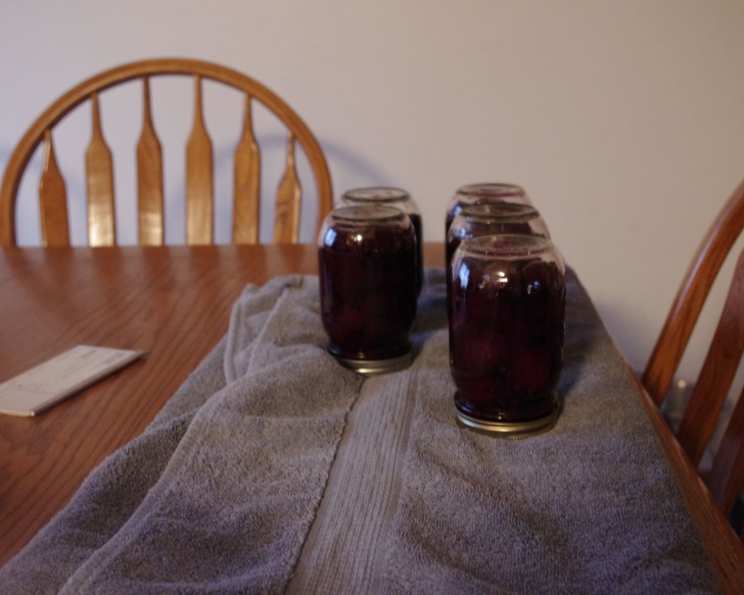
After processing, turn off the heat and carefully remove the jars from the canner using a jar lifter. Place the jars on a towel-lined counter, leaving space between them for air circulation.
-
Allow the jars to cool undisturbed for 12-24 hours. As the jars cool, you should hear a “pop” sound as the lids seal.
-
After 24 hours, check the seals by pressing down on the center of each lid. If the lid does not flex or move, it is properly sealed. If the lid flexes, the jar is not sealed and should be refrigerated and consumed within a week, or reprocessed with a new lid.
-
Any leftover brine can be stored in the refrigerator for future use.
Expert Tips & Tricks
- For a richer flavor, try using apple cider vinegar instead of white vinegar.
- Add a pinch of red pepper flakes to the brine for a touch of heat.
- To prevent staining your hands while peeling the beets, wear gloves or rub your hands with lemon juice or vinegar afterward.
- If you don’t have allspice, you can substitute a combination of cloves, cinnamon, and nutmeg.
- Don’t be afraid to experiment with different herbs and spices. A bay leaf or a sprig of thyme added to the brine can add a subtle layer of complexity.
Serving & Storage Suggestions
Sweet pickled beets are a versatile condiment that can be enjoyed in a variety of ways. Serve them as a side dish with roasted meats, poultry, or fish. Add them to salads for a pop of color and flavor. They’re also delicious on sandwiches or as part of a charcuterie board.
Properly sealed jars of sweet pickled beets can be stored in a cool, dark place for up to one year. Once opened, refrigerate the jars and consume within a few weeks.
Nutritional Information
| Nutrient | Amount per Serving | % Daily Value |
|---|---|---|
| Calories | 104.1 kcal | N/A |
| Total Fat | 0.1 g | 0% |
| Saturated Fat | 0 g | 0% |
| Cholesterol | 0 mg | 0% |
| Sodium | 2.3 mg | 0% |
| Total Carbohydrate | 25.6 g | 8% |
| Dietary Fiber | 0.2 g | 0% |
| Sugars | 25 g | 99% |
| Protein | 0.1 g | 0% |
Note: Nutritional information is an estimate and may vary based on specific ingredients and portion sizes.
Variations & Substitutions
- Spicy Pickled Beets: Add sliced jalapenos or a pinch of cayenne pepper to the brine for a spicy kick.
- Maple-Sweetened Pickled Beets: Substitute maple syrup for some or all of the sugar for a more natural sweetness.
- Herbed Pickled Beets: Add fresh herbs like dill, thyme, or rosemary to the brine for a fragrant twist.
- Pickled Golden Beets: Use golden beets instead of red beets for a milder flavor and vibrant yellow color.
FAQs (Frequently Asked Questions)
Q: Can I use beets of different colors in the same jar?
A: Yes, you can! Combining red, golden, and even Chioggia (striped) beets can create a visually appealing jar of pickled beets. Just be aware that the colors may bleed into each other slightly.
Q: Do I have to peel the beets before pickling?
A: Yes, peeling the beets is recommended, as the skins can be tough and bitter. However, if you prefer, you can leave the skins on, especially if using young, tender beets.
Q: Can I use a different type of vinegar?
A: Yes, you can experiment with different types of vinegar, such as apple cider vinegar, red wine vinegar, or balsamic vinegar. Each vinegar will impart a unique flavor to the pickled beets.
Q: How long do I need to wait before eating the pickled beets?
A: It’s best to wait at least 2 weeks after canning before eating the pickled beets. This allows the flavors to fully develop and meld together.
Q: My brine is too sweet. How can I fix it?
A: If your brine is too sweet, add a splash of vinegar or lemon juice to balance the flavors. Taste and adjust until you reach your desired level of sweetness.
Final Thoughts
Canning sweet pickled beets is more than just preserving food; it’s about preserving memories, connecting with the earth, and sharing a taste of homemade goodness. So gather your beets, your jars, and your loved ones, and embark on this delicious journey. Don’t hesitate to experiment with different flavors and seasonings to create your own signature pickled beet recipe. And most importantly, enjoy the process and share the fruits (or, in this case, the roots!) of your labor with friends and family. They’ll thank you for it! Perhaps pair your tangy beets with a creamy goat cheese salad or alongside a hearty roast pork dinner for the perfect complement. Cheers to preserving the simple joys of life, one jar at a time!