
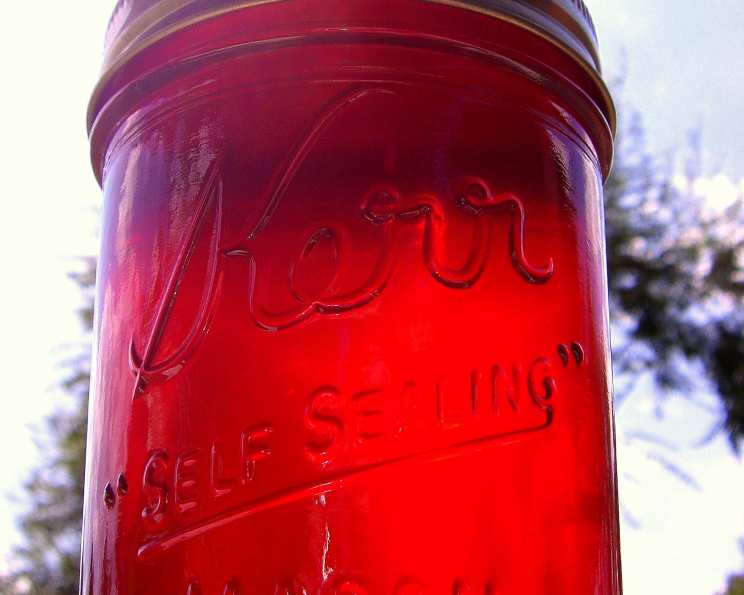
Sweet Pomegranate Jelly: A Taste of Autumn Sunshine
The scent of pomegranates always transports me back to my grandmother’s kitchen. I remember her patiently peeling each fruit, the juice staining her fingers crimson, and the rhythmic clinking of seeds falling into a glass bowl. She would transform this vibrant fruit into the most beautiful ruby-red jelly, a taste of autumn that brightened even the coldest winter days. Sharing a jar of her pomegranate jelly always felt like receiving a jar of sunshine – a memory I cherish and a tradition I’m thrilled to share.
Recipe Overview
- Prep Time: 20 minutes
- Cook Time: 25 minutes
- Total Time: 45 minutes
- Servings: 8 (1 cup) jars
- Yield: Approximately 8 cups
- Dietary Type: Vegetarian, Gluten-Free, Dairy-Free
Ingredients
- 5 cups pomegranate juice (from approximately 10 pomegranates) or 5 cups bottled pure pomegranate juice (such as POM brand)
- 7 cups sugar
- 1 (3 ounce) envelope Certo liquid fruit pectin
Equipment Needed
- 8 (1/2 pint/1 cup) jars, with lids and rings
- Large (6 to 8 quart) saucepan
- Cheesecloth
- Large metal spoon
- Ladle
- Towel
Instructions
-
Prepare the Jars: Ensure you have 8 (1/2 pint/1 cup) jars, complete with lids and rings. Sterilize them according to standard canning procedures. This is crucial for proper sealing and preservation. Keep the jars hot until ready to fill.
-
Extract or Prepare the Juice: If using fresh pomegranates, peel them carefully to avoid getting juice on your clothes (it stains!). Extract the juice using a juicer or by pressing the seeds through a sieve or cheesecloth. Strain the extracted juice through cheesecloth to remove any remaining seeds or pulp. Alternatively, use 5 cups of bottled pure pomegranate juice, which can be found in the health food section of most supermarkets or at health food stores. Ensure that the juice is 100% pure pomegranate juice for the best flavor and consistency. A brand like POM is a reliable choice.
-
Combine Juice and Sugar: Pour the pomegranate juice into a large (6 to 8 quart) saucepan. The pan should not be more than 1/3 full to prevent boiling over. Stir in the sugar until completely dissolved.
-
Bring to a Boil: Place the saucepan over high heat and bring the juice to a full rolling boil, stirring constantly to prevent sticking and scorching. A “full rolling boil” is defined as a boil that continues even when stirred.
-
Add Pectin: Once the mixture reaches a full rolling boil, quickly stir in the Certo liquid fruit pectin. Continue to stir the mixture constantly.
-
Boil Again: Bring the mixture back to a full rolling boil (one that will not stir down) and boil hard for exactly 1 minute, stirring constantly. This step is crucial for the jelly to set properly. Do not overcook, as this can result in a tough jelly.
-
Remove from Heat and Skim: Remove the saucepan from the heat. Use a large metal spoon to skim off any foam that has formed on the surface of the jelly. This will result in a clearer, more attractive final product.
-
Ladle into Jars: Immediately ladle the hot jelly into the hot, sterilized jars, leaving a 1/4 inch headspace at the top of each jar. This headspace is essential for proper sealing.
-
Wipe and Seal: Wipe off any jelly that may be on the top of the jars, rims, and threads with a clean, damp cloth. This ensures a clean seal. Seal the jars with Dome lids and rings, tightening the rings fingertip-tight.
-
Invert Jars: Immediately invert the filled jars on a towel-lined surface. Let them stay inverted for 24 hours. This helps to create a vacuum seal.
-
Test for Seal: After 24 hours, set the jars upright and test for a proper seal. Press down on the center of the lid. If the lid doesn’t flex or pop, it is properly sealed. If the lid flexes, the jar did not seal properly and should be refrigerated and used promptly, or reprocessed using fresh lids.
-
Alternative Sealing (Non-Canning): If you are putting the jelly into other types of jars or glasses that are not intended for canning, you can immediately pour a thin layer of melted wax over the hot jelly to seal it. Alternatively, you can cover the jars with lids or cover them tightly with plastic wrap. These methods are suitable for jelly that will be stored in the refrigerator and consumed within a few weeks.
Expert Tips & Tricks
- Juice Quality: Using high-quality, pure pomegranate juice is key to a flavorful jelly. Avoid juices with added sweeteners or fillers.
- Sugar Adjustment: While the recipe calls for a specific amount of sugar for proper setting, you can slightly adjust the sugar level to your preference. However, reducing the sugar too much may affect the final consistency of the jelly.
- Testing for Doneness: If you’re unsure if the jelly has reached the setting point, you can perform a “cold plate test.” Place a small spoonful of the hot jelly on a chilled plate. If it wrinkles when you push it with your finger, it is ready.
- Preventing Crystalization: To help prevent sugar crystals from forming in your jelly, you can add a small amount of lemon juice (about 1 teaspoon per batch) along with the pectin.
Serving & Storage Suggestions
Pomegranate jelly is incredibly versatile. It can be served with toast, scones, or biscuits for breakfast or afternoon tea. It also makes a fantastic glaze for roasted meats, particularly lamb or duck. Serve it alongside a cheese board with soft cheeses like brie or goat cheese.
Store properly sealed jars of pomegranate jelly in a cool, dark place for up to 1 year. Once opened, refrigerate the jelly and use it within a few weeks. Unsealed jelly stored in the refrigerator should also be used within a few weeks.
Nutritional Information
(Note: Nutritional information is an estimate and may vary based on specific ingredients and preparation methods.)
| Nutrient | Amount per Serving | % Daily Value |
|---|---|---|
| Calories | 400 kcal | 20% |
| Total Fat | 0g | 0% |
| Saturated Fat | 0g | 0% |
| Cholesterol | 0mg | 0% |
| Sodium | 20mg | 1% |
| Total Carbohydrate | 100g | 33% |
| Dietary Fiber | 0g | 0% |
| Sugars | 95g | N/A |
| Protein | 0g | 0% |
Variations & Substitutions
- Pomegranate-Mango Jelly: Use a blend of pomegranate and mango juice for a tropical twist. Ensure the blend is 100% juice with no added sugar.
- Spiced Pomegranate Jelly: Add a pinch of cinnamon, cloves, or cardamom to the mixture while boiling for a warm, spiced flavor.
- Low-Sugar Jelly: While difficult due to the setting properties of sugar, experiment with using a sugar substitute pectin designed for low-sugar recipes. Be aware that the texture and flavor may differ.
- Other Fruit Combinations: Experiment with combining pomegranate juice with other fruit juices like apple, cranberry, or raspberry.
FAQs (Frequently Asked Questions)
Q: Can I use frozen pomegranate juice?
A: Yes, you can use frozen pomegranate juice. Make sure to thaw it completely before using it in the recipe.
Q: What if my jelly doesn’t set?
A: If your jelly doesn’t set properly, you can re-cook it. Add a little more pectin (about 1/4 of the original amount) and boil it again for 1 minute.
Q: Can I use less sugar?
A: While you can reduce the sugar slightly, be aware that it may affect the final consistency of the jelly. Sugar is crucial for the setting process.
Q: How long does homemade pomegranate jelly last?
A: Properly sealed jars of pomegranate jelly can last up to 1 year in a cool, dark place. Once opened, refrigerate and use within a few weeks.
Q: Do I have to invert the jars after filling?
A: Inverting the jars helps to create a vacuum seal, but it is not strictly necessary if you are using a water bath canning method.
Final Thoughts
I hope this recipe inspires you to create your own batch of sweet pomegranate jelly! It’s a delightful way to preserve the vibrant flavors of autumn and enjoy them throughout the year. Feel free to experiment with different variations and share your creations with friends and family. I’d love to hear about your experience and any unique twists you add to the recipe. Happy cooking!