
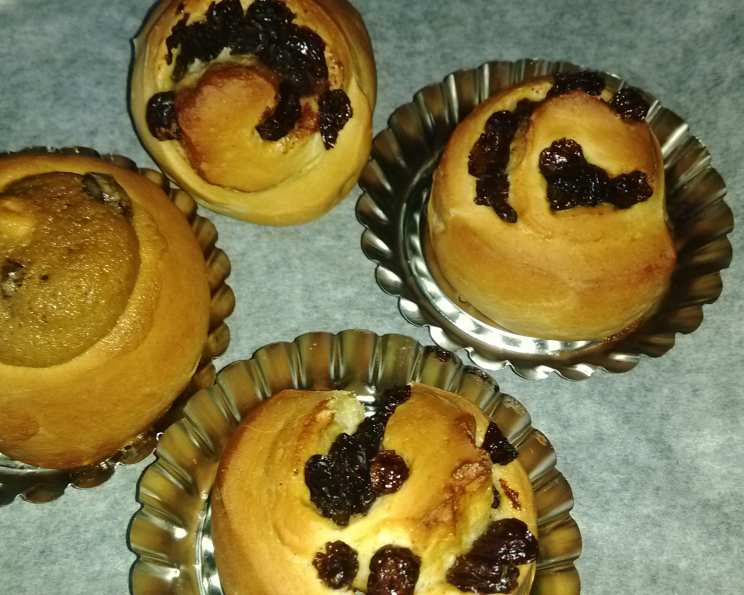
The Sweetest Start: Mastering the Art of Sweet Roll Dough
The scent of baking dough, warm with yeast and a touch of sweetness, is a time machine. I can almost feel the flour dusting my cheeks as a teenager, standing in my grandmother’s sunny kitchen, the air thick with anticipation. We were making cinnamon rolls – soft, pillowy clouds slathered in cream cheese frosting. That memory, etched in flour and sugar, is why I pour so much love into every batch of sweet roll dough I make. It’s not just a recipe; it’s a connection to family, tradition, and the simple joy of creating something delicious.
Recipe Overview
- Prep Time: 2 hours
- Cook Time: Variable, depending on the final product
- Total Time: 3 hours 30 minutes
- Servings: Variable, depends on the final product (e.g., 40 dinner rolls)
- Yield: Approximately 4 pounds of dough
- Dietary Type: Vegetarian
Ingredients
- 1/2 cup warm water
- 2 packages (1/4 ounce each) active dry yeast
- 1 1/2 cups milk, lukewarm
- 1/2 cup sugar
- 2 teaspoons salt
- 2 eggs
- 1/2 cup shortening
- 7 – 7 1/2 cups flour
Equipment Needed
- Large mixing bowl
- Measuring cups and spoons
- Floured surface for kneading
- Greased bowl for rising
- Damp cloth
- Oven
Instructions
-
Begin by activating the yeast. In a large mixing bowl, combine the 1/2 cup of warm water with the two packages of active dry yeast. Stir until the yeast is completely dissolved. Let this mixture sit for about 5-10 minutes, or until it becomes foamy. This step ensures the yeast is alive and active, crucial for a good rise.
-
Add the remaining wet ingredients. To the yeast mixture, add the 1 1/2 cups of lukewarm milk, 1/2 cup of sugar, 2 teaspoons of salt, 2 eggs, and 1/2 cup of shortening. Mix these ingredients together until well combined. The milk should be warm, but not hot, to avoid killing the yeast.
-
Incorporate the flour. Gradually add about half (3 1/2 – 3 3/4 cups) of the flour to the wet ingredients. Mix until the batter is smooth.
-
Kneading Time! Turn the dough out onto a lightly floured surface. Begin kneading, gradually incorporating the remaining flour. You may not need all of the flour; add it just until the dough is smooth and no longer sticky. Knead the dough for about 5 minutes, until it becomes smooth and elastic. Proper kneading develops the gluten, which gives the rolls their structure.
-
First Rise: Place the dough in a greased bowl, turning it so that the greased side is up. This prevents a skin from forming on the dough as it rises. Cover the bowl with a damp cloth to keep the dough from drying out.
-
Let it Rise: Place the bowl in a warm place and let the dough rise until it has doubled in size, about 1 1/2 hours. The warmer the environment, the faster the dough will rise. You can place it in a slightly warmed oven (turned off, of course!) or near a sunny window.
-
Punch It Down: Once the dough has doubled, punch it down to release the air. This step redistributes the yeast and results in a more even texture.
-
Second Rise: Let the dough rise again until it is almost double in size. This second rise contributes to a lighter, more airy final product.
-
Shaping & Baking: The dough is now ready to be shaped into your desired rolls. Whether you’re making classic cinnamon rolls, fluffy dinner rolls, or something entirely unique, this dough is your foundation. The baking time and temperature will vary depending on the specific roll you are making.
Expert Tips & Tricks
- Temperature is Key: Yeast thrives in warm environments. Ensure your water and milk are lukewarm, not hot, to avoid killing the yeast.
- Don’t Over-Flour: Adding too much flour will result in dry, dense rolls. Add flour gradually while kneading, just until the dough is no longer sticky.
- The Windowpane Test: To check if the dough has been kneaded enough, stretch a small piece of dough thin enough to see light through it without tearing. This is called the windowpane test and indicates the gluten has developed sufficiently.
- Proofing in the Oven: If your kitchen is cold, proof the dough in a slightly warmed oven. Turn the oven on to the lowest setting for a minute or two, then turn it off and place the dough inside.
- Freezing Dough: This dough freezes beautifully! After the first rise, punch it down, wrap it tightly in plastic wrap, and freeze for up to 3 months. Thaw overnight in the refrigerator before using.
Serving & Storage Suggestions
Serve your freshly baked rolls warm, ideally straight from the oven. For cinnamon rolls, slather generously with cream cheese frosting. Dinner rolls pair perfectly with butter and your favorite meal.
Store leftover rolls in an airtight container at room temperature for up to 2 days, or in the refrigerator for up to 5 days. For longer storage, freeze the rolls in an airtight container for up to 3 months. Reheat in a warm oven or microwave until heated through.
Nutritional Information
(Note: Nutritional information is an estimate and will vary depending on specific ingredients and serving size.)
| Nutrient | Amount per Serving (estimated) | % Daily Value (estimated) |
|---|---|---|
| Calories | 150 kcal | 8% |
| Total Fat | 5g | 8% |
| Saturated Fat | 2g | 10% |
| Cholesterol | 20mg | 7% |
| Sodium | 150mg | 7% |
| Total Carbohydrate | 20g | 7% |
| Dietary Fiber | 1g | 4% |
| Sugars | 5g | N/A |
| Protein | 3g | 6% |
Variations & Substitutions
- Whole Wheat Rolls: Substitute up to half of the all-purpose flour with whole wheat flour for a nuttier flavor and increased fiber.
- Dairy-Free Rolls: Replace the milk with a plant-based milk alternative like almond or soy milk. Use vegan shortening or coconut oil in place of regular shortening.
- Citrus Zest: Add the zest of an orange or lemon to the dough for a bright, aromatic flavor.
- Herb-Infused Rolls: Incorporate chopped fresh herbs like rosemary or thyme into the dough for savory dinner rolls.
- Sweet Potato Rolls: Replace 1/2 cup of the milk with 1/2 cup of mashed sweet potato for a moist and flavorful twist.
FAQs (Frequently Asked Questions)
Q: Why isn’t my dough rising?
A: Several factors can affect rising. Ensure your yeast is fresh and active, your liquids are lukewarm, and the environment is warm enough.
Q: Can I use bread flour instead of all-purpose flour?
A: Yes, bread flour can be used, but the rolls may be slightly chewier.
Q: My dough is too sticky, what do I do?
A: Gradually add more flour while kneading, a tablespoon at a time, until the dough is smooth and no longer sticky.
Q: How can I tell if my rolls are done baking?
A: The rolls should be golden brown on top and sound hollow when tapped on the bottom. An internal temperature of around 200°F (93°C) is ideal.
Q: Can I make the dough ahead of time and bake it later?
A: Yes, you can prepare the dough up to the shaping stage, then refrigerate it overnight. Let it come to room temperature for about 30 minutes before shaping and baking.
Final Thoughts
This sweet roll dough is more than just a recipe; it’s an invitation to create something truly special. Whether you’re baking for a holiday gathering, a cozy weekend breakfast, or simply to fill your home with the comforting aroma of freshly baked goods, this dough is a versatile foundation for countless delicious creations. So, gather your ingredients, embrace the process, and let the magic of baking unfold. Don’t be afraid to experiment with different flavors and fillings to make it your own. And most importantly, share your creations with those you love. Happy baking!