
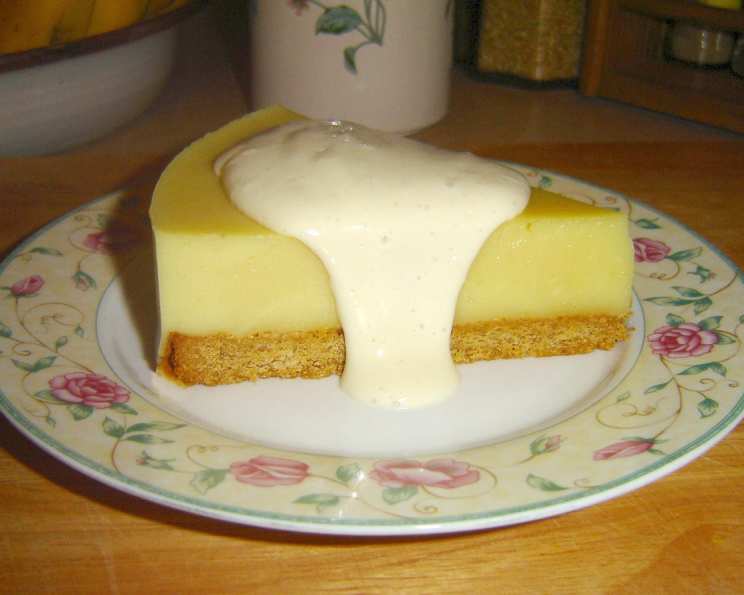
Sweet Vegan Cheesecake: A Culinary Revelation
The scent of toasted almonds always transports me back to my grandmother’s kitchen. She wasn’t vegan, not by a long shot, but she had a knack for making simple desserts feel incredibly special. This vegan cheesecake, with its delicate almond crust and creamy lemon filling, evokes that same sense of comforting indulgence. It’s a delightful paradox – rich and satisfying, yet entirely plant-based, a testament to the magic that happens when culinary creativity meets compassionate eating.
Recipe Overview
- Prep Time: 30 minutes
- Cook Time: 20 minutes
- Total Time: 50 minutes
- Servings: 12-16
- Yield: 1 tart
- Dietary Type: Vegan
Ingredients
For the Crust:
- 1/2 cup slivered almonds
- 2 tablespoons grapeseed oil
- 4 tablespoons maple syrup
- 1 cup brown rice flour (or 1 cup whole wheat pastry flour)
- 1/4 teaspoon salt
For the Filling:
- 14 ounces coconut milk (full-fat for best results)
- 1 1/2 cups water
- 1 cup raw sugar
- 4 tablespoons agar-agar flakes (or nearly 3 teaspoons agar powder)
- 1/8 teaspoon turmeric (for color only – do not exceed this amount)
- 3/4 cup fresh lemon juice
- 1 1/2 tablespoons lemon zest
- 2 teaspoons vanilla extract
- 1/4 cup arrowroot powder
Equipment Needed
- 9-inch tart pan (preferably with a removable bottom)
- Food processor or blender
- Saucepan
- Whisk
- Measuring cups and spoons
Instructions
-
Preheat your oven to 350°F (175°C). Lightly grease a 9-inch tart pan. Using a tart pan with a removable bottom will make serving much easier.
-
Prepare the Crust: In a food processor, pulse the slivered almonds until they are finely ground. You can also use a blender but be careful not to over-process into almond butter.
-
In a bowl, combine the ground almonds, grapeseed oil, maple syrup, brown rice flour (or whole wheat pastry flour), and salt. Mix well until a dough forms. The mixture will be somewhat dry, so adding a tiny bit more oil (a teaspoon at a time) is acceptable if needed to help it come together.
-
Press the crust mixture into the bottom of the prepared tart pan. If you’re using a tart pan with fluted sides, gently press the dough up the sides as well, ensuring an even thickness.
-
Prick the bottom of the crust a few times with a fork to prevent it from puffing up during baking.
-
Bake the crust for approximately 20 minutes, or until it is lightly golden brown. Keep a close eye on it to prevent burning, as ovens can vary.
-
Remove the crust from the oven and let it cool completely before adding the filling.
-
Prepare the Filling: In a small bowl, dissolve the arrowroot powder in 1/2 cup of water and set aside. This will be your thickening agent.
-
In a medium saucepan, combine the coconut milk, 1 cup of water, raw sugar, agar-agar flakes (or powder), and turmeric.
-
Simmer the mixture over medium heat, stirring constantly, until the agar-agar is completely dissolved. This usually takes between 6-8 minutes for flakes, and a little less time for powder. Be careful not to overcook the agar-agar, as this can weaken its gelling properties.
-
Stir in the lemon juice, lemon zest, and vanilla extract. Bring the mixture to a gentle boil.
-
Add the arrowroot/water mixture to the saucepan and boil for one minute, stirring constantly. It’s crucial to stir continuously during this step to prevent the agar-agar and arrowroot from clumping and sticking to the bottom of the pan. You’ll notice the mixture thickening as you stir.
-
Pour the filling into the cooled crust.
-
Let the cheesecake firm up completely before serving. This will take at least 2-3 hours in the refrigerator.
Expert Tips & Tricks
- For an extra burst of lemon flavor, consider adding a few drops of lemon essential oil to the filling along with the zest and juice. Just be sure it is food-grade.
- If you’re short on time, you can chill the filling in the freezer for a quicker set, but watch it carefully to prevent it from freezing solid.
- To prevent the crust from sticking to the tart pan, you can line the bottom with a circle of parchment paper before pressing the dough in.
- Adjust the sweetness to your preference. If you prefer a less sweet cheesecake, reduce the amount of raw sugar slightly.
- The turmeric is primarily for color. Don’t be tempted to add more than the recipe calls for, as it can affect the taste.
Serving & Storage Suggestions
To serve, carefully remove the cheesecake from the tart pan (if using one with a removable bottom). You can garnish it with fresh berries, a sprinkle of lemon zest, or a dusting of powdered sugar.
Store any leftover cheesecake in an airtight container in the refrigerator. It will keep for up to 3-4 days. While it can be frozen, the texture may change slightly upon thawing. It is best served chilled. Room temperature is okay for a short while, but refrigeration is recommended.
Nutritional Information
Please note that these are estimated values and may vary based on specific ingredients used.
| Nutrient | Amount per Serving | % Daily Value |
|---|---|---|
| Calories | 256 kcal | N/A |
| Calories from Fat | 107 g | 42% |
| Total Fat | 12 g | 18% |
| Saturated Fat | 6.7 g | 33% |
| Cholesterol | 0 mg | 0% |
| Sodium | 56 mg | 2% |
| Total Carbohydrate | 36.7 g | 12% |
| Dietary Fiber | 1.4 g | 5% |
| Sugars | 21.4 g | 85% |
| Protein | 2.6 g | 5% |
Variations & Substitutions
- Gluten-Free Crust: Ensure you use brown rice flour, or a gluten-free flour blend instead of whole wheat pastry flour. You could also use a store-bought gluten-free graham cracker crust.
- Different Citrus: While lemon is classic, try using lime or orange juice and zest for a different flavor profile.
- Nut-Free Crust: Substitute the slivered almonds with sunflower seeds or pumpkin seeds.
- Berry Swirl: Gently swirl in some berry puree (such as raspberry or strawberry) into the filling before it sets for a beautiful and flavorful variation.
- Chocolate Crust: Add 2 tablespoons of cocoa powder to the crust mixture for a chocolatey base.
FAQs (Frequently Asked Questions)
Q: Can I use canned lemon juice instead of fresh lemon juice?
A: Fresh lemon juice is always recommended for the best flavor, but if you’re in a pinch, canned lemon juice can be used. However, the flavor may not be as vibrant.
Q: What can I use instead of agar-agar?
A: Agar-agar is the best vegan gelling agent for this recipe. Cornstarch is not recommened. Carrageenan can be used, but the texture might be slightly different.
Q: My cheesecake isn’t setting properly. What did I do wrong?
A: Make sure you simmered the agar-agar long enough to dissolve it completely. Also, ensure you used the correct amount of agar-agar. Overcooking the agar-agar can also weaken its gelling properties.
Q: Can I make this cheesecake ahead of time?
A: Absolutely! This cheesecake is a great make-ahead dessert. It needs time to chill and set anyway, so making it a day or two in advance is perfectly fine.
Q: How do I prevent the crust from getting soggy?
A: Make sure the crust is completely cooled before you pour in the filling. Also, avoid overfilling the crust, as excess moisture can seep into it.
Final Thoughts
This sweet vegan cheesecake is a delightful treat that’s sure to impress. Whether you’re vegan, vegetarian, or simply looking for a healthier dessert option, this recipe is a winner. Don’t be intimidated by the ingredients or steps – it’s surprisingly simple to make, and the results are truly rewarding. So, gather your ingredients, preheat your oven, and get ready to experience the magic of plant-based baking. Share your creations with friends and family, and let me know how it turns out! Perhaps a cup of herbal tea would make a perfect companion. Happy baking!