
The Unexpected Charm of Swiss Beer Bread: A Culinary Adventure
I’ll never forget the first time I tasted Swiss beer bread. It wasn’t in a quaint bakery in the Alps, but at a friend’s rather quirky potluck. Amidst the sea of predictable dips and salads, this unassuming loaf, sliced and radiating a subtle cheesy aroma, beckoned. One bite and I was hooked. The slight tang of the beer, the nutty flavor of the Swiss cheese, and the satisfying chewiness of the bread created a symphony of flavors and textures I immediately wanted to recreate in my own kitchen. Now, years later, it’s still a go-to recipe for those times when I crave something comforting, unique, and unexpectedly delightful.
Recipe Overview
- Prep Time: 15 minutes
- Cook Time: Varies by bread machine cycle
- Total Time: 3 hours 10 minutes (including rise time)
- Yields: 2 pound loaf
- Dietary Type: Not specified
Ingredients
- 1 1/4 cups beer
- 2/3 cup shredded Swiss cheese
- 2 tablespoons oil
- 2 tablespoons sugar
- 1 1/2 teaspoons salt
- 3 3/4 cups bread flour
- 2 1/4 teaspoons dry yeast
Equipment Needed
- Bread machine
Instructions
- Add the ingredients to the bread machine pan in the exact order listed: beer, shredded Swiss cheese, oil, sugar, salt, bread flour, and finally dry yeast.
- Secure the bread machine pan into the bread machine.
- Select the “Basic” cycle on your bread machine.
- Press “Start” to begin the baking process. The duration will vary depending on your machine’s “Basic” cycle settings. Typically, this cycle includes kneading, rising, and baking.
- Once the bread machine cycle is complete, carefully remove the bread pan from the machine using oven mitts, as it will be hot.
- Turn the pan upside down and gently shake or tap to release the loaf of Swiss beer bread. Be careful not to burn yourself.
- Place the freshly baked bread on a wire rack to cool completely before slicing and serving. This prevents the bread from becoming soggy.
Expert Tips & Tricks
- Beer Choice: The type of beer you use will significantly impact the bread’s flavor. A light lager will result in a subtler flavor, while a darker ale or stout will give it a more robust and complex taste. Experiment to find your favorite! I personally love using a Vienna Lager.
- Cheese Matters: While Swiss cheese is classic for this recipe, feel free to experiment with other cheeses that melt well and have a nutty flavor, such as Gruyere or Emmental. Pre-shredded cheese often contains cellulose, which can inhibit melting. Shredding the cheese yourself yields better results.
- Flour Power: Using bread flour is crucial for this recipe because of its high gluten content. Gluten is what gives the bread its structure and chewy texture. If you only have all-purpose flour, you can try adding a tablespoon of vital wheat gluten to help improve the texture.
- Yeast Activation: Although bread machines are designed to handle dry yeast without proofing, ensuring your yeast is active is always a good idea. If you’re unsure of its freshness, you can proof it by dissolving it in a little warm water with a pinch of sugar before adding it to the bread machine.
- Dough Consistency: The dough should be slightly sticky but not overly wet. If the dough appears too wet, add a tablespoon of bread flour at a time until it reaches the desired consistency. If it’s too dry, add a tablespoon of beer at a time.
- Crust Perfection: If you prefer a darker crust, you can brush the top of the loaf with melted butter or an egg wash before baking.
Serving & Storage Suggestions
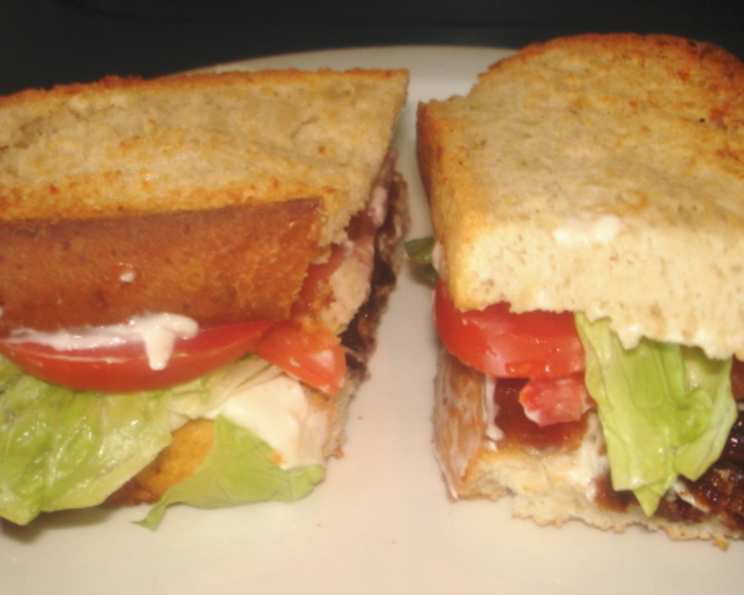
This Swiss beer bread is best served slightly warm, allowing the cheesy aroma to fully bloom. It’s fantastic on its own, or as an accompaniment to soups, stews, or hearty salads. Sliced and toasted, it also makes a wonderful base for sandwiches.
To store any leftover bread, wrap it tightly in plastic wrap or place it in an airtight container at room temperature. It will stay fresh for about 2-3 days. For longer storage, you can freeze the bread for up to 2-3 months. Thaw it completely before slicing and serving. To revive day-old bread, lightly mist it with water and reheat it in a 350°F (175°C) oven for a few minutes until warmed through. This will help restore some of its original texture.
Nutritional Information
| Nutrient | Amount per Serving (approx. 1 slice) | % Daily Value (approximate) |
|---|---|---|
| Calories | 160 kcal | 8% |
| Total Fat | 4 g | 6% |
| Saturated Fat | 1.3 g | 7% |
| Cholesterol | 5 mg | 2% |
| Sodium | 228 mg | 10% |
| Total Carbohydrate | 25 g | 8% |
| Dietary Fiber | 1 g | 4% |
| Sugars | 1.7 g | N/A |
| Protein | 4.5 g | 9% |
Note: Nutritional information is an estimate and may vary based on specific ingredients and serving sizes.
Variations & Substitutions
- Spiced Beer Bread: Add a teaspoon of caraway seeds or fennel seeds to the dough for a more complex flavor profile, reminiscent of traditional rye bread.
- Herb Infusion: Incorporate fresh herbs like rosemary, thyme, or chives into the dough for an aromatic twist. Use about 1-2 tablespoons of finely chopped herbs.
- Cheese Variations: Experiment with different types of cheese to create your own signature beer bread. Sharp cheddar, pepper jack, or even a blend of cheeses would all be delicious.
- Sweet and Savory: Add dried cranberries or raisins to the dough for a hint of sweetness that complements the savory flavors of the cheese and beer.
- Gluten-Free Adaptation: While this recipe is not naturally gluten-free, you can adapt it by using a gluten-free bread flour blend. Be sure to add a binding agent like xanthan gum to help provide structure. Note that the texture may be slightly different.
FAQs (Frequently Asked Questions)
Q: Can I use a different type of beer?
A: Absolutely! Experimenting with different beers is part of the fun. Lighter beers will give a more subtle flavor, while darker beers will add more depth.
Q: Do I have to use Swiss cheese?
A: No, you can use any cheese that melts well and has a good flavor. Gruyere, Emmental, or even a sharp cheddar would work well.
Q: Can I make this recipe without a bread machine?
A: While this recipe is specifically designed for a bread machine, it can be adapted for baking in a conventional oven. You’ll need to knead the dough by hand or with a stand mixer, allow it to rise, and then bake it in a preheated oven until golden brown.
Q: Why is my bread dense and gummy?
A: This could be due to several factors, such as using old yeast, not using enough flour, or not letting the dough rise properly. Make sure your yeast is fresh and active, measure your ingredients accurately, and allow the dough to rise in a warm place.
Q: How do I store the bread to keep it fresh?
A: Wrap the bread tightly in plastic wrap or store it in an airtight container at room temperature. To keep it fresh longer, you can freeze it.
Final Thoughts
This Swiss beer bread recipe is more than just a set of instructions; it’s an invitation to explore the delightful combination of unexpected flavors and the comforting ritual of baking. I encourage you to try this recipe, experiment with different beers and cheeses, and make it your own. Whether you’re serving it at a potluck, enjoying it with a cozy bowl of soup, or simply savoring a slice with a pat of butter, I hope this bread brings you as much joy as it has brought me. And please, don’t hesitate to share your creations and feedback – I’d love to hear about your culinary adventures!