
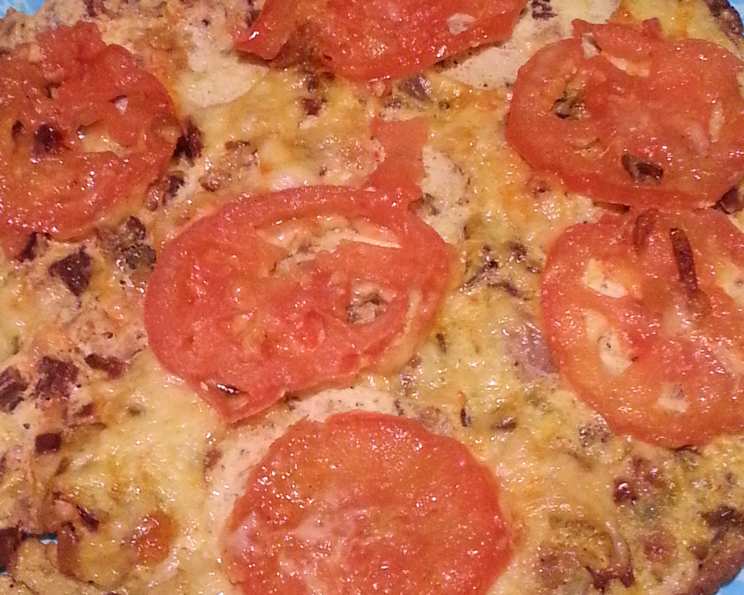
Swiss Chard and Tomato Frittata: A Taste of Sunshine
My Nonna Emilia, a whirlwind of apron strings and flour dust, had a garden that was practically bursting with life. One of my fondest memories is sitting at her kitchen table, sunlight streaming through the window, as she prepared a simple frittata with whatever bounty the garden offered that day. More often than not, it was a vibrant mix of Swiss chard and juicy tomatoes, their flavors singing together in a melody of Mediterranean goodness. This frittata recipe brings me right back to that sun-drenched kitchen, filled with her laughter and the comforting aroma of home.
Recipe Overview
- Prep Time: 15 minutes
- Cook Time: 20 minutes
- Total Time: 35 minutes
- Servings: 6
- Yield: 1 frittata
- Dietary Type: Gluten-Free
Ingredients
- 1 lb Swiss chard
- 4 garlic cloves, minced
- 1 cup chopped onion
- 2 teaspoons olive oil
- 6 egg whites
- 2 whole eggs
- 3 tablespoons chopped fresh basil
- ¼ teaspoon salt
- ¼ teaspoon black pepper
- 1 medium tomatoes, sliced
Equipment Needed
- Large skillet with a lid (oven-safe preferred, but not required)
- Large bowl
- Whisk
- Knife
- Cutting board
- Measuring spoons and cups
Instructions
-
Begin by preparing the Swiss chard. Thoroughly wash the leaves and roughly chop them into bite-sized pieces. Don’t worry about being too precise – this is a rustic dish!
-
In a large skillet, heat 1 tablespoon of olive oil over medium heat. Add the minced garlic and chopped onion and sauté until softened and fragrant, about 3-5 minutes. Be careful not to burn the garlic.
-
Add the chopped Swiss chard to the skillet. Cover the skillet with a lid, lower the heat, and cook for about 10 minutes, or until the chard is wilted and tender. This process steams the chard, making it perfectly soft.
-
Remove the skillet from the heat. If there is excess liquid in the pan, gently drain it off. You want the chard to be moist, but not swimming in liquid.
-
In a large bowl, beat together the egg whites, whole eggs, salt, and black pepper until well blended and slightly frothy. This incorporates air into the eggs, resulting in a lighter, fluffier frittata.
-
Stir the cooked Swiss chard into the egg mixture, ensuring it’s evenly distributed.
-
Coat the bottom of the same skillet with the remaining 1 tablespoon of olive oil and return it to medium heat.
-
When the skillet is hot, carefully pour the egg and chard mixture into the skillet.
-
Arrange the tomato slices evenly on top of the frittata mixture. The tomatoes will add a burst of freshness and visual appeal to the finished dish.
-
Cover the skillet and cook over medium heat until the edges of the frittata are firm and the bottom is golden brown and beginning to brown. This will take approximately 10-15 minutes. Keep a close eye on it to prevent burning. You can gently lift an edge to check the bottom’s color.
-
To finish cooking the frittata, you have two options:
- Oven Method (Preferred): If your skillet is oven-safe, preheat your broiler. Place the skillet under the broiler for 2-3 minutes, or until the top of the frittata is set and lightly browned. Watch carefully to prevent burning.
- Stovetop Method (Alternative): If your skillet isn’t oven-safe, carefully flip the frittata. The easiest way to do this is to place a large plate over the skillet, invert the skillet onto the plate, and then slide the frittata back into the skillet, uncooked side down. Cook for about 5 more minutes, or until the eggs are fully cooked.
-
Sprinkle the chopped fresh basil over the frittata.
-
Serve immediately or at room temperature.
Expert Tips & Tricks
- Prep Ahead: The Swiss chard can be cooked a day in advance and stored in the refrigerator. This will save you time when you’re ready to assemble the frittata.
- Customize the Vegetables: Feel free to add other vegetables to the frittata, such as chopped bell peppers, zucchini, or mushrooms. Just sauté them along with the onion and garlic.
- Cheese Please: If you’re not dairy-free, a sprinkle of grated Parmesan or Pecorino Romano cheese over the top of the frittata before cooking adds a delicious savory flavor.
- Don’t Overcook: Overcooked frittatas can be dry and rubbery. The frittata is done when the eggs are set but still slightly moist in the center.
- Even Cooking: For even cooking on the stovetop, use a heavy-bottomed skillet. This will help distribute the heat evenly and prevent hot spots.
Serving & Storage Suggestions
This Swiss Chard and Tomato Frittata is delicious served warm, at room temperature, or even cold. It makes a wonderful brunch dish, light lunch, or simple supper. Serve it with a side of crusty bread and a fresh green salad for a complete meal.
Leftover frittata can be stored in an airtight container in the refrigerator for up to 3 days. To reheat, warm it gently in a skillet over low heat or in a microwave. It can also be eaten cold, straight from the fridge. Freezing is not recommended as it can affect the texture of the eggs.
Nutritional Information
| Nutrient | Amount per Serving | % Daily Value |
|---|---|---|
| Calories | 84 kcal | – |
| Calories from Fat | 28 kcal | – |
| Total Fat | 3.2 g | 4% |
| Saturated Fat | 0.7 g | 3% |
| Cholesterol | 54.6 mg | 18% |
| Sodium | 336.2 mg | 14% |
| Total Carbohydrate | 7.2 g | 2% |
| Dietary Fiber | 2 g | 8% |
| Sugars | 2.8 g | – |
| Protein | 7.5 g | 14% |
Variations & Substitutions
- Dairy-Free: This recipe is naturally dairy-free.
- Vegan: To make it vegan, substitute the eggs with a tofu scramble or a chickpea flour batter.
- Spicy Kick: Add a pinch of red pepper flakes to the onion and garlic for a bit of heat.
- Herbs: Experiment with different herbs, such as oregano, thyme, or parsley, in addition to or instead of the basil.
- Seasonal Variations: In the fall, use butternut squash or pumpkin instead of tomatoes. In the spring, add asparagus or peas.
FAQs (Frequently Asked Questions)
Q: Can I use frozen Swiss chard?
A: Yes, you can. Just make sure to thaw it completely and squeeze out any excess water before adding it to the skillet.
Q: Can I bake the frittata instead of cooking it on the stovetop?
A: Yes, you can bake it in a preheated oven at 350°F (175°C) for about 20-25 minutes, or until the eggs are set.
Q: How do I know when the frittata is cooked through?
A: The frittata is cooked through when the edges are set and the center is slightly firm to the touch. If you’re using the oven method, the top should be lightly browned.
Q: Can I make this frittata ahead of time and reheat it?
A: Yes, you can. It’s best served fresh, but it can be made a day in advance and reheated gently.
Q: What’s the best way to flip the frittata without making a mess?
A: Use a large plate that’s slightly bigger than the skillet. Place the plate over the skillet, invert the skillet onto the plate, and then slide the frittata back into the skillet.
Final Thoughts
This Swiss Chard and Tomato Frittata is a versatile and delicious dish that’s perfect for any occasion. It’s a celebration of simple ingredients and fresh flavors, and it’s a wonderful way to use up seasonal produce. I encourage you to try this recipe and make it your own by adding your favorite vegetables and herbs. Don’t be afraid to experiment and have fun in the kitchen! And if you happen to make it, please share your feedback – I’d love to hear what you think. Enjoy!