
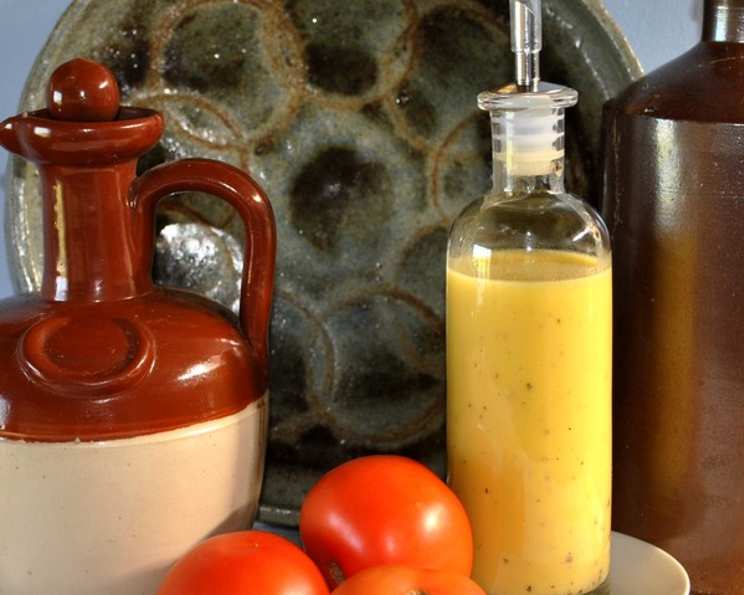
The Zesty Secret of Swiss “French” Salad Dressing
My grandmother, bless her heart, was a woman of firm opinions, especially when it came to food. She believed a proper salad dressing should possess a certain zing, a quality she felt most bottled dressings sorely lacked. Every summer, during our visits to her cozy Swiss chalet, she’d whip up a batch of this “French” dressing (the Swiss have a delightful sense of humor about such things), and the simple act of drizzling it over crisp greens transformed a humble salad into something truly special. It’s a taste that instantly transports me back to sun-drenched afternoons and the warmth of her kitchen.
Recipe Overview
- Prep Time: 5 minutes
- Cook Time: 0 minutes
- Total Time: 5 minutes
- Servings: 8
- Yield: About 1 1/2 cups
- Dietary Type: Gluten-Free
Ingredients
- 1 teaspoon sea salt
- 1 teaspoon freshly ground black pepper
- 1 teaspoon mustard
- 10 ounces olive oil
- 1 tablespoon sugar
- 3 1/2 ounces vinegar (white wine vinegar works beautifully)
- 1 small egg
- 2 teaspoons cream
- ⅛ – ¼ cup water (or more, as needed)
Equipment Needed
- Blender or Food Processor
- Screwtop Jar
Instructions
-
In a blender or food processor, combine the sea salt, freshly ground black pepper, mustard, olive oil, sugar, vinegar, and egg.
-
Blend all the ingredients together until the mixture is completely smooth and emulsified. This usually takes about 30 seconds to a minute, depending on the power of your blender. Make sure there are no visible bits of egg yolk remaining, as this indicates that the dressing hasn’t fully come together.
-
With the blender still running on low speed, slowly add the cream, allowing it to incorporate fully into the mixture.
-
Now, gradually add water a little at a time, until you reach the desired consistency. The goal is a lightly coating consistency – not too thick, not too thin. Start with ⅛ cup and add more, a tablespoon at a time, until the dressing flows smoothly and evenly. You might need a bit more or less than ¼ cup, depending on the size of your egg and the thickness of your olive oil.
-
Pour the finished dressing into a screwtop jar or airtight container.
-
Refrigerate the dressing until needed. It’s best to let the flavors meld for at least an hour before serving, but it can be used immediately if you’re in a pinch.
-
Use within 3-4 days for optimal freshness and flavor.
Expert Tips & Tricks
-
Use high-quality olive oil: This really makes a difference in the final flavor. Extra virgin olive oil is preferred, but be mindful of its intensity; a milder olive oil might be better if you prefer a less assertive flavor.
-
Emulsification is key: A smooth, creamy dressing relies on a good emulsion, which is the process of forcing oil and water-based ingredients to combine. If your dressing separates, it means the emulsion has broken. You can try to re-emulsify it by adding a teaspoon of mustard and blending again.
-
Temperature matters: Ensure your egg is at room temperature for optimal emulsification. Cold eggs can sometimes hinder the process.
-
Adjust the sweetness: If you prefer a tangier dressing, reduce the amount of sugar. Conversely, if you like it sweeter, add a little more.
-
Garlic Infusion: For a deeper flavor, add a clove of minced garlic to the blender along with the other ingredients.
-
Herbs de Provence: A pinch of this classic herb blend will add a lovely floral note.
Serving & Storage Suggestions
This Swiss “French” salad dressing is incredibly versatile. It shines when drizzled over mixed greens, but it also works beautifully with more robust salads featuring tomatoes, cucumbers, and bell peppers. Consider pairing it with a simple green salad alongside grilled chicken or fish.
To store, keep the dressing refrigerated in an airtight container. It will last for 3-4 days. Because this dressing contains raw egg, it’s crucial to adhere to this timeframe for safety. Do not leave the dressing at room temperature for extended periods. The flavors will intensify as it sits, so give it a good shake before each use.
Nutritional Information
| Nutrient | Amount per Serving | % Daily Value |
|---|---|---|
| Calories | 335 kcal | 17% |
| Total Fat | 36.5g | 56% |
| Saturated Fat | 5.3g | 26% |
| Cholesterol | 24.6mg | 8% |
| Sodium | 308.2mg | 12% |
| Total Carbohydrate | 1.9g | 0% |
| Dietary Fiber | 0.1g | 0% |
| Sugars | 1.6g | 6% |
| Protein | 0.9g | 1% |
Note: Nutritional information is an estimate and may vary based on specific ingredients used.
Variations & Substitutions
- Vegan Option: Substitute the egg with 2 tablespoons of aquafaba (the liquid from a can of chickpeas). You may need to adjust the water content to achieve the desired consistency. Use a plant-based cream alternative like oat cream or cashew cream.
- Dairy-Free Option: Simply omit the cream or replace it with a dairy-free cream alternative. Coconut cream (the thick part from the top of a chilled can of coconut milk) can also work, but it will impart a slight coconut flavor.
- Herb Infusion: Experiment with adding fresh herbs like dill, chives, or parsley to the blender for a burst of flavor.
- Spice it Up: Add a pinch of cayenne pepper or a dash of hot sauce for a little kick.
- Citrus Twist: Replace some of the vinegar with lemon or orange juice for a brighter, more vibrant flavor.
FAQs (Frequently Asked Questions)
Q: Why is it called “French” dressing if it’s Swiss?
A: That’s a delightful question! The name likely evolved from the Swiss appreciation of French cuisine. It’s a playful nod rather than a strict adherence to any specific French recipe.
Q: Can I use a different type of vinegar?
A: Absolutely! White wine vinegar is classic, but apple cider vinegar or even red wine vinegar can be used for a different flavor profile. Balsamic vinegar is too sweet and intense for this particular recipe.
Q: Is it safe to use raw eggs in dressing?
A: While the risk of salmonella is low, it’s always a consideration. Using pasteurized eggs eliminates this risk entirely. Ensure the dressing is promptly refrigerated and consumed within the recommended timeframe.
Q: My dressing separated – what did I do wrong?
A: Separation indicates the emulsion broke. This can happen if the ingredients weren’t at the same temperature or if the blending process wasn’t thorough enough. Try adding a teaspoon of mustard and blending again to re-emulsify.
Q: Can I make this dressing ahead of time?
A: Yes, you can! In fact, allowing the dressing to sit in the refrigerator for a few hours or even overnight will allow the flavors to meld and deepen. Just give it a good shake before serving.
Final Thoughts
I hope this Swiss “French” Salad Dressing recipe brings a touch of sunshine to your table, just as it did in my grandmother’s kitchen. Don’t be afraid to experiment with the flavors and make it your own. Whether you’re drizzling it over a simple green salad or using it as a marinade for grilled vegetables, I’m confident this dressing will become a staple in your culinary repertoire. Enjoy, and en Guete (Bon appétit)!