
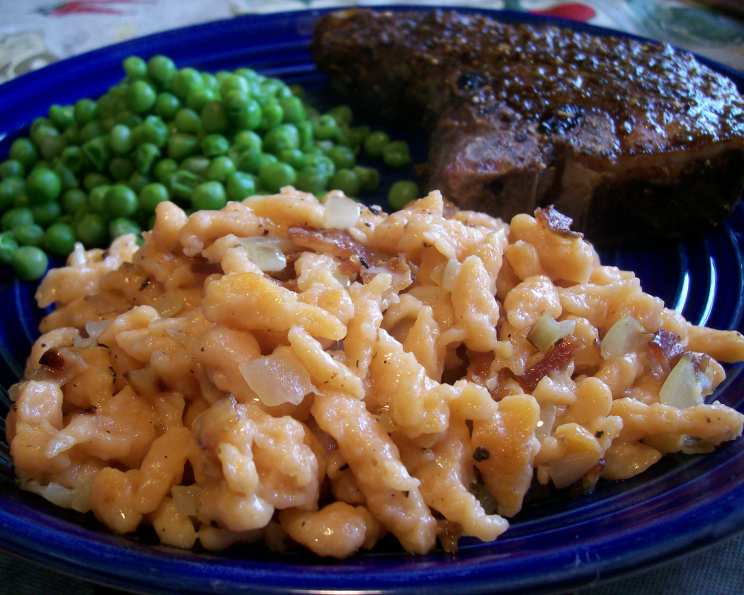
Swiss Spaetzle: An Effortless Homemade Noodle Delight
The aroma of warm, buttery spaetzle instantly transports me back to a tiny gasthaus nestled in the Swiss Alps. After a long day of hiking, the simple comfort of these tender noodles, served with melted Gruyère and crispy fried onions, was the perfect ending. The friendly chatter of locals, the clinking of beer steins, and the hearty, satisfying meal created a memory I cherish – a taste of pure, unadulterated Alpine hospitality. Recreating spaetzle at home allows me to relive that experience, one delicious bite at a time.
Recipe Overview
- Prep Time: 10 minutes
- Cook Time: 15 minutes
- Total Time: 25 minutes
- Servings: 4-6
- Yield: Approximately 4 cups
- Dietary Type: Vegetarian
Ingredients
- 3 cups flour (all-purpose)
- 3 eggs
- ½ cup milk
- ¾ cup water
- 1 teaspoon salt
Equipment Needed
- Large pot
- Blender or whisk
- Spaetzle maker, holed colander, or slotted spoon
Instructions
-
Begin by heating a large pot of water to a rolling boil. Ensure there’s enough water to comfortably cook the spaetzle without overcrowding. Add a generous pinch of salt to the boiling water; this will season the spaetzle as they cook.
-
While the water is heating, prepare the dough. In a large mixing bowl, combine the flour, eggs, milk, water, and salt. Use a blender or a whisk to mix the ingredients together until you have a smooth batter. It’s important to mix thoroughly to eliminate any lumps, but avoid overmixing, which can lead to tough spaetzle. The batter should be thick enough to cling to a spoon but thin enough to drip slowly.
-
Allow the batter to rest for 5 to 10 minutes. This resting period allows the flour to fully hydrate, resulting in a more tender final product. After resting, give the batter a quick stir to ensure it’s still well combined.
-
Once the water is boiling vigorously, it’s time to cook the spaetzle. If you have a spaetzle maker, follow the manufacturer’s instructions to press the dough through the holes and into the boiling water. If you’re using a holed colander, hold it over the pot of boiling water and press the dough through the holes with a spatula or spoon. Alternatively, you can use a slotted spoon or knife to drop small portions of the dough into the boiling water.
-
The spaetzle will initially sink to the bottom of the pot. As they cook, they will rise to the surface. Once the spaetzle float to the top, they are ready. This typically takes about 2 to 3 minutes.
-
Use a slotted spoon to remove the cooked spaetzle from the boiling water and transfer them to a colander or a bowl. If you’re cooking a large batch, you may need to repeat the cooking process in several smaller batches to avoid overcrowding the pot.
-
At this stage, the spaetzle can be enjoyed in a variety of ways. They can be served immediately with melted butter, topped with grated cheese and fried onions, or incorporated into other dishes.
-
For color variations and added flavor, you can incorporate the following into the dough:
- Red Spaetzle: Add some tomato concentrate to the batter.
- Yellow Spaetzle: Add 1 teaspoon of turmeric powder to the batter.
- Green Spaetzle: Add ½ cup of mashed spinach to the batter.
- Orange Spaetzle: Add 1 cup of mashed cooked squash or carrots to the batter, and reduce the amount of water to about ½ cup.
Expert Tips & Tricks
- Achieving the Right Consistency: The consistency of the batter is crucial for perfect spaetzle. If the batter is too thick, the spaetzle will be dense and heavy. If it’s too thin, they will fall apart in the boiling water. Adjust the amount of water or flour as needed to achieve a batter that is thick enough to cling to a spoon but thin enough to drip slowly.
- Preventing Sticking: To prevent the spaetzle from sticking together, toss them with a little melted butter or oil immediately after cooking.
- Browning for Flavor: For added flavor and texture, you can pan-fry the cooked spaetzle in a little butter until they are lightly browned and crispy.
- Make-Ahead Tip: Spaetzle can be made ahead of time and stored in the refrigerator for up to 2 days. Reheat them in a skillet with butter or oil until warmed through.
- Alternative Cooking Method: If you don’t have a spaetzle maker or colander, you can use a cutting board and a knife. Spread a thin layer of dough on the cutting board and use a knife to cut small strips of dough directly into the boiling water.
Serving & Storage Suggestions
Serve spaetzle hot, immediately after cooking. They are incredibly versatile and can be paired with a variety of toppings and sauces. For a classic Swiss preparation, top with melted Gruyère cheese and crispy fried onions. They are also delicious with brown butter and sage, creamy mushroom sauce, or as a side dish to roasted meats or vegetables. Leftover spaetzle can be stored in an airtight container in the refrigerator for up to 3 days. Reheat in a skillet with butter or oil until warmed through. Spaetzle can also be frozen for longer storage; thaw completely before reheating.
Nutritional Information
| Nutrient | Amount per Serving | % Daily Value |
|---|---|---|
| Calories | 414 kcal | 21% |
| Total Fat | 5.6g | 7% |
| Saturated Fat | 2g | 10% |
| Cholesterol | 144mg | 48% |
| Sodium | 653mg | 28% |
| Total Carbohydrate | 73g | 27% |
| Dietary Fiber | 2.5g | 9% |
| Sugars | 0.4g | 1% |
| Protein | 15g | 30% |
Variations & Substitutions
- Gluten-Free Spaetzle: Substitute the all-purpose flour with a gluten-free flour blend. You may need to adjust the amount of liquid to achieve the desired consistency.
- Whole Wheat Spaetzle: Replace half of the all-purpose flour with whole wheat flour for a nuttier flavor and added fiber.
- Vegan Spaetzle: Replace the eggs with an egg replacer or flax eggs. Use plant-based milk instead of dairy milk.
- Herb-Infused Spaetzle: Add chopped fresh herbs, such as parsley, chives, or thyme, to the batter for added flavor and visual appeal.
- Spiced Spaetzle: Add a pinch of nutmeg or cinnamon to the batter for a warm, comforting flavor.
FAQs (Frequently Asked Questions)
Q: Can I make spaetzle without a spaetzle maker?
A: Yes, you can use a holed colander, a slotted spoon, or even a knife and cutting board to make spaetzle without a specialized maker.
Q: How do I know when the spaetzle are cooked?
A: The spaetzle are cooked when they float to the surface of the boiling water, usually after 2-3 minutes.
Q: My spaetzle are sticking together. What can I do?
A: Toss the cooked spaetzle with a little melted butter or oil immediately after removing them from the water to prevent sticking.
Q: Can I freeze spaetzle?
A: Yes, spaetzle can be frozen. Spread the cooked and cooled spaetzle in a single layer on a baking sheet and freeze until solid. Then, transfer them to a freezer bag or container.
Q: The batter is too thick/thin. What should I do?
A: If the batter is too thick, add a little more water, one tablespoon at a time, until it reaches the desired consistency. If it’s too thin, add a little more flour, one tablespoon at a time.
Final Thoughts
Swiss spaetzle are a testament to the beauty of simplicity. With just a handful of ingredients and a few easy steps, you can create a comforting and satisfying meal that will transport you to the heart of the Alps. Don’t be afraid to experiment with different flavors and toppings to create your own unique spaetzle masterpiece. I encourage you to try this recipe and share your feedback. Serve it alongside a hearty stew or with a crisp, dry white wine for a truly unforgettable culinary experience.