
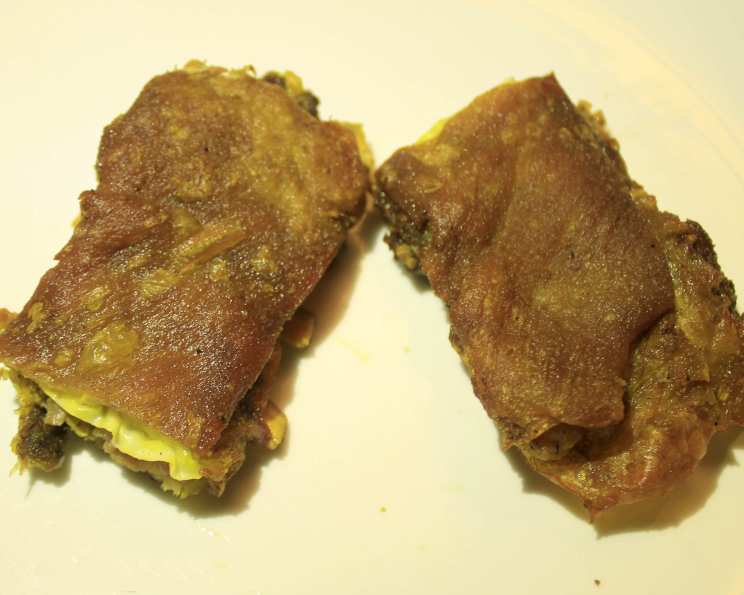
Tabak Maaz: A Culinary Journey to the Heart of Kashmir
The scent of cardamom, ginger, and gently browned lamb – those aromas alone transport me back to a small, bustling kitchen in Srinagar. I remember standing on a wobbly stool, mesmerized, as a seasoned Waza (traditional Kashmiri chef) expertly maneuvered a large skillet, carefully browning ribs until they gleamed a deep, inviting mahogany. The air crackled with anticipation, not just for the feast to come, but for the sheer artistry on display. This wasn’t just cooking; it was a story being told, a heritage being preserved in every sizzle and spice. That memory, that feeling of connection to something ancient and delicious, is what I try to capture every time I prepare Tabak Maaz.
Recipe Overview
- Prep Time: 15 minutes
- Cook Time: 1 hour 35 minutes
- Total Time: 1 hour 50 minutes
- Servings: 8
- Yield: About 4 lbs of ribs
- Dietary Type: Non-Vegetarian
Ingredients
- 4 lbs lamb ribs (or 3 lbs shoulder lamb chops)
- Salt, to taste
- ¼ teaspoon cayenne pepper
- 1 tablespoon ground fennel seed
- 1 tablespoon fresh ginger, peeled and minced
- 1 teaspoon ground turmeric
- 2 bay leaves
- 4 cloves
- 4 cardamom pods
- 1 (2-inch) cinnamon stick
- ½ cup milk
- 2 tablespoons butter (or 2 tablespoons vegetable oil)
- 1 tablespoon garlic, minced
- Chopped fresh cilantro leaves (for garnish)
Equipment Needed
- Large skillet or Dutch oven
- Wooden spoon
- Warm platter
Instructions
-
Begin by placing the lamb ribs in a large skillet or Dutch oven. Add a generous pinch of salt, the cayenne pepper, ground fennel seed, minced ginger, ground turmeric, bay leaves, cloves, cardamom pods, cinnamon stick, milk, and about ½ cup of water.
-
Bring the mixture to a boil over medium-high heat. Once boiling, reduce the heat to low, so the mixture simmers gently. Cover the skillet and cook the lamb, turning the meat occasionally, until it is tender. This process will typically take around 30 to 45 minutes. Check the liquid level periodically and add more water if the mixture begins to dry out, ensuring the lamb doesn’t stick to the bottom of the pan.
-
Once the ribs are tender, carefully remove them from the skillet and set aside.
-
If there is any liquid remaining in the pan after removing the ribs, increase the heat to medium-high. Using a wooden spoon, scrape the bottom of the pan to loosen any flavorful bits that may have stuck during cooking. Continue to cook, stirring constantly, until the liquid has almost entirely evaporated, leaving a concentrated, flavorful base.
-
Now, remove the cardamom pods, cloves, cinnamon stick, and bay leaves from the pan. These spices have imparted their flavor, and their presence is no longer needed.
-
Add the butter (or vegetable oil) to the pan over medium heat. Allow the butter to melt completely and heat up. Once hot, carefully place the cooked ribs back into the pan.
-
Brown the ribs on all sides, turning frequently to ensure even coloring. This step is crucial for developing the rich, characteristic flavor of Tabak Maaz.
-
Once the ribs are beautifully browned, remove them from the pan and transfer them to a warm platter.
-
Add about ½ cup of water to the pan. Once again, cook over medium-high heat, stirring with a wooden spoon to loosen any browned bits that have stuck to the bottom. This creates a quick pan sauce. Reduce the liquid by about half, allowing it to thicken slightly.
-
Pour the flavorful pan sauce over the ribs. Garnish generously with freshly chopped cilantro leaves. Serve immediately and enjoy this authentic taste of Kashmir.
Expert Tips & Tricks
- Achieving Tenderness: The key to perfect Tabak Maaz is ensuring the lamb is incredibly tender. If your lamb is tougher, consider simmering it for a longer period, even up to an hour.
- Browning Perfection: Don’t overcrowd the pan when browning the ribs. Work in batches if necessary to ensure each piece gets a beautiful, even sear. This creates a Maillard reaction, developing deeper flavors.
- Fat Trimming: While the lamb ribs benefit from some fat for flavor, trimming away excess fat before cooking can prevent the dish from becoming too greasy.
- Spice Adjustment: Feel free to adjust the amount of cayenne pepper according to your spice preference. For a milder flavor, reduce the amount or omit it entirely.
- Milk Alternatives: While traditional recipes use cow’s milk, you can experiment with other types of milk, such as goat milk, for a subtly different flavor profile.
Serving & Storage Suggestions
Tabak Maaz is traditionally served as part of a larger Wazawan feast, but it also makes a stunning standalone dish. Serve it hot, garnished generously with fresh cilantro, and accompanied by steamed rice or Kashmiri naan bread.
Leftovers can be stored in an airtight container in the refrigerator for up to 3 days. To reheat, gently warm the ribs in a skillet over medium heat, adding a splash of water or broth to prevent them from drying out. You can also reheat them in the oven at 300°F (150°C) for about 15-20 minutes. Freezing is not recommended as it can affect the texture of the lamb.
Nutritional Information
| Nutrient | Amount per Serving | % Daily Value |
|---|---|---|
| Calories | 696.5 kcal | N/A |
| Calories from Fat | 526 g | 76% |
| Total Fat | 58.5 g | 89% |
| Saturated Fat | 29.2 g | 146% |
| Cholesterol | 164 mg | 54% |
| Sodium | 188.1 mg | 7% |
| Total Carbohydrate | 1.8 g | 0% |
| Dietary Fiber | 0.4 g | 1% |
| Sugars | 0 g | 0% |
| Protein | 38.1 g | 76% |
Note: Nutritional information is an estimate and can vary based on specific ingredients and portion sizes.
Variations & Substitutions
- Spicier Version: For those who prefer a fiery kick, add a chopped green chili to the pan along with the other spices.
- Alternative Protein: While lamb ribs are traditional, you can also use goat ribs or even beef short ribs for a different flavor experience. Adjust cooking times accordingly.
- Vegetarian Option: While not traditional, you could try adapting this recipe with firm tofu or paneer. Marinate the tofu or paneer in the spice mixture and then pan-fry until golden brown.
- Ghee Instead of Butter: For a richer, nuttier flavor, substitute ghee (clarified butter) for regular butter.
FAQs (Frequently Asked Questions)
Q: Can I make this dish ahead of time?
A: You can cook the lamb ribs until tender a day in advance and store them in the refrigerator. Then, brown them in the butter and finish the sauce just before serving.
Q: What if I can’t find ground fennel seed?
A: You can grind fennel seeds yourself using a spice grinder or mortar and pestle. Alternatively, you can use a pinch of anise seed as a substitute, although the flavor will be slightly different.
Q: How do I know when the lamb is tender enough?
A: The lamb is tender when a fork easily pierces the meat and it pulls apart with minimal effort.
Q: Can I use a pressure cooker to speed up the cooking process?
A: Yes, you can use a pressure cooker to cook the lamb. Reduce the cooking time to about 20-25 minutes at high pressure, then follow the remaining steps to brown the ribs and make the sauce.
Q: What is the best way to prevent the ribs from sticking to the pan?
A: Ensure there is enough liquid in the pan during the simmering stage and stir occasionally. Also, use a good quality skillet with a non-stick surface if possible.
Final Thoughts
Tabak Maaz is more than just a recipe; it’s an invitation to experience the rich culinary heritage of Kashmir. Don’t be intimidated by the list of spices – each one plays a vital role in creating the complex and unforgettable flavor of this dish. Gather your ingredients, embrace the process, and allow the aromas to transport you to the breathtaking valleys of Kashmir. I encourage you to try this recipe, share it with loved ones, and perhaps even pair it with a chilled glass of Kashmiri Kahwa (green tea infused with saffron, cardamom, and almonds) for a truly authentic experience. Bon appétit, or as they say in Kashmir, mazz aawo! (Enjoy your meal!).