
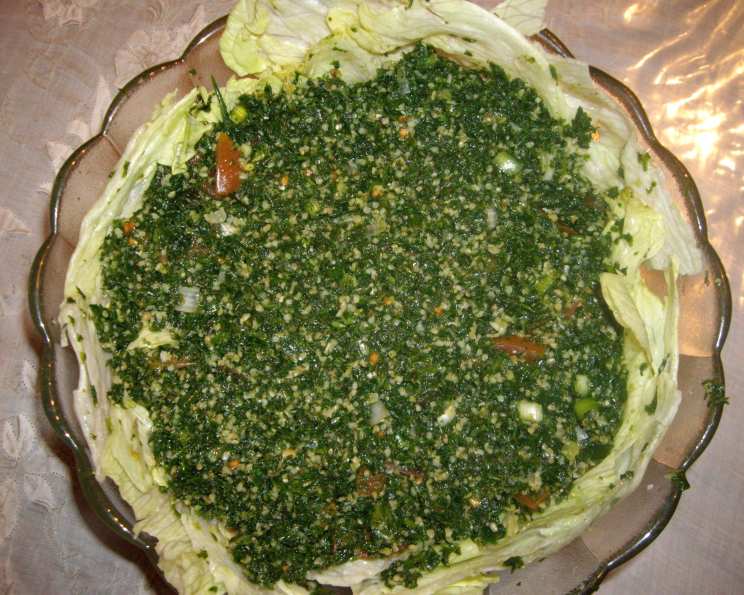
Tabbouleh: A Symphony of Freshness in Every Bite
My earliest memories of tabbouleh are interwoven with the vibrant colors and bustling energy of summer picnics. My aunt, with her effortless grace and infectious laughter, would always bring a massive bowl, the parsley so green it practically vibrated. It wasn’t just a salad; it was a centerpiece, a symbol of togetherness, and the first taste of sunshine after a long winter. To this day, the simple aroma of fresh mint and lemon transports me back to those carefree afternoons, a reminder of the joy that a perfectly crafted dish can bring.
Recipe Overview
- Prep Time: 25 minutes
- Cook Time: 0 minutes (soaking time: 45 minutes)
- Total Time: 1 hour 10 minutes
- Servings: 6-8
- Dietary Type: Vegan
Ingredients
- ½ cup fine Bulgar wheat (cracked wheat)
- 2-3 large ripe tomatoes, diced
- 4 bunches of chopped parsley
- 1 bunch of chopped green onion
- ½ bunch of chopped fresh mint or 3 tablespoons dried mint
- ½ cup olive oil or ½ cup vegetable oil
- 3 lemons, juice of
- 1 tablespoon salt
- ½ teaspoon black pepper (optional)
Equipment Needed
- Large Bowl
- Knife
- Cutting Board
- Measuring cups and spoons
Instructions
-
Begin by preparing the bulgur. Place the bulgar wheat in a bowl and cover it generously with water. Allow it to soak for a few minutes, then drain it thoroughly using a fine-mesh sieve or by pressing out the excess water with your hands. Squeeze out as much water as possible; this is crucial for preventing a soggy tabbouleh.
-
Transfer the drained bulgur to a large bowl. Add the juice of one lemon to the bulgur and mix well, ensuring that all the grains are coated. This helps to soften the bulgur and infuses it with bright, citrusy flavor.
-
Let the bulgur sit for approximately 45 minutes, or until the water and lemon juice have been fully absorbed. You’ll notice the bulgur plumping up and becoming more tender. This soaking time is essential for achieving the right texture. Stir occasionally to ensure even absorption.
-
While the bulgur is soaking, prepare the remaining ingredients. Dice the tomatoes into small, even pieces. Finely chop the parsley – this is a key element of tabbouleh, so don’t skimp! Chop the green onions and fresh mint (if using). If using dried mint, measure out 3 tablespoons.
-
Once the bulgur has absorbed the liquid, add the diced tomatoes, chopped parsley, chopped green onion, and mint to the bowl.
-
Pour in the olive oil (or vegetable oil) and gently toss all the ingredients together. The oil adds richness and helps to bind the flavors.
-
Squeeze the juice from the remaining two lemons over the salad. Add the salt and black pepper (if using). Mix everything thoroughly.
-
Taste and adjust the seasoning as needed. You may want to add more lemon juice for extra tanginess or more salt to enhance the flavors. The balance of acidity, saltiness, and freshness is what makes tabbouleh so irresistible.
-
Serve immediately or chill for later. Tabbouleh is best when the flavors have had a chance to meld together, so a little resting time in the refrigerator is beneficial.
Expert Tips & Tricks
- Don’t over-soak the bulgur: Too much water will result in a mushy tabbouleh. Ensure you drain it thoroughly and squeeze out as much excess water as possible.
- Use the freshest ingredients: The quality of the ingredients directly impacts the final flavor. Opt for ripe, juicy tomatoes, vibrant parsley, and fragrant mint.
- Chop the parsley finely: Coarsely chopped parsley can be overwhelming. Finely chopped parsley blends seamlessly into the salad.
- Balance the flavors: The key to great tabbouleh is the balance of acidity, saltiness, and freshness. Taste and adjust the seasoning to your liking, adding more lemon juice or salt as needed.
- Make it ahead: Tabbouleh can be made a few hours in advance. The flavors actually improve as they meld together. However, avoid making it too far in advance, as the parsley can wilt.
Serving & Storage Suggestions
Serve tabbouleh chilled or at room temperature. It’s delicious on its own as a light and refreshing salad, or as a side dish to grilled meats, fish, or falafel. Traditionally, it’s served on fresh lettuce leaves, which add a crisp, refreshing element.
To store leftovers, place the tabbouleh in an airtight container and refrigerate it for up to 3 days. The flavors may intensify over time, so you might want to add a squeeze of fresh lemon juice before serving.
Tabbouleh is not suitable for freezing, as the parsley and tomatoes will become mushy upon thawing.
Nutritional Information
Note: Nutritional information is an estimate and can vary based on specific ingredients and portion sizes.
| Nutrient | Amount per Serving | % Daily Value |
|---|---|---|
| Calories | 197.3 kcal | N/A |
| Calories from Fat | 164 g | 83% |
| Total Fat | 18.2 g | 28% |
| Saturated Fat | 2.5 g | 12% |
| Cholesterol | 0 mg | 0% |
| Sodium | 1174.1 mg | 48% |
| Total Carbohydrate | 9.1 g | 3% |
| Dietary Fiber | 2.2 g | 8% |
| Sugars | 2.7 g | 10% |
| Protein | 1.6 g | 3% |
Variations & Substitutions
- Gluten-Free Tabbouleh: Substitute the bulgur wheat with quinoa or finely chopped cauliflower for a gluten-free option.
- Herb Variations: Experiment with different herbs, such as dill or cilantro, in addition to or instead of the mint.
- Spicy Tabbouleh: Add a pinch of red pepper flakes or a finely chopped jalapeño to give the tabbouleh a kick.
- Vegetable Additions: Include other vegetables, such as finely diced cucumber or bell peppers, for added texture and flavor.
- Fruit additions: Consider adding finely diced stone fruits like peaches or nectarines in the summer for a unique sweet and savory twist.
FAQs (Frequently Asked Questions)
Q: Can I make tabbouleh ahead of time?
A: Yes, tabbouleh can be made a few hours in advance, allowing the flavors to meld together. However, it’s best not to make it too far in advance, as the parsley can wilt.
Q: Can I use dried parsley instead of fresh parsley?
A: While fresh parsley is highly recommended for its vibrant flavor and texture, you can use dried parsley in a pinch. Use about 1/3 the amount of fresh parsley called for in the recipe.
Q: How do I prevent the bulgur from being soggy?
A: Drain the bulgur thoroughly after soaking and squeeze out as much excess water as possible. This is crucial for preventing a soggy tabbouleh.
Q: Can I add other vegetables to tabbouleh?
A: Absolutely! Finely diced cucumber, bell peppers, or radishes can add extra crunch and flavor to the salad.
Q: What is the best way to serve tabbouleh?
A: Tabbouleh is traditionally served on fresh lettuce leaves, which add a refreshing element. It’s also delicious on its own as a light salad or as a side dish to grilled meats or falafel.
Final Thoughts
Tabbouleh is more than just a salad; it’s a celebration of fresh, vibrant flavors. It’s a dish that’s incredibly easy to make, yet utterly satisfying. I encourage you to try this recipe and experience the symphony of freshness for yourself. Feel free to experiment with different variations and find what suits your taste. And please, share your creations and feedback – I’d love to hear how you make this classic dish your own! Serve it alongside some grilled chicken or fish for a complete and satisfying meal.