
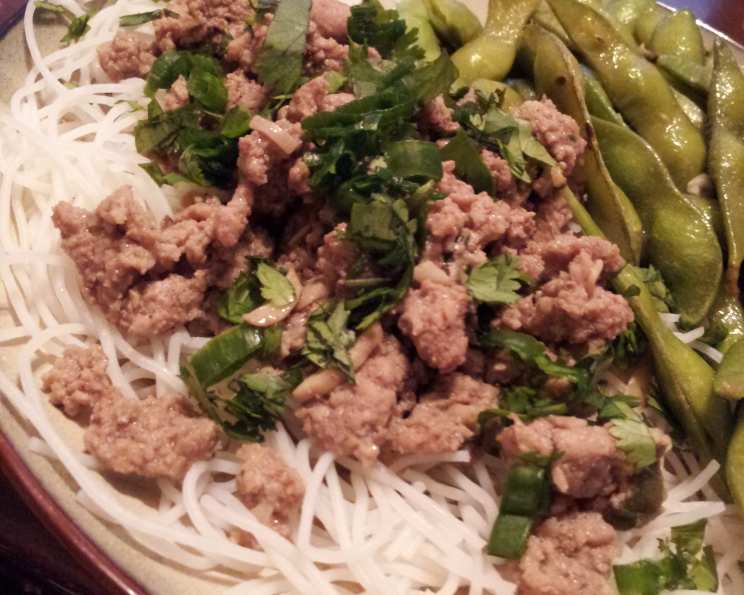
Taiwanese Spaghetti: A Taste of Home, Wherever You Are
The aroma of soy sauce, five-spice powder, and sautéed garlic always takes me back to my college days. I was a homesick student miles away from my family, but a Taiwanese friend’s simple gesture of sharing her version of Taiwanese Spaghetti brought a flood of comfort. It wasn’t fancy, but the sweet and savory blend coating the noodles tasted like a warm hug, instantly making me feel closer to home. This dish is more than just food; it’s a symbol of connection, community, and the comforting power of familiar flavors.
Recipe Overview
- Prep Time: 15 minutes
- Cook Time: 30 minutes
- Total Time: 45 minutes
- Servings: 4-6
- Dietary Type: Adaptable (Can be made with various proteins and tofu)
Ingredients
- 2-3 tablespoons dried shiitake mushrooms, soaked and diced
- 2 tablespoons olive oil
- 2 minced garlic cloves
- 3 green onions, chopped
- 1 cup rice wine
- 3 tablespoons soy sauce
- 1 teaspoon five-spice powder
- 2 lbs ground turkey or 2 lbs ground pork
- 1-2 tablespoons sugar
- 1 small package dried shrimp (optional)
- 8 ounces soft tofu (optional)
- Cilantro (optional)
- ¼ cup sliced cucumber (optional)
Equipment Needed
- Skillet or wok
- Knife
- Cutting board
- Measuring cups and spoons
Instructions
-
Begin by soaking the dried shiitake mushrooms in warm water until they become soft and pliable. This usually takes about 20-30 minutes. Once softened, drain the mushrooms and dice them into small bits. The soaking liquid can be reserved and used as part of the liquid in the recipe, adding extra mushroom flavor, but be sure to strain it first.
-
Place a skillet or wok over medium heat and add 2 tablespoons of olive oil. Allow the oil to heat up before adding the 2 minced garlic cloves.
-
Sauté the garlic until it becomes fragrant and slightly browned. Be careful not to burn the garlic, as this will give the dish a bitter taste. Stir frequently to ensure even cooking.
-
Add the diced shiitake mushrooms and 3 chopped green onions to the skillet. If using the optional dried shrimp, add them now as well. You can find dried shrimp at most Asian markets.
-
Brown the mushrooms, green onions, and dried shrimp (if using) for several minutes, stirring frequently, until they begin to soften and release their aroma.
-
Add the 2 lbs of ground turkey (or ground pork, depending on your preference) to the skillet. Break the meat apart with a spoon or spatula as it cooks.
-
Once the meat is mostly browned, add the 3 tablespoons of soy sauce, 1-2 tablespoons of sugar (adjust to your sweetness preference), 1 cup of rice wine, and 1 teaspoon of five-spice powder.
-
Stir all the ingredients together well to ensure that the meat is evenly coated with the sauce.
-
Cover the skillet and bring the sauce to a boil. Once boiling, reduce the heat to low and simmer for about 20-30 minutes, or until the sauce has thickened to your desired consistency. Important note: Keeping the skillet covered is crucial to prevent the sauce from evaporating too quickly. If the sauce becomes too thick before the meat is fully cooked, add a little water or mushroom soaking liquid to thin it out.
-
If using soft tofu, gently fold it into the sauce during the last 5-10 minutes of cooking. Be careful not to break the tofu into too small pieces.
-
Before serving, taste the sauce and adjust the seasoning as needed. You may want to add more soy sauce for saltiness, sugar for sweetness, or five-spice powder for a more pronounced aromatic flavor.
-
Garnish with fresh cilantro and serve hot. Traditionally, this dish is served with sliced cucumber on the side.
Expert Tips & Tricks
- Mushroom Power: Don’t discard the soaking liquid from the shiitake mushrooms! Strain it carefully through a fine-mesh sieve to remove any grit, then add it to the sauce for an extra layer of umami flavor.
- Spice it Up: For a spicier kick, add a pinch of red pepper flakes or a dash of chili oil to the sauce.
- Meat Matters: If using ground pork, be sure to drain off any excess fat after browning the meat. Turkey is leaner, but you can add a tablespoon of sesame oil for richness.
- Toasting Spices: For an even deeper flavor, lightly toast the five-spice powder in a dry pan for a minute or two before adding it to the sauce. Be careful not to burn it.
- Thickening the Sauce: If you find that your sauce isn’t thickening enough, you can mix a tablespoon of cornstarch with two tablespoons of cold water to create a slurry. Add the slurry to the sauce during the last few minutes of cooking and stir until thickened.
- Make Ahead: The sauce can be made a day or two in advance and stored in the refrigerator. This allows the flavors to meld together even more. Reheat gently before serving.
Serving & Storage Suggestions
Taiwanese Spaghetti is traditionally served over rice or Japanese somen noodles. It also pairs well with spaghetti or other types of pasta.
To serve, ladle the hot sauce over your choice of base and garnish with fresh cilantro and sliced cucumber. A side of stir-fried vegetables, such as bok choy or gai lan, would also be a great addition.
Leftovers can be stored in an airtight container in the refrigerator for up to 3-4 days. To reheat, gently warm the sauce in a skillet over low heat, stirring occasionally, until heated through. You can also reheat it in the microwave, but be careful not to overheat it, as this can cause the tofu (if used) to become rubbery.
For longer storage, the sauce can be frozen for up to 2-3 months. Thaw it overnight in the refrigerator before reheating. The texture of the tofu may change slightly after freezing and thawing, but the flavor will still be delicious.
Nutritional Information
| Nutrient | Amount per Serving | % Daily Value |
|---|---|---|
| Calories | 499.7 kcal | N/A |
| Calories from Fat | 217 g | 44% |
| Total Fat | 24.2 g | 37% |
| Saturated Fat | 5.5 g | 27% |
| Cholesterol | 156.6 mg | 52% |
| Sodium | 889.2 mg | 37% |
| Total Carbohydrate | 8.1 g | 2% |
| Dietary Fiber | 0.4 g | 1% |
| Sugars | 3.6 g | 14% |
| Protein | 46.6 g | 93% |
Note: Nutritional information is an estimate and may vary depending on specific ingredients and portion sizes.
Variations & Substitutions
- Vegetarian/Vegan: Omit the ground meat and dried shrimp. Increase the amount of tofu, or add other vegetables such as chopped carrots, bell peppers, or edamame. Use vegetable broth instead of water for simmering.
- Gluten-Free: Use tamari instead of soy sauce. Tamari is a gluten-free soy sauce alternative. Serve over rice noodles or gluten-free pasta.
- Protein Power: Try using ground beef, chicken, or even lentils as a substitute for the ground turkey or pork.
- Sweetness Level: Adjust the amount of sugar to your liking. Some people prefer a sweeter sauce, while others prefer a more savory one.
- Add Veggies: Incorporate chopped bamboo shoots, water chestnuts, or peas for added texture and nutrients.
- Spice It Up: Experiment with different chili sauces or pastes to customize the level of heat.
FAQs (Frequently Asked Questions)
Q: Can I use regular soy sauce instead of low-sodium soy sauce?
A: Yes, you can use regular soy sauce, but you may want to reduce the amount slightly to avoid making the sauce too salty. Taste and adjust the seasoning as needed.
Q: I don’t have rice wine. Can I use something else?
A: Dry sherry or cooking sake can be used as substitutes for rice wine. You can also use chicken broth or water in a pinch, but the flavor will be slightly different.
Q: Can I make this in a slow cooker?
A: Yes, you can adapt this recipe for a slow cooker. Brown the ground meat in a skillet before transferring it to the slow cooker. Add all the remaining ingredients, stir well, and cook on low for 6-8 hours or on high for 3-4 hours.
Q: How do I know when the sauce is thick enough?
A: The sauce is thick enough when it coats the back of a spoon and leaves a trail when you run your finger through it. It should have a glossy sheen and not be too watery.
Q: Can I add other spices to this dish?
A: Absolutely! Feel free to experiment with other spices such as star anise, cinnamon, or cloves to create your own unique flavor profile. A dash of white pepper can also add a subtle warmth.
Final Thoughts
Taiwanese Spaghetti is a wonderfully versatile dish that can be adapted to suit your taste and dietary preferences. Whether you are looking for a quick and easy weeknight meal or a comforting taste of home, this recipe is sure to please. Don’t be afraid to experiment with different ingredients and variations to create your own signature version. I encourage you to try this recipe and share it with your loved ones. Serve with a refreshing glass of iced tea or a cold beer for the perfect complement. Let me know how it turns out for you, and happy cooking!