
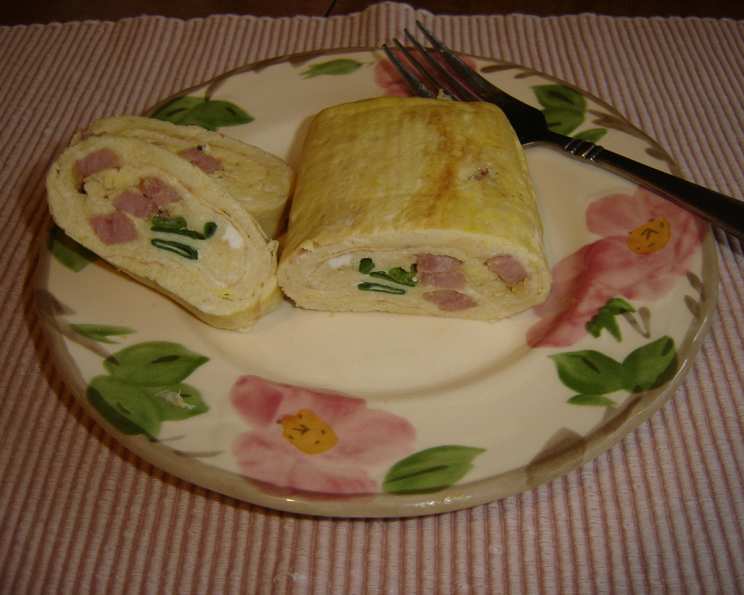
Tamagoyaki With Green Onions and Ham: A Taste of Home
The scent of tamagoyaki always transports me back to my grandmother’s kitchen. She would stand patiently by the stove, her practiced hands coaxing layer upon layer of egg into a beautiful, golden roll. I remember the quiet sizzle of the pan, the gentle rhythm of her chopsticks, and the warmth that filled the air – not just from the heat, but from her unwavering love and care poured into every single slice. It was simple comfort food, a testament to her resourcefulness, and a reminder that even the humblest ingredients could be transformed into something extraordinary.
Recipe Overview
- Prep Time: 5 minutes
- Cook Time: 3 minutes
- Total Time: 8 minutes
- Servings: 1-2
- Yields: 1 omelet
- Dietary Type: Varies (see substitutions)
Ingredients
- 3 eggs
- ½ teaspoon sugar
- ½ tablespoon soy sauce
- 2 green onions (green tops only)
- 1 slice ham, thick slice (cut lengthwise into sticks)
- Nonstick cooking spray
Equipment Needed
- Tamagoyaki pan (or small non-stick skillet)
- Mixing bowl
- Chopsticks or spatula
Instructions
- In a mixing bowl, thoroughly beat the eggs with the sugar and soy sauce until well combined. Ensure the sugar is fully dissolved.
- Lightly spray your tamagoyaki pan with non-stick cooking spray. If using a regular non-stick skillet, ensure it is also well-coated.
- Heat the pan over low heat. It’s crucial to keep the heat low to prevent the egg from browning too quickly and ensure it cooks evenly.
- Pour in approximately one-third of the beaten egg mixture, making sure it covers the entire surface of the pan.
- Once the egg starts to set slightly, and the surface is still a little wet, carefully add a few pieces of green onion and ham. If the ham or green onions are too long, trim them to fit neatly within the width of the pan.
- Begin rolling the egg. Lift the end farthest away from you with chopsticks or a spatula and gently roll it towards you.
- Add another third of the beaten egg mixture, making sure to lift the existing roll slightly to allow the fresh egg mixture to flow underneath. This will help bind the layers together.
- When this new layer of egg is slightly set, add more ham and green onions, then roll the egg again, continuing to roll the existing omelet towards you.
- Repeat these steps one last time with the remaining egg mixture, ham, and green onions. Don’t worry if you run out of ham or green onions; having them concentrated in the first few rolls is perfectly fine.
- Once the final roll is complete, cook the tamagoyaki for another minute or two, ensuring it is cooked through. You can gently press down on the roll with your chopsticks or spatula to help it cook evenly.
- Remove the tamagoyaki from the pan and slice into bite-sized pieces. Serve immediately.
Expert Tips & Tricks
- Low and Slow: The key to a perfect tamagoyaki is low heat. This prevents the egg from browning too quickly and ensures a tender, even texture.
- Even Layers: Make sure each layer of egg is thin and even. This will create a beautiful, multi-layered roll.
- Don’t Overcook: Overcooking will result in a dry, rubbery tamagoyaki. Cook until just set and still slightly moist.
- Practice Makes Perfect: Don’t be discouraged if your first attempt isn’t perfect. Tamagoyaki takes practice! With each try, you’ll get a better feel for the technique.
- Resting: For a cleaner cut and to allow the flavors to meld, let the tamagoyaki rest for a minute or two after cooking before slicing.
- Pan Care: Keep your tamagoyaki pan in good condition to prevent sticking. Avoid using metal utensils that can scratch the surface.
Serving & Storage Suggestions
Tamagoyaki is delicious served warm or at room temperature. It makes a great addition to a bento box, a quick and easy breakfast, or a light lunch. Serve it with a side of steamed rice and a sprinkle of furikake for a complete Japanese meal.
Leftover tamagoyaki can be stored in an airtight container in the refrigerator for up to 3 days. It’s best enjoyed cold or reheated gently. To reheat, you can microwave it for a short time or warm it in a pan over low heat. Reheating might slightly alter the texture, making it a bit firmer. Tamagoyaki is not recommended for freezing as it can significantly change the texture of the egg.
Nutritional Information
| Nutrient | Amount per Serving | % Daily Value |
|---|---|---|
| Calories | 237.6 kcal | N/A |
| Calories from Fat | 128 g | 54% |
| Total Fat | 14.3 g | 22% |
| Saturated Fat | 4.7 g | 23% |
| Cholesterol | 558 mg | 186% |
| Sodium | 720.6 mg | 30% |
| Total Carbohydrate | 5.9 g | 1% |
| Dietary Fiber | 0.8 g | 3% |
| Sugars | 3.5 g | 14% |
| Protein | 20.3 g | 40% |
Note: Nutritional information is an estimate and may vary based on specific ingredients and portion sizes.
Variations & Substitutions
- Vegetarian: Omit the ham and add other vegetables like spinach, mushrooms, or finely diced carrots.
- Dairy-Free: This recipe is naturally dairy-free.
- Spicy: Add a pinch of red pepper flakes or a dash of sriracha to the egg mixture for a spicy kick.
- Sweet: Increase the amount of sugar for a sweeter tamagoyaki, often enjoyed as a dessert.
- Dashi: Substitute half of the soy sauce with dashi (Japanese soup stock) for a more savory and complex flavor.
- Cheese: Add a sprinkle of shredded cheese (cheddar, mozzarella, or parmesan) to each layer for a cheesy twist.
- Protein Boost: Add cooked shrimp, crab meat, or flaked salmon for a protein-rich variation.
FAQs (Frequently Asked Questions)
Q: Can I use a regular skillet if I don’t have a tamagoyaki pan?
A: Yes, you can use a small non-stick skillet. The shape will be different, but the taste will be the same. Just roll it like a regular omelet instead of the traditional layered roll.
Q: Why is my tamagoyaki browning too quickly?
A: The heat is likely too high. Lower the heat to low and ensure you are using a non-stick pan.
Q: How do I prevent my tamagoyaki from sticking to the pan?
A: Make sure your pan is well-seasoned and properly coated with non-stick cooking spray. Keeping the heat low also helps prevent sticking.
Q: Can I make tamagoyaki ahead of time?
A: Yes, you can make tamagoyaki ahead of time and store it in the refrigerator for up to 3 days.
Q: What is the best way to cut tamagoyaki?
A: Use a sharp knife and wipe it clean between slices for neat, even cuts. Letting the tamagoyaki rest for a minute or two after cooking also makes it easier to slice.
Final Thoughts
Tamagoyaki with green onions and ham is more than just a rolled omelet; it’s a taste of comfort, a celebration of simple ingredients, and a testament to the art of Japanese cooking. I encourage you to try this recipe and discover the joy of creating this versatile dish in your own kitchen. Don’t be afraid to experiment with different fillings and seasonings to find your perfect combination. Share your creations with friends and family, and let the warmth of tamagoyaki bring a little bit of sunshine to their day. Pair it with some miso soup and pickled vegetables for a complete and satisfying meal!