
Crafting Authentic Tandoori Masala: A Journey of Flavors
The first time I truly understood the magic of Tandoori Masala wasn’t in a restaurant, but in my own kitchen, a small, cramped space filled with the aroma of roasting spices. I had haphazardly tossed a blend of spices I’d found online onto some chicken thighs, skeptical that a simple powder could create the deep, smoky flavor I associated with tandoor ovens. But as the chicken sizzled and the intoxicating fragrance filled my home, I knew I was in for something special. The result was a revelation – succulent, intensely flavorful chicken with that signature reddish hue. From that moment on, I was hooked, and Tandoori Masala became a staple in my spice rack, a shortcut to bringing the taste of India to my table.
Recipe Overview
- Prep Time: 10 minutes
- Cook Time: 0 minutes
- Total Time: 10 minutes
- Yields: Approximately 1/3 cup
- Dietary Type: Vegan, Gluten-Free
Ingredients
- 1 teaspoon garlic powder (Lasun)
- 1 teaspoon ground ginger (Adrak)
- 1 teaspoon ground cloves (Lavang)
- ½ teaspoon grated nutmeg (Jaiphal)
- 1 teaspoon mace (Javitri)
- 1 ½ tablespoons ground cumin (Jeera)
- 2 tablespoons ground coriander (Dhania)
- 1 teaspoon ground fenugreek (Methi)
- 1 teaspoon ground cinnamon (Tuj or Dalchini)
- 1 teaspoon fresh ground black pepper (Kalimirchi)
- 1 teaspoon ground brown cardamom (Elaichi)
- 1 teaspoon red food coloring (optional, for visual appeal)
Equipment Needed
- Small mixing bowl
- Fine-mesh sieve or sifter
- Airtight container for storage
Instructions
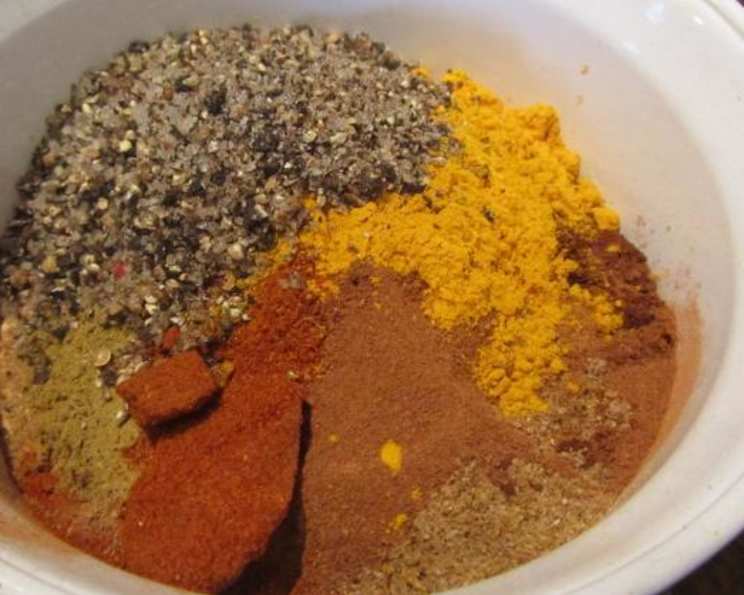
- In a small mixing bowl, combine all the ingredients: garlic powder, ground ginger, ground cloves, grated nutmeg, mace, ground cumin, ground coriander, ground fenugreek, ground cinnamon, fresh ground black pepper, ground brown cardamom, and red food coloring (if using).
- Mix thoroughly to ensure all spices are evenly distributed. There should be no clumps of any single spice.
- Push the spice mixture through a fine-mesh sieve or sifter. This step is crucial for removing any large particles or clumps, resulting in a smoother, more uniform blend that will adhere better to your food. This step also helps to ensure there is consistent flavor throughout the spice mix.
- Transfer the sifted Tandoori Masala to an airtight container. Store it in a cool, dark place to preserve its freshness and potency.
- Close the lid tightly after each use to prevent moisture and air from degrading the spices.
Expert Tips & Tricks
- Freshness is Key: Use the freshest spices possible for the most vibrant flavor. Check the expiration dates and consider grinding whole spices yourself for optimal results.
- Toast for Depth: For a deeper, more complex flavor, lightly toast the whole spices (cumin, coriander, fenugreek, cinnamon, cardamom, and black pepper) in a dry skillet over medium heat for a few minutes until fragrant, before grinding them. Be careful not to burn them. Let them cool completely before grinding and mixing with the other spices.
- Adjust the Heat: If you prefer a spicier Tandoori Masala, increase the amount of black pepper or add a pinch of cayenne pepper or chili powder.
- Color Enhancement: While red food coloring is commonly used for the characteristic vibrant red hue, you can achieve a similar effect naturally with paprika or a small amount of beet powder.
- Prevent Caking: To prevent the spice mix from clumping, especially in humid climates, add a desiccant packet (the kind found in vitamin bottles) to the storage container.
- Blooming the Spices: For a more intense flavor, bloom the Tandoori Masala in a little warm oil or yogurt before marinating your protein or vegetables. This helps to release the essential oils and enhance the flavor.
Serving & Storage Suggestions
Tandoori Masala is incredibly versatile. It’s traditionally used to marinate chicken, lamb, or paneer for tandoori dishes, but it can also be used to season roasted vegetables, lentils, or even scrambled eggs.
- Serving: For best results, marinate your protein or vegetables for at least 30 minutes, or preferably overnight, to allow the flavors to fully penetrate.
- Storage: Properly stored in an airtight container in a cool, dark place, Tandoori Masala will retain its flavor for up to 6 months. You can tell it’s losing its potency when the aroma fades. Avoid storing the spice blend near heat sources or in direct sunlight.
- Reheating: Tandoori dishes are best served fresh, but leftovers can be reheated in the oven, microwave, or skillet. Be careful not to overcook them, as they can become dry.
Nutritional Information
Note: The following values are estimates and can vary depending on specific ingredient brands and preparation methods.
| Nutrient | Amount per Serving | % Daily Value |
|---|---|---|
| Calories | 15 kcal | 1% |
| Total Fat | 0.5g | 1% |
| Saturated Fat | 0.1g | 1% |
| Cholesterol | 0mg | 0% |
| Sodium | 3mg | 0% |
| Total Carbohydrate | 2g | 1% |
| Dietary Fiber | 0.5g | 2% |
| Sugars | 0.2g | 0% |
| Protein | 0.3g | 1% |
Variations & Substitutions
- Salt-Free Version: Omit the garlic powder and add salt to taste when using the Tandoori Masala in your dishes.
- Spice Level Adjustment: Reduce or omit the black pepper for a milder flavor. Add cayenne pepper or chili powder for extra heat.
- Regional Variations: In some regions, amchur (dried mango powder) is added for a tangy flavor.
- Vegan Adaptation: This recipe is already vegan. Ensure any dishes you use it in are also vegan-friendly.
FAQs (Frequently Asked Questions)
Q: Can I use this Tandoori Masala for other meats besides chicken?
A: Absolutely! It’s fantastic on lamb, fish, shrimp, and even tofu or paneer for a vegetarian option. Adjust the marinating time based on the protein.
Q: Does the red food coloring affect the taste?
A: No, the red food coloring is purely for aesthetic purposes. It provides the characteristic vibrant red color associated with Tandoori dishes. You can omit it or use a natural alternative like paprika.
Q: How long can I store this Tandoori Masala?
A: Properly stored in an airtight container in a cool, dark place, it will last for up to 6 months. Check for aroma and flavor intensity as a guide.
Q: Can I double or triple this recipe?
A: Yes, you can easily scale this recipe up or down as needed. Just maintain the same ratios of ingredients.
Q: Can I use fresh ginger and garlic instead of powdered?
A: While you can, it’s best to stick to powdered ginger and garlic for this dry spice blend. Fresh ingredients will introduce moisture and reduce the shelf life of the mixture.
Final Thoughts
Making your own Tandoori Masala is a rewarding experience that allows you to customize the flavor to your liking and ensure the freshest, most vibrant spices. Don’t be intimidated by the list of ingredients – the process is simple, and the results are truly transformative. I encourage you to try this recipe and discover the magic of authentic Indian flavors in your own kitchen. Experiment with different ratios, adjust the heat, and most importantly, have fun! Share your creations and feedback – I’d love to hear about your Tandoori Masala adventures. Consider pairing your creations with a cooling raita or a side of fluffy naan bread for a complete and unforgettable meal.