
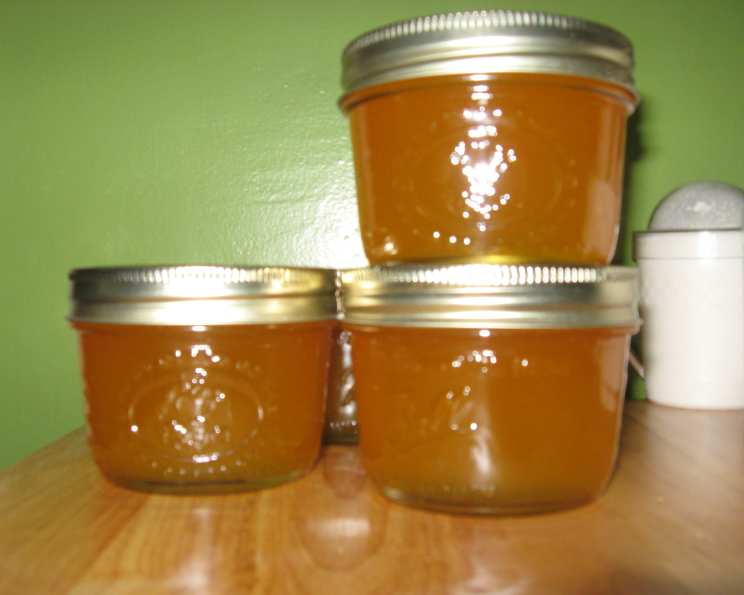
Sunshine in a Jar: Homemade Tangerine Jelly
The first time I tasted tangerine jelly, it was at my grandmother’s house. She always had a pantry brimming with homemade preserves, each jar a little jewel of summer held captive against the cold months. But the tangerine jelly was special. Its bright, citrusy flavor, so intense and joyful, instantly transported me back to sunny afternoons spent picking tangerines in her orchard. It wasn’t just a spread; it was a burst of sunshine on toast, a sweet reminder of her love and the simple pleasures of life.
Recipe Overview
- Prep Time: 30 minutes
- Cook Time: 25 minutes
- Total Time: 55 minutes
- Yields: 5 half pints
- Dietary Type: Vegetarian, Gluten-Free
Ingredients
- 6 cups chopped tangerines, pulp (around 4 pounds)
- 1 cup chopped lemon, pulp (2-3 large lemons)
- ½ cup thinly sliced tangerine peel (about 4 tangerines)
- 1 cup water
- 1 (1 ¾ ounce) package dry pectin
- 5 cups white sugar
Equipment Needed
- Large saucepan
- Damp jelly bag or cheesecloth-lined colander
- Measuring cups and spoons
- Canning jars (5 half-pint jars), sterilized
- Canning lids and rings
- Jar lifter
- Boiling water bath canner
Instructions
-
Begin by preparing your fruit. Thoroughly wash the tangerines and lemons. Chop the tangerine pulp and lemon pulp, removing any seeds. Thinly slice the tangerine peel. The thinner the peel, the less bitter the jelly will be.
-
In a large saucepan, combine the chopped tangerine pulp, chopped lemon pulp, thinly sliced tangerine peel, and water.
-
Bring the mixture to a boil over medium-high heat, then reduce the heat to low, cover the saucepan, and simmer for 10 minutes, stirring occasionally. This allows the fruit to soften and release its juices.
-
Prepare your jelly bag or a colander lined with several layers of damp cheesecloth. Place it over a large bowl. Carefully pour the cooked fruit mixture into the jelly bag or cheesecloth. Allow the juice to strain through without pressing or squeezing the fruit, as this can make the jelly cloudy. Let it drip for at least 30 minutes, or up to a few hours, until you have extracted as much clear juice as possible.
-
Measure out exactly 4 cups of the strained juice. This precise measurement is crucial for the jelly to set properly.
-
In a large, clean saucepan, combine the 4 cups of strained juice with the package of dry pectin. Stir well to ensure the pectin is fully dissolved.
-
Over high heat, bring the mixture to a full rolling boil that cannot be stirred down. This is an important step, so don’t rush it.
-
Once you’ve reached a rolling boil, quickly add the 5 cups of white sugar. Stir constantly until the sugar is completely dissolved.
-
Return the mixture to a rolling boil that cannot be stirred down. Boil hard for exactly 1 minute, stirring constantly. This precise boiling time is essential for the jelly to set correctly.
-
Remove the saucepan from the heat. Skim off any foam that has formed on the surface of the jelly using a spoon. This will result in a clearer, more appealing final product.
-
Ladle the hot jelly into your sterilized canning jars, leaving ¼ inch of headspace at the top of each jar.
-
Wipe the rims of the jars clean with a damp cloth. Place the canning lids on the jars and screw on the canning rings until they are fingertip tight.
-
Process the filled jars in a boiling water bath canner for 10 minutes. Ensure the jars are fully submerged in boiling water, with at least 1-2 inches of water covering the tops of the jars. Adjust processing time for altitude if necessary.
-
After processing, carefully remove the jars from the canner using a jar lifter and place them on a towel-lined surface to cool completely. As the jars cool, you should hear a “popping” sound as the lids seal.
-
Once the jars are completely cool, check the seals by pressing down on the center of each lid. If the lid does not flex or pop back up, the jar is properly sealed. Any unsealed jars should be refrigerated and used immediately.
Expert Tips & Tricks
- Don’t overcook the fruit pulp: Simmering it for just 10 minutes prevents excessive pectin breakdown, which can hinder the jelly from setting.
- Use a reliable jelly bag: A good-quality jelly bag or several layers of cheesecloth will ensure a clear, sediment-free juice. Avoid squeezing the bag to extract more juice, as this can make the jelly cloudy.
- Accurate measurements are key: Using the exact amount of juice and sugar specified in the recipe is crucial for achieving the correct consistency.
- Boiling point matters: Reaching a true rolling boil that can’t be stirred down is essential for the pectin to activate properly and create a firm set.
- Sterilize your jars properly: Properly sterilized jars are critical for safe canning and preventing spoilage. You can sterilize them by boiling them in water for 10 minutes or by using a dishwasher with a sterilization cycle.
Serving & Storage Suggestions
Tangerine jelly is incredibly versatile. It’s delicious spread on toast, biscuits, or scones. It also makes a wonderful glaze for baked ham or chicken. Use it as a filling for thumbprint cookies or as a sweet addition to a cheese board.
Store sealed jars of tangerine jelly in a cool, dark place for up to 1 year. Once opened, refrigerate the jelly and use it within a few weeks.
Nutritional Information
| Nutrient | Amount per Serving | % Daily Value |
|---|---|---|
| Calories | 930.5 kcal | N/A |
| Calories from Fat | 6 g | 1% |
| Total Fat | 0.8 g | 1% |
| Saturated Fat | 0.1 g | 0% |
| Cholesterol | 0 mg | 0% |
| Sodium | 25.6 mg | 1% |
| Total Carbohydrate | 240.2 g | 80% |
| Dietary Fiber | 5.1 g | 20% |
| Sugars | 224.6 g | 898% |
| Protein | 1.9 g | 3% |
Note: Nutritional information is an estimate and may vary based on specific ingredients and preparation methods.
Variations & Substitutions
- Spiced Tangerine Jelly: Add a cinnamon stick, a few cloves, or a star anise to the saucepan while simmering the fruit pulp for a warm, spiced flavor. Remove the spices before straining the juice.
- Tangerine-Ginger Jelly: Add a tablespoon of grated fresh ginger to the saucepan along with the fruit pulp for a zesty twist.
- Low-Sugar Tangerine Jelly: Use a low-sugar pectin designed for reduced-sugar recipes and adjust the amount of sugar accordingly. Be sure to follow the instructions on the pectin package.
- Citrus Medley Jelly: Combine tangerine pulp with other citrus fruits like oranges, grapefruits, or limes for a more complex flavor profile.
FAQs (Frequently Asked Questions)
Q: Why didn’t my tangerine jelly set?
A: There are several reasons why jelly might not set, including not using enough pectin, not boiling the mixture long enough, or not having the correct ratio of sugar to juice. Ensure you follow the recipe instructions carefully and use a reliable pectin brand.
Q: Can I use frozen tangerines for this recipe?
A: Yes, you can use frozen tangerines. Thaw them completely before chopping and proceeding with the recipe.
Q: How do I know if my canning jars are properly sealed?
A: After the jars have cooled completely, press down on the center of each lid. If the lid does not flex or pop back up, the jar is properly sealed.
Q: Can I make this jelly without a jelly bag?
A: Yes, you can use a colander lined with several layers of damp cheesecloth. Just be sure to let the juice drip through without pressing or squeezing the fruit, as this can make the jelly cloudy.
Q: How long does homemade tangerine jelly last?
A: Properly sealed jars of homemade tangerine jelly can last for up to 1 year when stored in a cool, dark place. Once opened, refrigerate the jelly and use it within a few weeks.
Final Thoughts
Creating homemade tangerine jelly is a simple yet rewarding experience. The vibrant flavor and beautiful color of this jelly will brighten up any breakfast table or elevate your favorite dishes. Don’t be intimidated by the canning process; with a little patience and attention to detail, you can easily create a batch of sunshine in a jar to enjoy throughout the year. I encourage you to try this recipe and share your creations with friends and family. And if you experiment with any variations, be sure to let me know – I’m always eager to hear about your culinary adventures!