
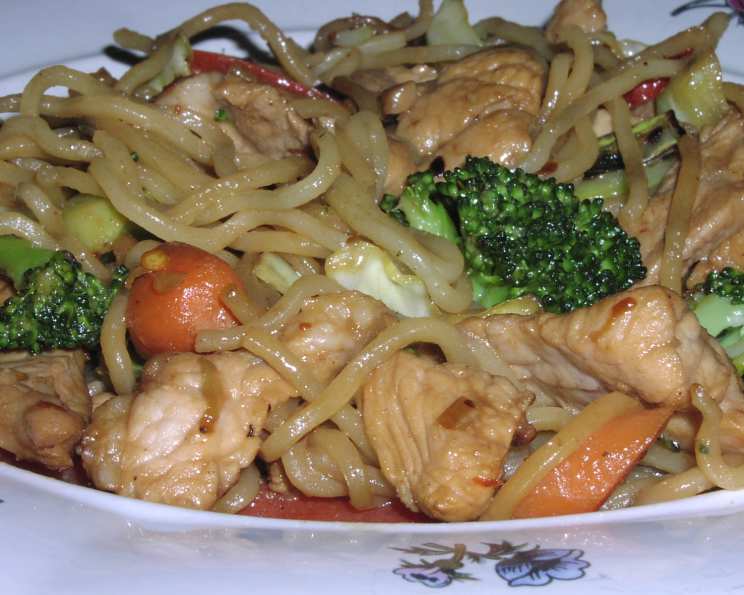
Tangy Thai Pork With Noodles: A Culinary Adventure
The first time I tasted a dish similar to this Tangy Thai Pork, it was at a bustling night market in Bangkok. The air was thick with fragrant steam, a symphony of sizzling woks and chattering vendors filled my ears, and the vibrant colors of exotic produce exploded before my eyes. It was a small, unassuming stall, but the aroma of the sweet and savory pork, mingled with the subtle heat of chili, drew me in like a moth to a flame. I remember the first bite – an explosion of flavor that danced on my tongue, a perfect balance of tangy, sweet, and umami that left me craving more. I’ve been chasing that taste ever since, and this recipe is my homage to that unforgettable experience.
Recipe Overview
- Prep Time: 20 minutes
- Cook Time: 20 minutes
- Total Time: 40 minutes
- Servings: 4
- Yield: 4 servings
- Dietary Type: Dairy-Free
Ingredients
- 1 lb boneless pork loin, cut into strips
- 2 tablespoons hoisin sauce
- 2 tablespoons soy sauce
- 2 tablespoons lemon juice
- 1 tablespoon honey
- 1 1⁄2 teaspoons cornstarch
- 1 1⁄2 teaspoons sesame oil
- 1⁄4 teaspoon crushed red pepper flakes
- 8 ounces uncooked thin spaghetti or 8 ounces rice noodles
- 2 teaspoons vegetable oil, divided use
- 4 cups broccoli florets
- 1 cup carrot, sliced 1/8 inch thick
- 1 red bell pepper, seeded and cut into thin strips
- 2 garlic cloves, minced
- 8 ounces mushrooms, sliced
- Bamboo shoots (optional)
- Water chestnuts (optional)
Equipment Needed
- Large bowl
- Large pot or saucepan
- Large nonstick skillet
Instructions
- In a large bowl, combine the hoisin sauce, soy sauce, lemon juice, honey, cornstarch, sesame oil, and crushed red pepper flakes. This is your flavorful marinade.
- Add the pork strips to the bowl and stir to ensure they are well coated with the marinade. Let the pork marinate while you prepare the pasta and vegetables. You can marinate it for as little as 15 minutes, but for a deeper flavor, you can marinate it for up to overnight in the refrigerator.
- Cook the spaghetti or rice noodles according to the package directions. Once cooked, drain the noodles thoroughly and set aside. If using spaghetti, consider adding a pinch of salt to the boiling water for enhanced flavor.
- Heat 1 teaspoon of vegetable oil in a large nonstick skillet over medium-high heat.
- Add the minced garlic to the skillet and sauté for 1-2 minutes, or until fragrant, being careful not to burn it. Burnt garlic can impart a bitter taste to the entire dish.
- Add the broccoli florets, sliced carrots, and red bell pepper to the skillet. Sauté the vegetables until they are crisp-tender, which should take about 5 minutes. You want them to retain some of their crunch, not become mushy.
- Remove the sautéed vegetables from the skillet and set aside to keep warm. A low oven (around 200°F or 95°C) works well, or simply cover them with foil.
- Add the remaining 1 teaspoon of vegetable oil to the skillet.
- Add the marinated pork to the skillet. Cook the pork until it is nicely browned and cooked through. This usually takes about 5-7 minutes, depending on the thickness of the pork strips. Ensure the internal temperature reaches 145°F (63°C) for safe consumption.
- Return the sautéed vegetables to the skillet with the cooked pork. Heat everything through, stirring gently to combine all the flavors.
- Serve the Tangy Thai Pork with Noodles over the cooked spaghetti or rice noodles.
Expert Tips & Tricks
- For an extra layer of flavor, try adding a splash of fish sauce to the vegetables while they are sautéing. Be mindful of the salt content, as fish sauce is quite potent.
- If you want to thicken the sauce, you can whisk a teaspoon of cornstarch with a tablespoon of cold water and add it to the skillet during the last minute of cooking.
- Don’t overcrowd the skillet when cooking the pork. If necessary, cook it in batches to ensure even browning. Overcrowding can lower the temperature of the pan and result in steamed, rather than browned, pork.
- To make the dish spicier, increase the amount of crushed red pepper flakes or add a finely chopped chili pepper to the vegetables.
- If you find the sauce too tangy, add a touch more honey to balance the flavors.
Serving & Storage Suggestions
Serve the Tangy Thai Pork with Noodles immediately after cooking for the best flavor and texture. Garnish with chopped fresh cilantro or green onions for added freshness and visual appeal. Leftovers can be stored in an airtight container in the refrigerator for up to 3 days. To reheat, gently warm the pork and vegetables in a skillet over medium heat, adding a splash of water or broth if needed to prevent drying out. The noodles can be reheated separately in the microwave or by briefly immersing them in boiling water. While freezing is possible, it may affect the texture of the vegetables and noodles.
Nutritional Information
| Nutrient | Amount per Serving | % Daily Value |
|---|---|---|
| Calories | 575 kcal | 29% |
| Total Fat | 20 g | 31% |
| Saturated Fat | 6 g | 28% |
| Cholesterol | 72 mg | 24% |
| Sodium | 739 mg | 31% |
| Carbohydrate | 59 g | 20% |
| Fiber | 3 g | 9% |
| Sugars | 11 g | N/A |
| Protein | 40 g | 80% |
Note: Nutritional information is an estimate and may vary based on specific ingredients and preparation methods.
Variations & Substitutions
- Vegetarian Option: Substitute the pork with tofu or tempeh. Press the tofu to remove excess water before marinating and cooking.
- Gluten-Free: Use rice noodles instead of spaghetti and tamari instead of soy sauce. Ensure the hoisin sauce is also gluten-free, as some brands contain wheat.
- Different Vegetables: Feel free to experiment with other vegetables such as snow peas, bok choy, or bean sprouts. Adjust the cooking time accordingly.
- Peanut Sauce: For a different flavor profile, replace the hoisin sauce with peanut sauce. You may need to adjust the other ingredients to balance the sweetness and saltiness.
FAQs (Frequently Asked Questions)
Q: Can I use a different cut of pork?
A: Yes, you can use pork tenderloin or even pork shoulder, but adjust the cooking time accordingly. Pork shoulder will require longer cooking to become tender.
Q: Can I make this dish ahead of time?
A: Yes, you can marinate the pork ahead of time and prepare the vegetables. Store them separately in the refrigerator and cook just before serving.
Q: How do I prevent the noodles from sticking together?
A: After draining the noodles, toss them with a little sesame oil to prevent them from sticking.
Q: What if I don’t have hoisin sauce?
A: You can substitute it with a mixture of soy sauce, brown sugar, and a touch of molasses.
Q: Can I add more spice to this dish?
A: Absolutely! Add more crushed red pepper flakes, a finely chopped chili pepper, or a dash of chili oil to increase the heat.
Final Thoughts
This Tangy Thai Pork with Noodles is a delightful dish that brings together the best of sweet, savory, and tangy flavors. It’s incredibly versatile and easy to adapt to your own preferences and available ingredients. I encourage you to try this recipe and make it your own. Don’t be afraid to experiment with different vegetables, sauces, and spices to create a dish that truly reflects your taste. And most importantly, have fun in the kitchen! This dish pairs wonderfully with a crisp, cold beer or a refreshing glass of iced tea. Share your creations and feedback – I’d love to hear how it turns out for you!